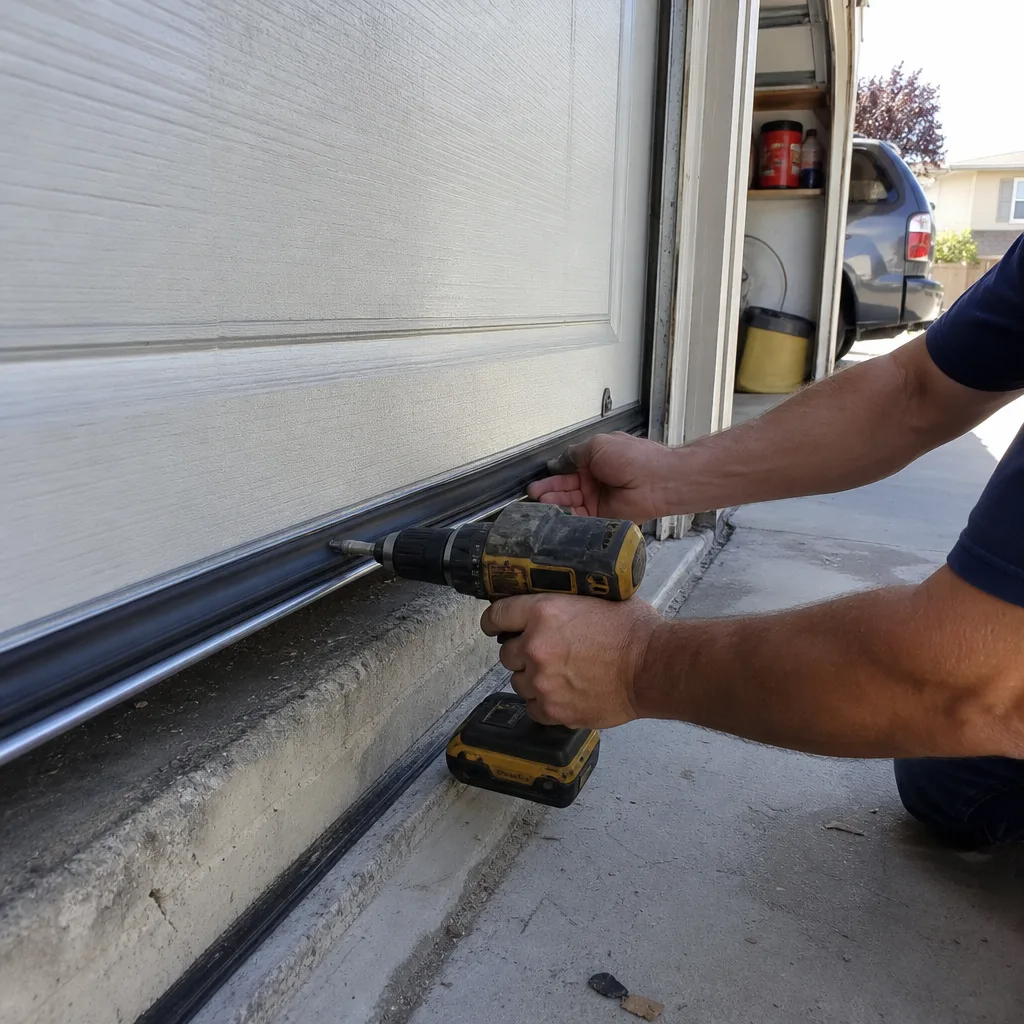
Last updated November 21, 2026
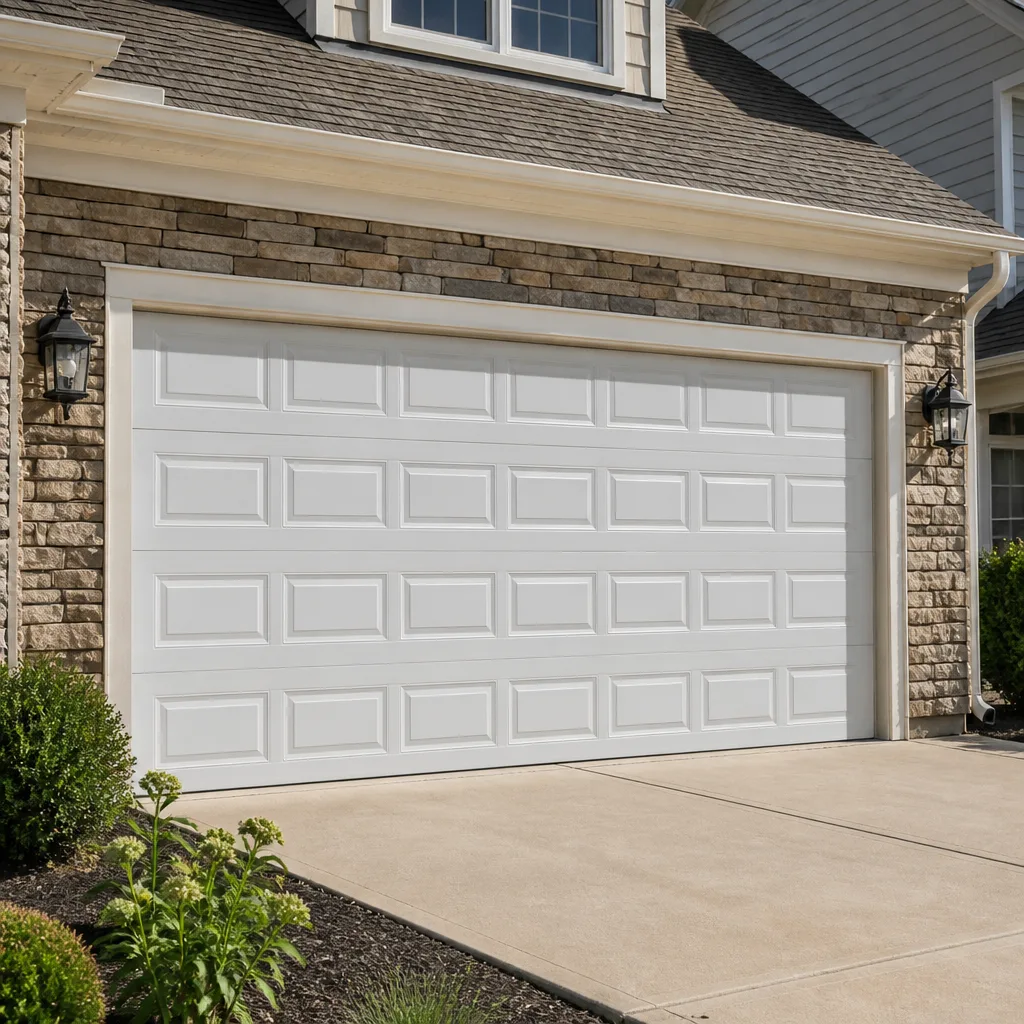 Raised-panel steel
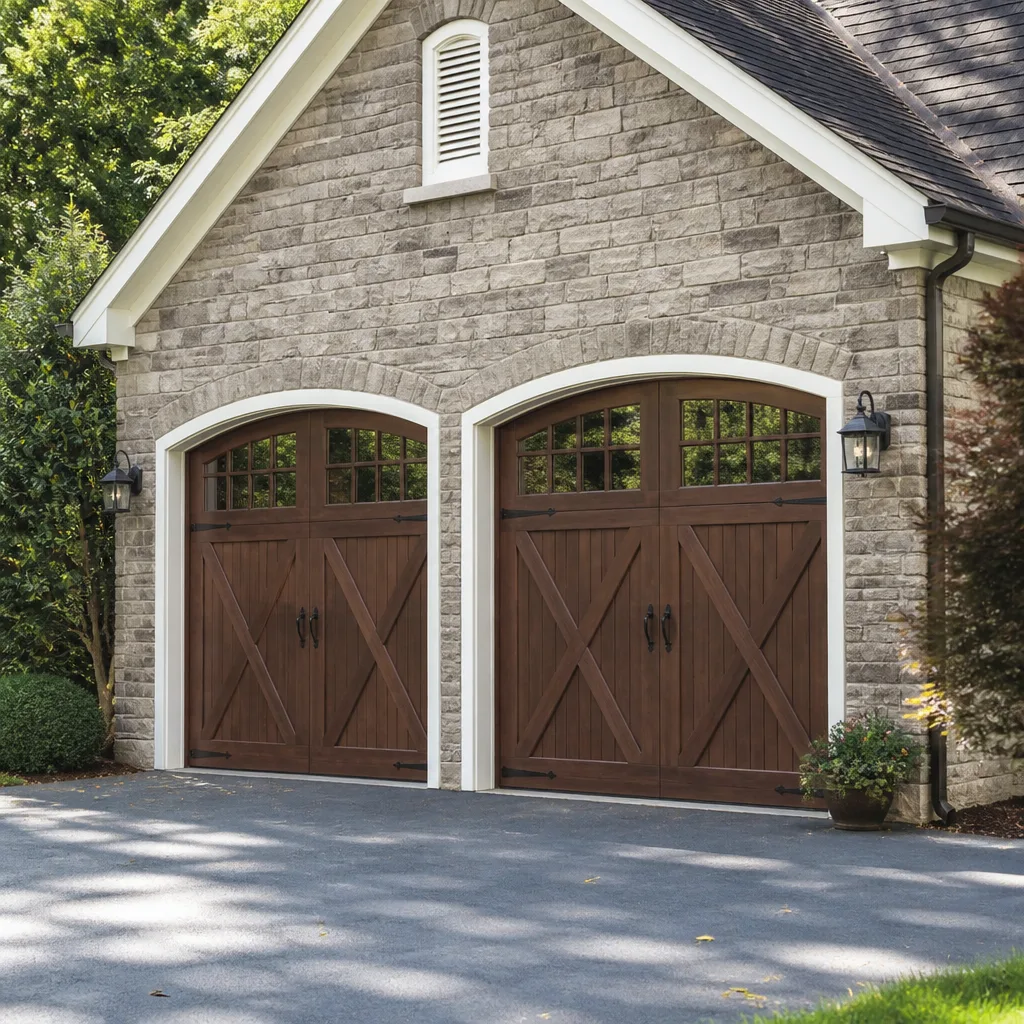 Carriage house
 Modern flush
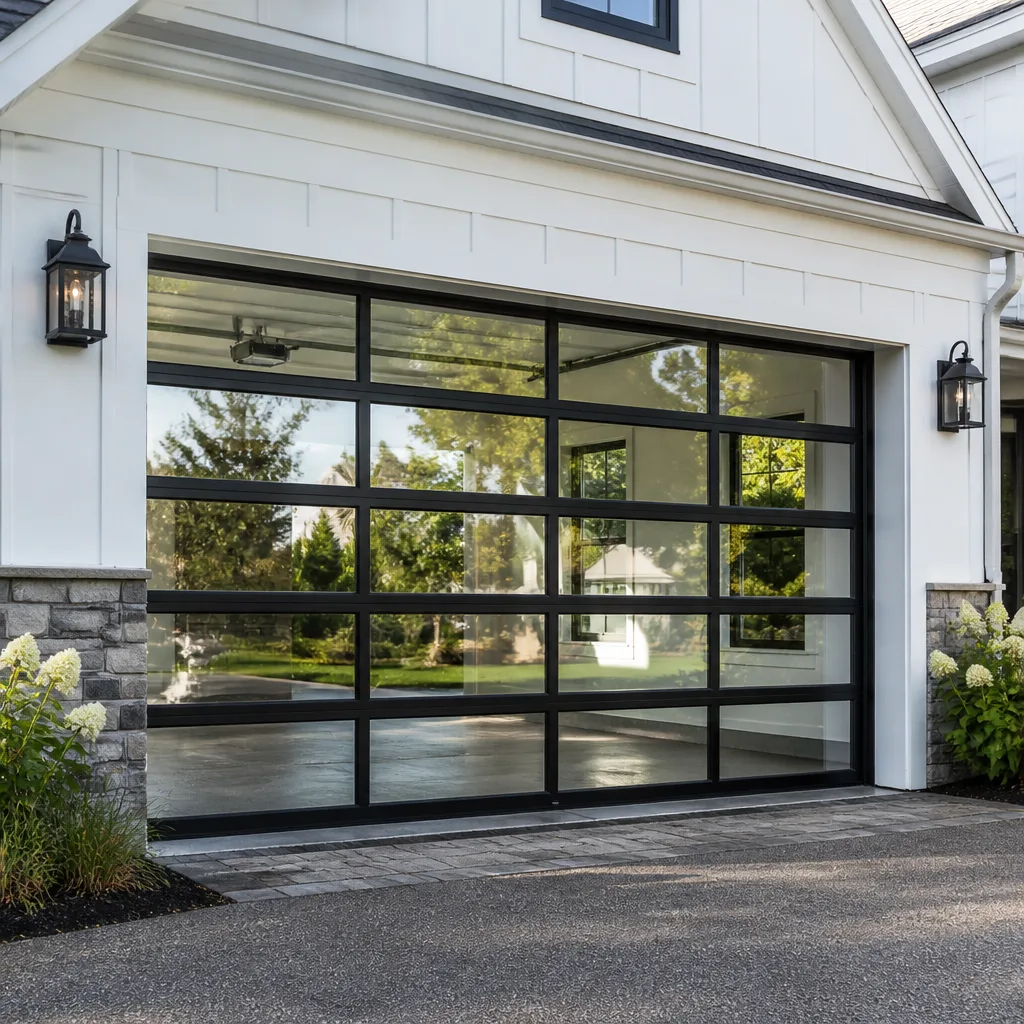 Full-view glass
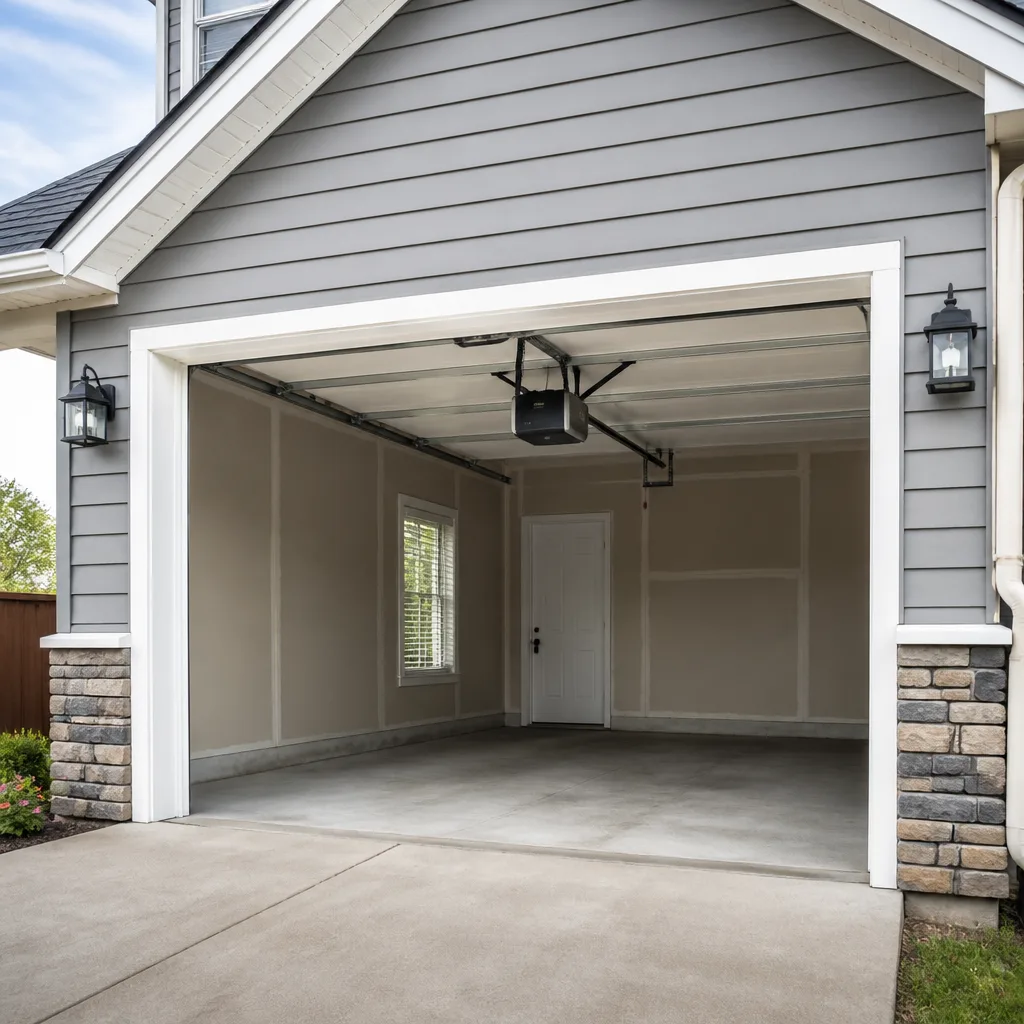 LiftMaster openers
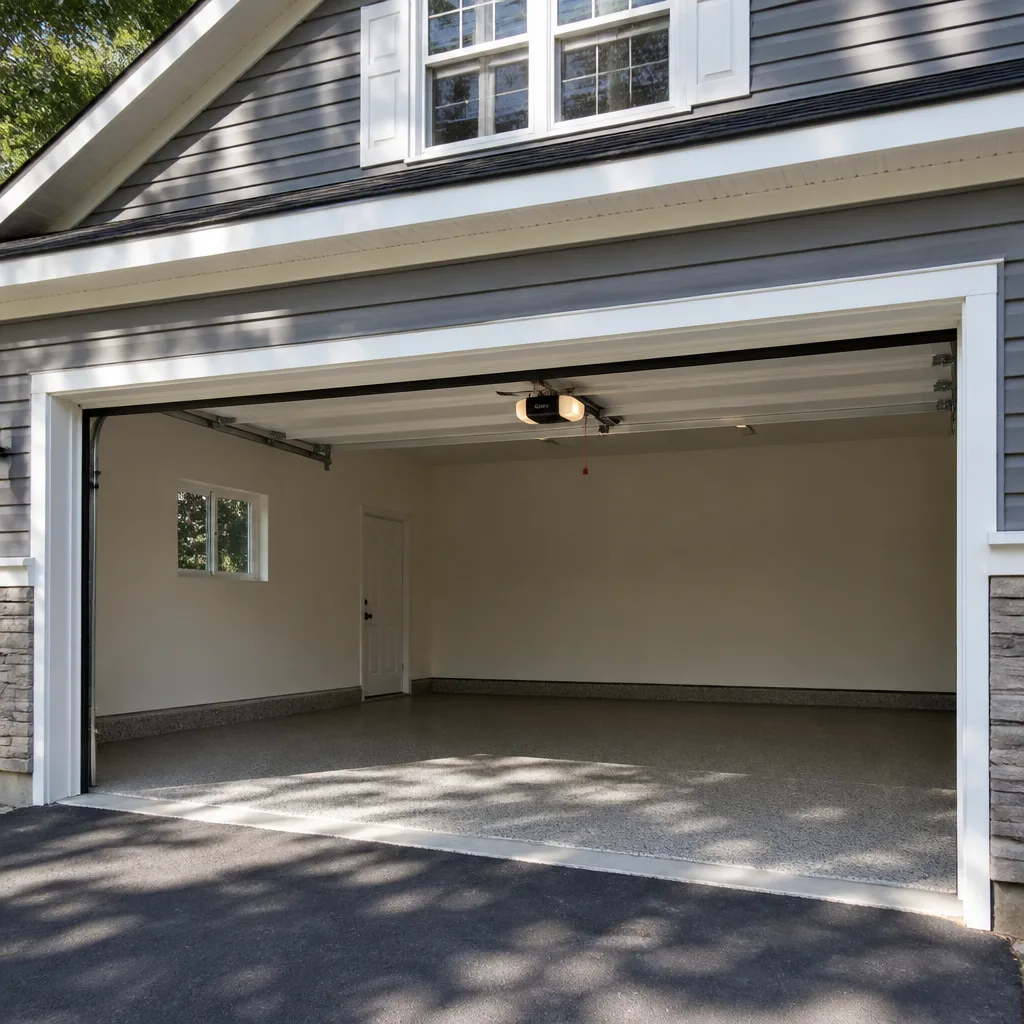 Chamberlain openers
Full 25-point door and opener safety check with every visit - springs, cables, rollers, tracks, and your LiftMaster or Chamberlain opener included
You get a price before we start. It does not change when the pro arrives.
Get your free estimateGarage Door Warning Signs: A Heather Gardens Homeowner’s Reference Guide
A grinding noise during opening isn’t a nuisance. It’s a roller bearing that’s about to seize and bend its stem into the track. Once the stem folds, that inexpensive roller becomes a track repair, and the noise you ignored was the cheap fix. The silence after was not. Most major garage door failures give you weeks of warning before they snap a spring or burn out an opener motor. In Heather Gardens, where a lot of homes run the same older door systems day after day, those warnings are easy to miss because they don’t sound urgent. This guide translates the noises, movements, and visual cues you’re hearing and seeing into the specific mechanical problem they point to, so you can fix something small before it becomes an emergency.
Quick Answer
The most common garage door warning signs are grinding or squealing (worn rollers and dry hinges), banging or popping (loose hardware or a failing spring), a door that opens unevenly (a stretched spring or slack cable on one side), and an opener that hesitates or reverses (a binding door or a strained motor). In Heather Gardens, catching these early usually means a straightforward repair instead of a snapped spring or a burned-out opener. A monthly balance test catches most of them before they fail.
Styles & brands we work with
- Raised-panel steel
- Carriage house
- Modern flush
- Full-view glass
- LiftMaster openers
- Chamberlain openers
Table of Contents
- The Noise-to-Cause Index: What Each Sound Tells You
- Visual Inspection Points That Predict a Failure
- Uneven Door Movement: Diagnosing Spring and Cable Problems
- Opener Behavior Changes and Their Mechanical Causes
- The Monthly Balance Test Every Homeowner Should Run
- Spring and Cable Warning Signs: The Dangerous Ones
- What Age and Heather Gardens Conditions Do to a Door
- Brand-Specific Cues: Opener and Door Systems Common Here
The Noise-to-Cause Index: What Each Sound Tells You
Sound is the earliest and most reliable warning a garage door gives you. Each type of noise maps to a specific component, and the mapping is consistent across the brands we work on. Here’s how we translate the four most common sounds.
Banging or popping. A sharp bang, often loudest at the start or end of travel, usually points to loose hardware: hinges working themselves free, a torsion spring winding under load, or the door slamming the floor because the travel limit is set wrong. A single loud pop from the middle of the door often means a spring has failed or is about to. Stop running the door until it’s checked.
Grinding. Grinding is friction. Usually it’s a roller bearing that has dried out or seized and is dragging its stem along the track. Left alone, a seized roller bends its stem and gouges the track. In our experience, this is the most common sound Heather Gardens homeowners describe on the phone, and it’s also the one with the cheapest fix if it’s caught in the first week or two.
Squealing or squeaking. High-pitched squealing is metal-on-metal with no lubrication: dry hinge pivots, a dry torsion spring, or nylon rollers that have worn through to their core. It’s usually the least urgent sound, but it accelerates wear on everything it touches.
Rattling. A rattle that wasn’t there before usually means something has come loose – a bolt on the opener rail, a bracket, or the door panels themselves shaking in their hinges. It can also signal worn rollers rattling in the track. Rattling is a good sign the door’s hardware needs a tightening pass.
None of these sounds means a door is about to fall, but each one is telling you something is wearing. Call (833) 958-8653 and describe the sound, and we can usually tell you which part is involved before we arrive.
Visual Inspection Points That Predict a Failure
You don’t need tools to spot most failures coming. A two-minute look at four areas once a month catches the problems that turn into emergency calls. Here’s what to look for, in order of importance.
- Springs. Look at the torsion spring above the door or the extension springs along the sides. Surface rust is normal; a spring with a visible gap, a stretched or “unwound” look, or rust eating into the wire is on its way out. Any spring that looks deformed should be evaluated by a trained technician.
- Cables. The lift cables run down each side of the door. Frayed strands, a kink, or a cable that has jumped off its drum are all red flags. A frayed cable can fail without warning, and when it does the door can drop or twist.
- Rollers. With the door down, look at the rollers in the track. A roller that’s flat on one side, cracked, or wobbling in its bracket is worn. Nylon rollers that have gone gray and gritty are near the end of their life.
- Hardware and panels. Look for loose bolts, bent hinges, and any panel that’s cracked or separating from the frame. Panels that flex independently of the rest mean the door is strained.
In Heather Gardens, our dry air and big temperature swings between seasons work hardware loose faster than in a stable climate, so a monthly look is worth the two minutes. Catching a frayed cable or a worn roller early is what turns a repair into a routine service call instead of a snap. If you’d rather have a technician go through it, our Garage Door Repair Heather Gardens service starts with a full inspection.
Uneven Door Movement: Diagnosing Spring and Cable Problems
A door that opens with one side trailing the other is diagnosing itself for you. The two sides of a garage door are counterbalanced separately, and a lopsided door means one side has lost lift. Here’s how the pattern points to the cause.
One side consistently lower, and the gap doesn’t close as it rises. On a door with two torsion springs, one spring has stretched or broken while the other is still carrying its load. On a door with extension springs, one spring has lost tension or snapped. Either way, the door is being lifted unevenly, which twists the panels and strains the tracks.
One side lags but catches up, with a jerk. That’s usually a cable that has slipped partway off its drum or gone slack. The cable isn’t under even tension, so the door surges on that side. A slack cable is dangerous: it can suddenly snap tight or allow the door to drop.
The whole door droops at the top, both sides even. This points less to a spring and more to a bent track, a worn hinge, or a door that’s out of balance overall. The monthly balance test below will confirm it.
An uneven door is not just an annoyance. Running a lopsided door repeatedly bends panels and wears tracks, turning a spring or cable fix into a much bigger structural repair. If your door in Heather Gardens is moving unevenly, stop using the opener and call (833) 958-8653. Spring and cable work is the highest-risk job in this trade, and it’s handled as a core service by our technicians rather than passed to a generalist.
Opener Behavior Changes and Their Mechanical Causes
An opener that starts acting differently is usually reporting a problem in the door, not the motor. Before you replace an opener, it pays to know which behaviors point where. We work on garage door opener repair for Chamberlain, LiftMaster, Genie, and Craftsman systems, and these are the patterns we see most.
- Hesitation at the start. The opener pauses, then moves. This often means the door is binding – a worn roller, a misaligned track, or a spring that’s lost some lift – and the motor is straining against resistance. The opener isn’t failing; the door is.
- Reversal or stopping mid-travel. A door that reverses partway up or down is often hitting a safety sensor problem or a force-limit setting that’s been tripped by added resistance. Sometimes a hinge or roller has come loose and is catching the track.
- Slower movement than before. A door that’s getting slower is usually telling you the springs have weakened and the motor is lifting more of the weight than it should. Left alone, the motor burns out faster and the springs keep losing lift.
- Clicking without movement, or grinding from the motor. This points inward to the opener itself – a stripped gear or a failing drive. That’s when brand-specific parts matter, and it’s where having the right part on the first visit saves a return trip.
The pitfall in Heather Gardens is replacing a perfectly good opener when the real problem is a worn door. We diagnose the door first, and we know what’s wrong before we guess. If your opener is behaving differently, a quick call to (833) 958-8653 can separate an opener repair from a door repair.
The Monthly Balance Test Every Homeowner Should Run
This is the single most useful thing a homeowner can do to catch balance problems before they become failures. It takes under a minute and reveals whether your springs are still doing their job.
- Close the door fully and pull the opener’s manual release cord so the door disconnects from the motor. The door should stay shut.
- Lift the door by hand about halfway – roughly waist height – and let go. Don’t force it.
- A balanced door holds its position, maybe drifting a few inches. If it slides down on its own, the springs have weakened and the opener has been carrying weight it shouldn’t. If it flies up on its own, the springs are over-tensioned or a spring has failed.
- Reconnect the opener by re-engaging the release, then run the door up and down once to confirm it’s working normally.
Run this test once a month, and also any time you hear a new noise or the door feels heavier than usual. A door that won’t hold its position is on a path to a spring failure, and springs fail suddenly. For Heather Gardens homeowners, this test is the difference between booking a planned spring repair and calling after a door won’t open at all. If the test shows your door won’t hold, don’t keep cycling it – call (833) 958-8653 and we’ll advise you from there.
Spring and Cable Warning Signs: The Dangerous Ones
Springs and cables are the parts of a garage door that can hurt you, so they deserve their own section. A torsion spring holds a large amount of stored tension, and a cable under load can snap tight without warning. Neither is a part to inspect by hand or attempt yourself. This is where safety matters most.
What to watch for without touching anything:
- A visible gap or separation in a torsion spring, or an extension spring stretched out of shape.
- A cable with frayed strands, a kink, or one that has slipped off its drum at the top corner of the door.
- Rust that has eaten into the wire of a spring, not just the surface.
- A single loud pop from the door, followed by the door feeling very heavy or not opening at all.
If you see any of these, stop using the door and keep clear of the springs and cables. Don’t try to wind, adjust, or remove a spring yourself; the stored energy can release without warning. A trained technician has the winding bars and the procedure to do it safely. In Heather Gardens, spring repair is one of our core services, and it’s the job we most often see left too long because a homeowner hoped it would hold. It won’t. Call (833) 958-8653 and we’ll get a technician out to evaluate it.
For the rest of the door – rollers, hinges, tracks, and opener issues – our broader garage door repair covers the full range, so one call can address whatever the inspection turns up.
What Age and Heather Gardens Conditions Do to a Door
The warning signs above apply to any door, but the pace at which they show up depends on the local climate and the door’s age. Heather Gardens has a particular profile that shapes which failures come first.
The dry air works against lubrication. Hinge pivots and rollers that would stay greasy in a humid climate dry out here, which is why squealing and grinding are among the first sounds homeowners notice. Big swings between hot summers and cold winters also expand and contract the metal, loosening bolts and stressing springs. A door that was quiet in June can start rattling by fall.
On the door side, panels and hardware on older doors tend to wear faster than opener electronics. We see a lot of doors in Heather Gardens where the opener is fine but the rollers, hinges, and springs have taken the years. That’s good news for the wallet: fixing the door is usually simpler than replacing the motor. Knowing which part is actually aging is the whole point of paying attention to the warning signs. Our technicians have up to 15 years of experience reading exactly this – which component has worn and which is still sound – so you’re not replacing parts that don’t need it.
Brand-Specific Cues: Opener and Door Systems Common Here
The warning signs are universal, but the parts and the fix depend on the brand. That’s why we work on the systems most homes here actually run, across eight major brands including Chamberlain, Genie, Clopay, and Amarr. Here’s how brand plays into the diagnoses above.
On the opener side, Chamberlain and Genie systems make up a large share of the residential garages we see. When a Chamberlain or Genie opener shows the hesitation and reversal patterns described earlier, the diagnosis often lies in the door’s resistance or a sensor, not the opener. Knowing the specific model’s behavior tells us which to check first, so we’re not guessing.
On the door side, Clopay and Amarr panels and hardware have their own wear patterns. Hinge styles, roller types, and spring setups vary by manufacturer, and the right replacement part has to match. That’s why parts availability matters as its own service: when a technician arrives knowing the door brand, the right part is more likely to be on hand, which cuts return visits and job delays.
One call covers repair and, when it’s time, replacement. If the door has reached the point where repair no longer pays, our garage door installation handles new doors, replacements, and upgrades, and we can walk you through the options. For many Heather Gardens homeowners, though, the warning signs in this guide mean a repair, not a replacement – and catching them early usually keeps it that way.
Common Mistakes to Avoid
- Ignoring a new noise for weeks. A grinding roller turns into a bent track if you let it drag, and a squeal that signals a dry hinge becomes a worn one. The noise is a signal, and the fix gets bigger the longer you wait.
- Replacing the opener when the door is the problem. A strained opener is often reporting weak springs or a binding door. Swapping the motor won’t fix a heavy door and may just burn out the new one too.
- Trying to adjust or remove springs yourself. Torsion springs store a lot of energy and can release without warning. This is the one job in this trade that belongs to a trained technician, full stop.
- Never running the balance test. Most Heather Gardens homeowners never check whether the door holds its position, which is why spring failures arrive as surprises. A monthly test catches them early.
- Assuming the color means the part is fine. A cable with a couple of frayed strands still looks mostly intact. Look closely at the cables and springs, not just the door face.
- Booking a generalist for a spring or opener job. The right part and the right diagnosis come from someone who works on garage doors day in and day out. A handyman learning on the job usually costs more in the end.
- Waiting for the door to fail completely. A door that won’t close leaves the house open. In Heather Gardens, that’s a call you’d rather make on your terms, before it’s an emergency.
See the difference
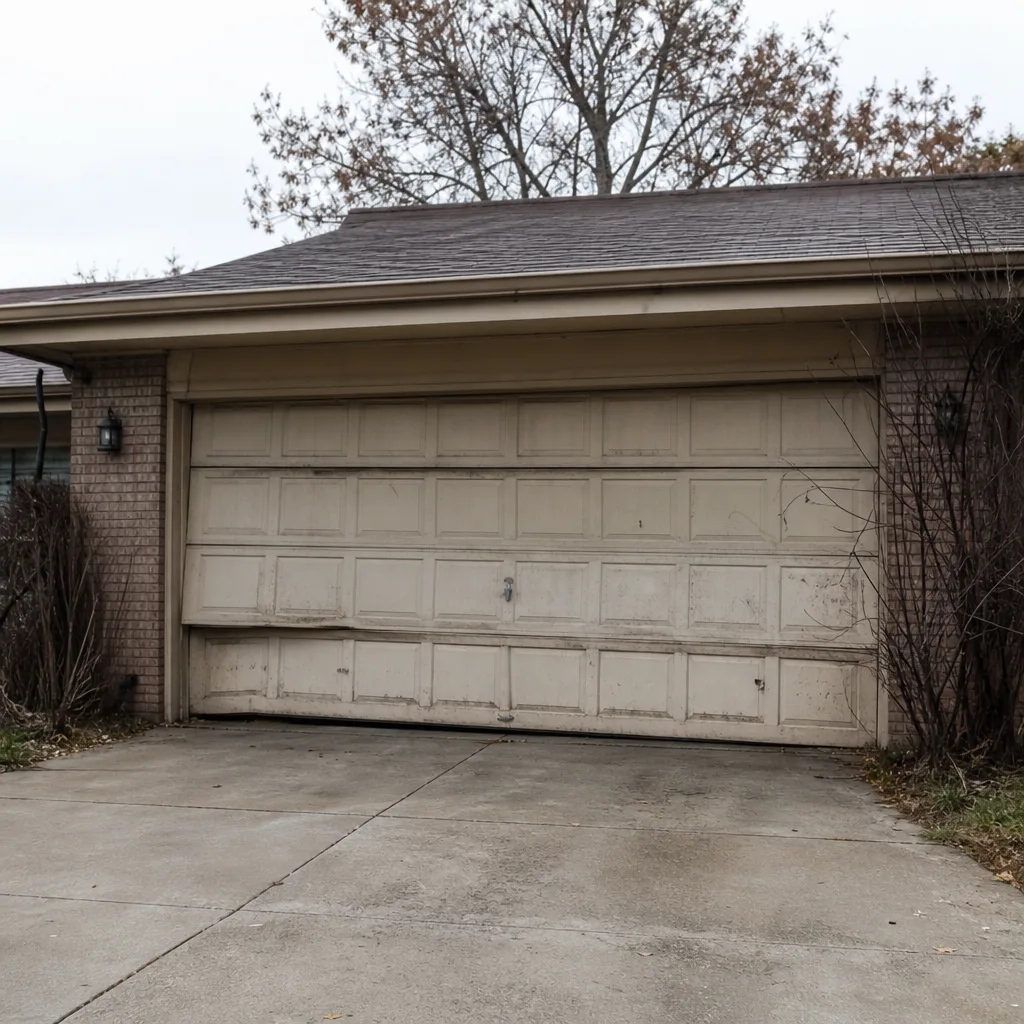 Before
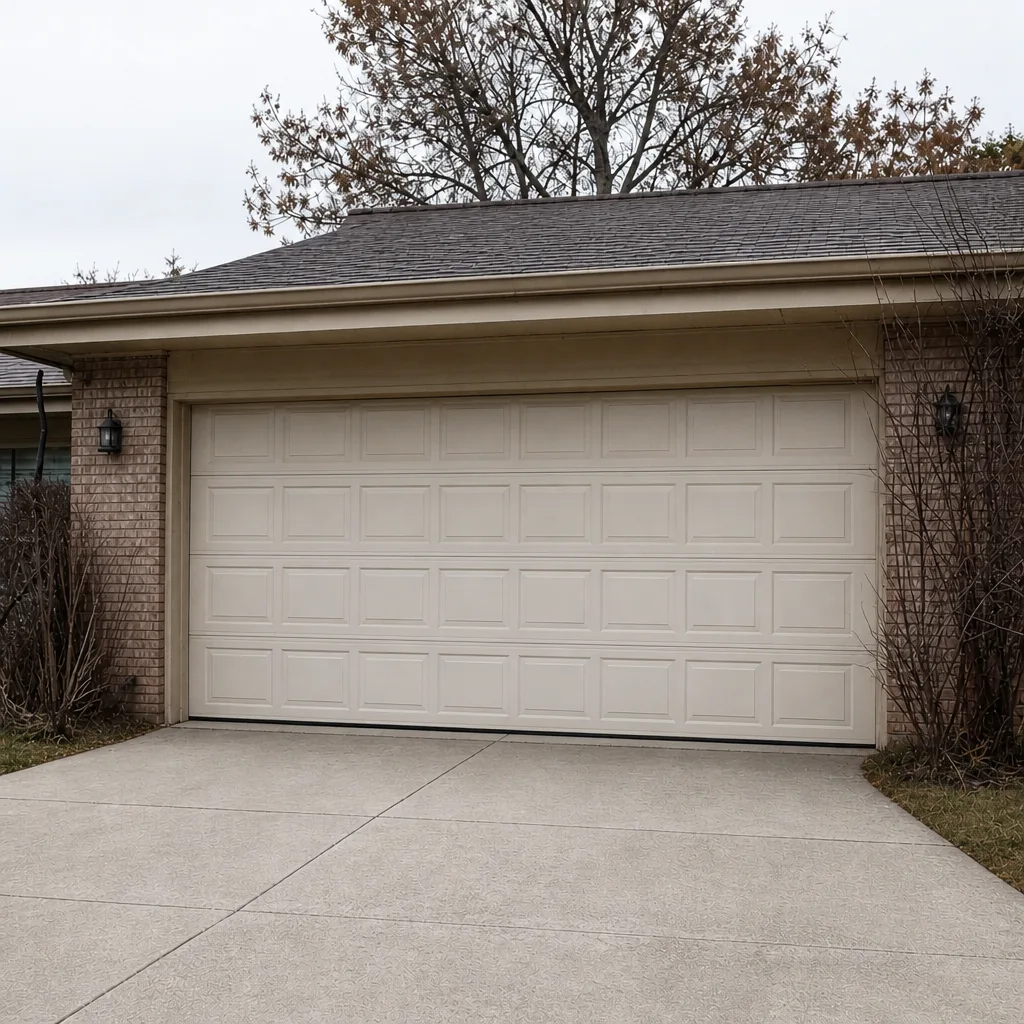 After
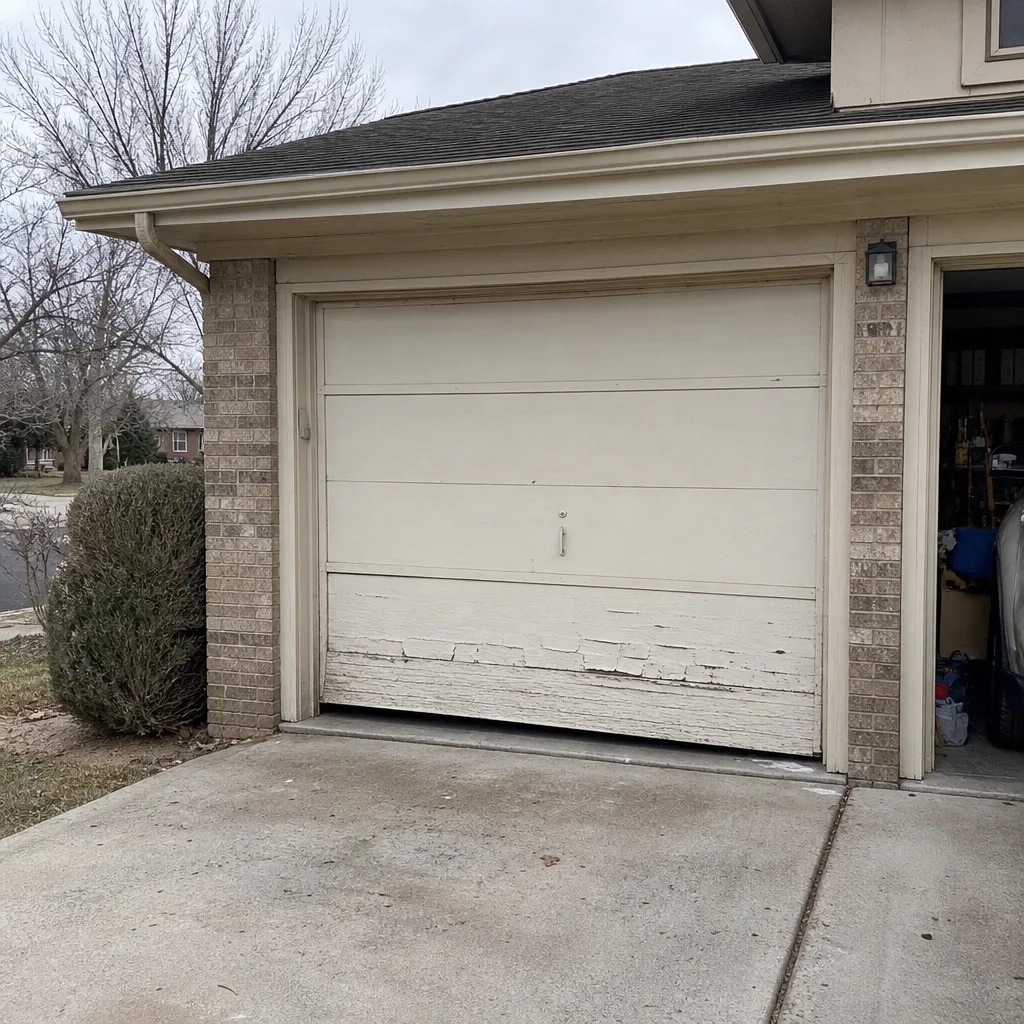 Before
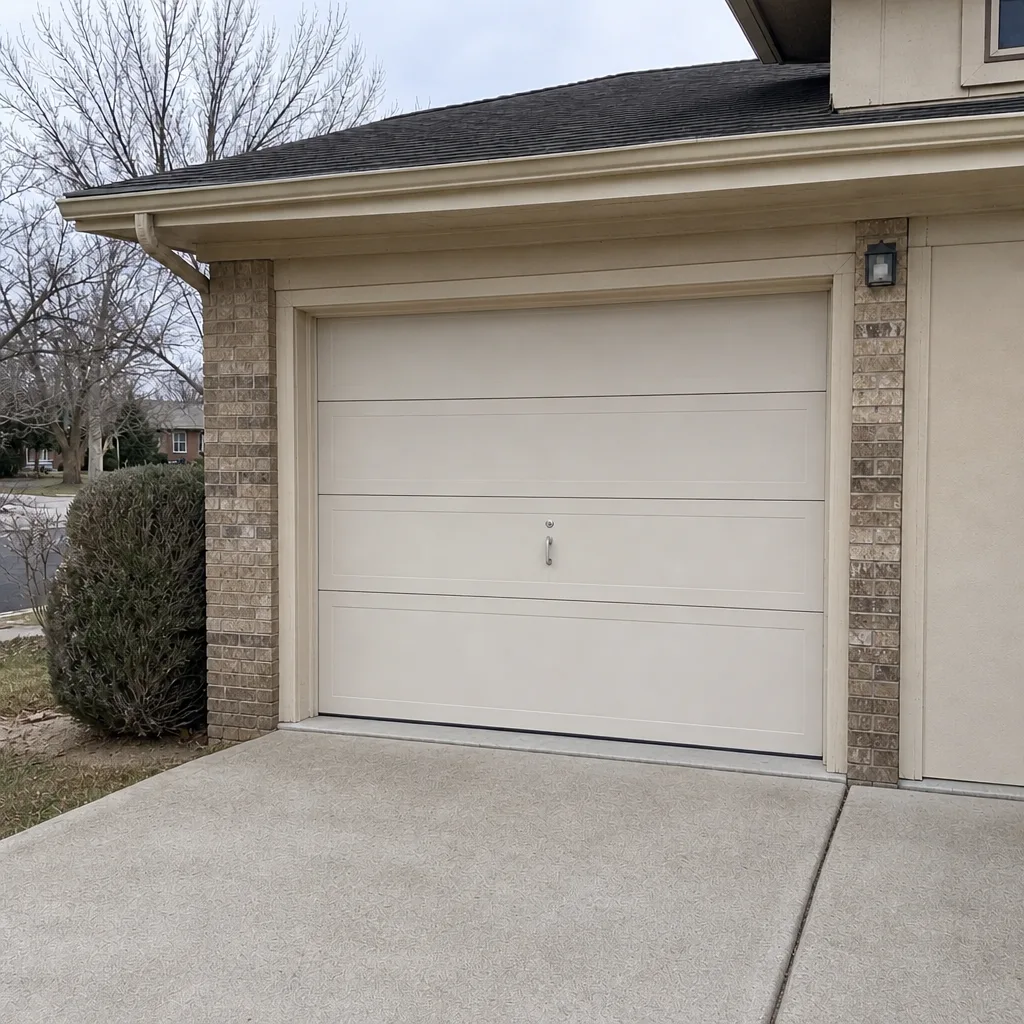 After
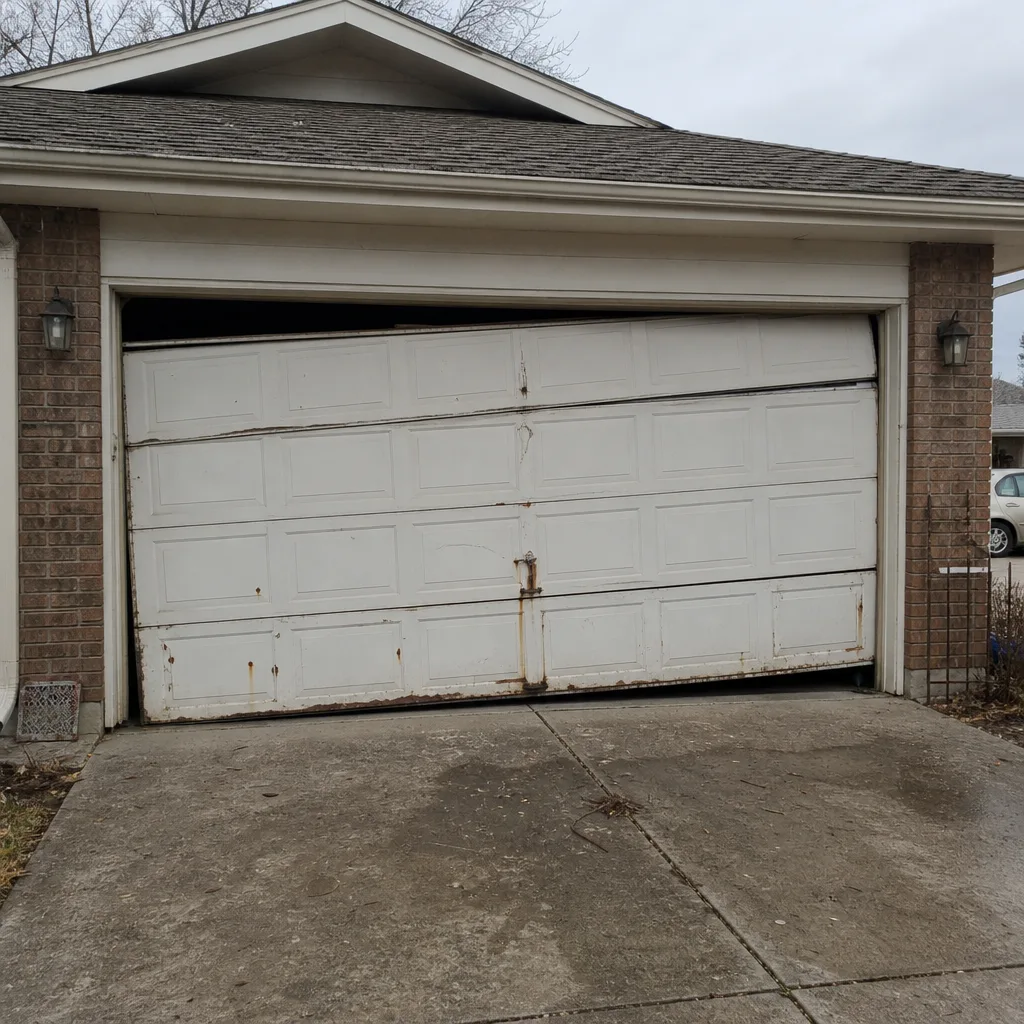 Before
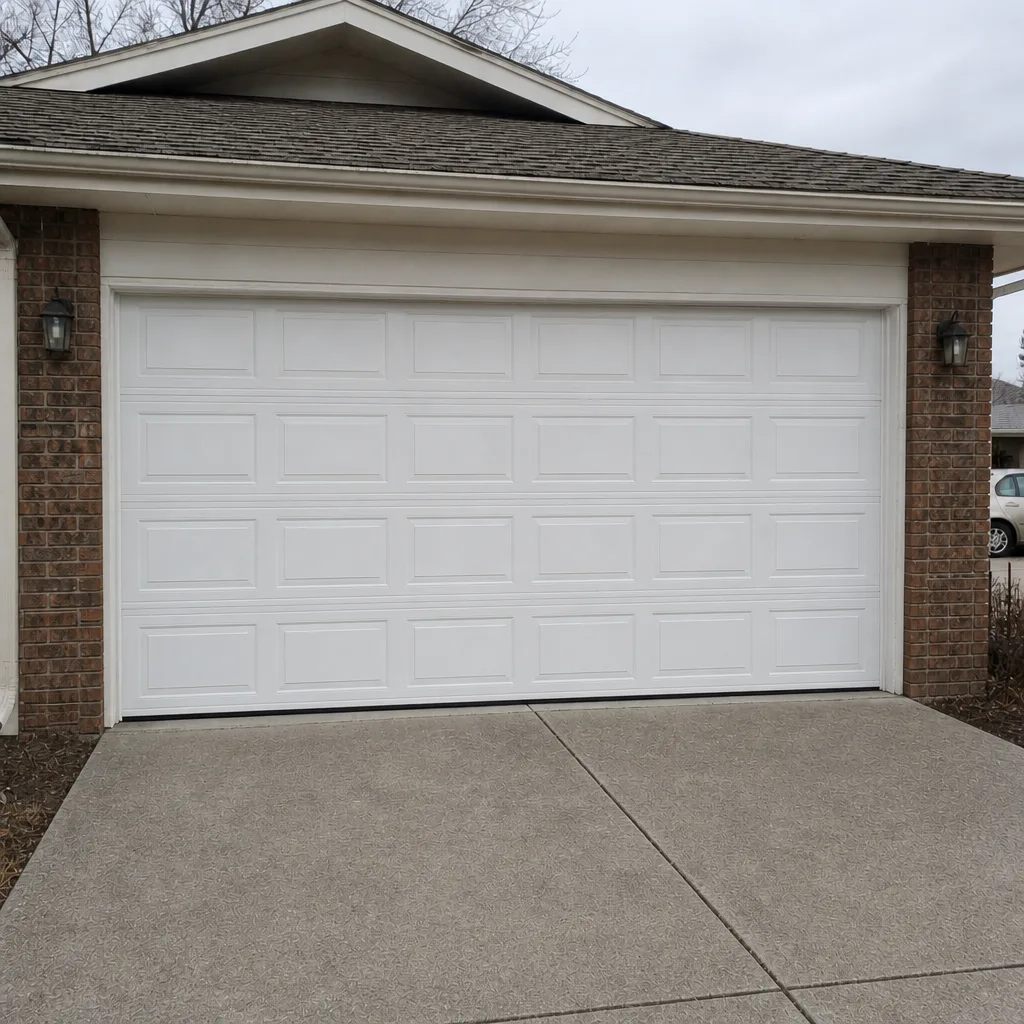 After
When to Call a Professional
Some warning signs you can watch. Others need a call now. Call a professional if you hear a loud pop followed by the door feeling heavy, if a cable looks frayed or has slipped off its drum, if the door moves visibly unevenly, or if the door won’t hold its position during the balance test. Those point to springs or cables, which are the highest-risk parts to handle. A grinding noise that’s new, an opener that hesitates or reverses, and any door panel that’s cracking are also worth a call, though they’re usually less urgent. Garage Door Repair Heather Gardens offers free estimates in Heather Gardens – call (833) 958-8653 to schedule an evaluation. Our technicians have up to 15 years of experience diagnosing exactly these problems, and the price is agreed with you before any work starts. If the door just needs the right part, we can make the right fix the first time.
Frequently Asked Questions
The most common warning signs are grinding and squealing (worn rollers and dry hinges), banging or popping (loose hardware or a failing spring), a door that opens unevenly (a stretched spring or slack cable), and an opener that hesitates or reverses (a binding door). Catch these early and most become routine repairs. Call (833) 958-8653 if you’re not sure which one you’re hearing.
A spring that’s about to fail usually shows a visible gap or a deformed, stretched shape, or rust that’s eaten into the wire, and the door may no longer hold its position in the balance test. Since springs fail suddenly, any of those signs means stopping use and calling a technician. In Heather Gardens, dry air and temperature swings wear springs faster, so check them monthly. Call (833) 958-8653 – estimates are free.
Grinding is often a worn or seized roller dragging in the track, which is an inexpensive fix if caught early but can bend the track if left. It can also come from dry hinges or a strained bearing. Left to run, a seized roller takes a small repair and turns it into a bigger one. Call (833) 958-8653 to tell us the sound and get a quote.
An uneven door usually means one side has lost lift – a stretched or failed spring on one side, or a cable that’s slipped or gone slack. The two sides of the door are counterbalanced separately, so this pattern points straight at springs or cables. It’s a sign to stop using the door and call (833) 958-8653, since these are the dangerous parts to leave running.
The written estimate sets the price, and the agreed price is quoted before any work starts. A diagnosis may reveal a different part than the sound suggested, but you’ll know the cost before we proceed. Call (833) 958-8653 for a free estimate.
Yes. We work across eight major brands, including Chamberlain and Genie openers and Clopay and Amarr doors, which covers the systems found in most Heather Gardens garages. Knowing the brand means we can carry the right part and diagnose the right component faster. Call (833) 958-8653 to tell us your brand and the symptom.
The Bottom Line
Garage door failures rarely arrive without warning. A new noise, a slight droop, a hesitation from the opener – each one points to a specific part and a specific repair, and catching it early is almost always cheaper than waiting. In Heather Gardens, the dry air and temperature swings make a monthly look at springs, cables, rollers, and hardware worth the two minutes. Run the balance test, watch for the sounds and patterns in this guide, and handle springs and cables by calling a trained technician rather than a handyman. We work on the systems Heather Gardens homes run, and we know what’s wrong before we guess.
If anything in this reference guide matches what you’re seeing or hearing, call Garage Door Repair Heather Gardens at (833) 958-8653 for a free estimate. Estimates are free, the price is agreed before any work starts, and one call covers repair, opener troubleshooting, parts, and installation. Our technicians have up to 15 years of experience, so you’re getting a diagnosis, not a guess.
Written by the team at Garage Door Repair Heather Gardens.