Last updated November 21, 2026
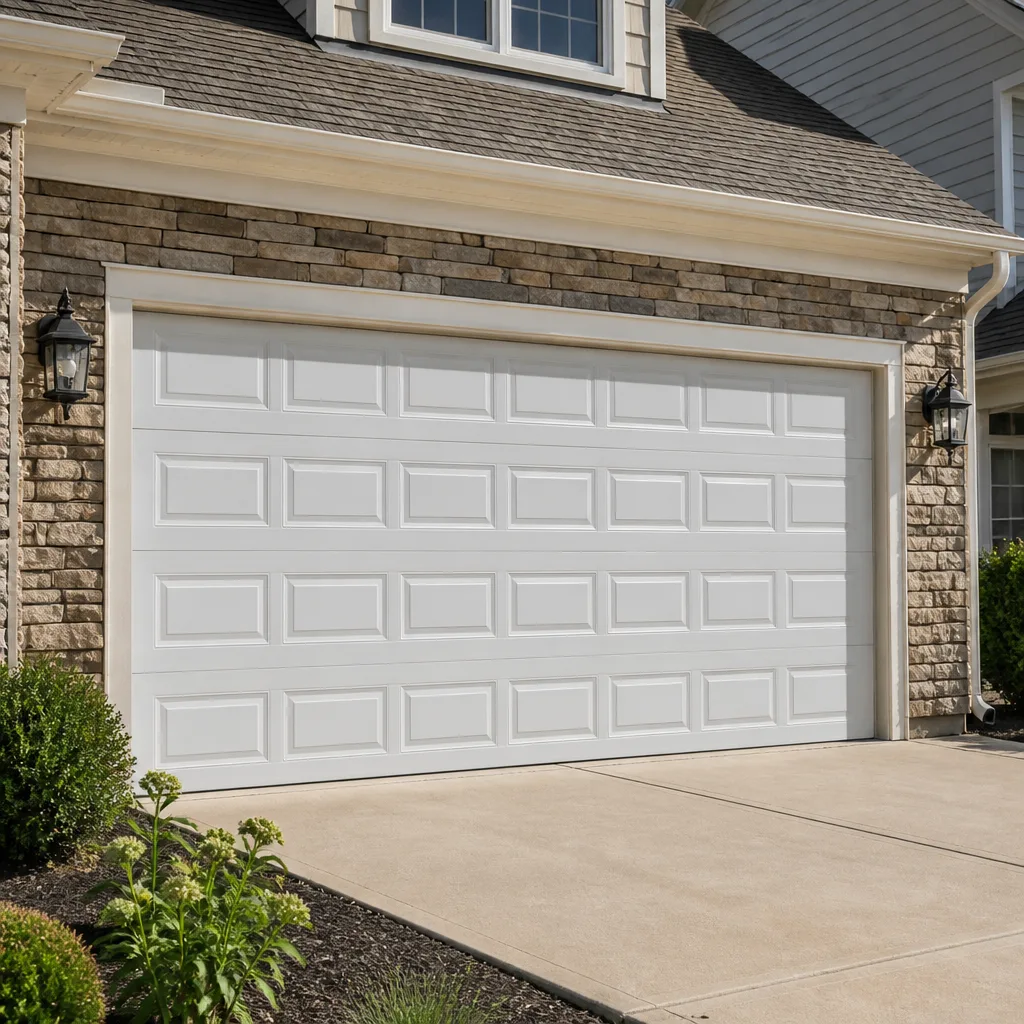 Raised-panel steel
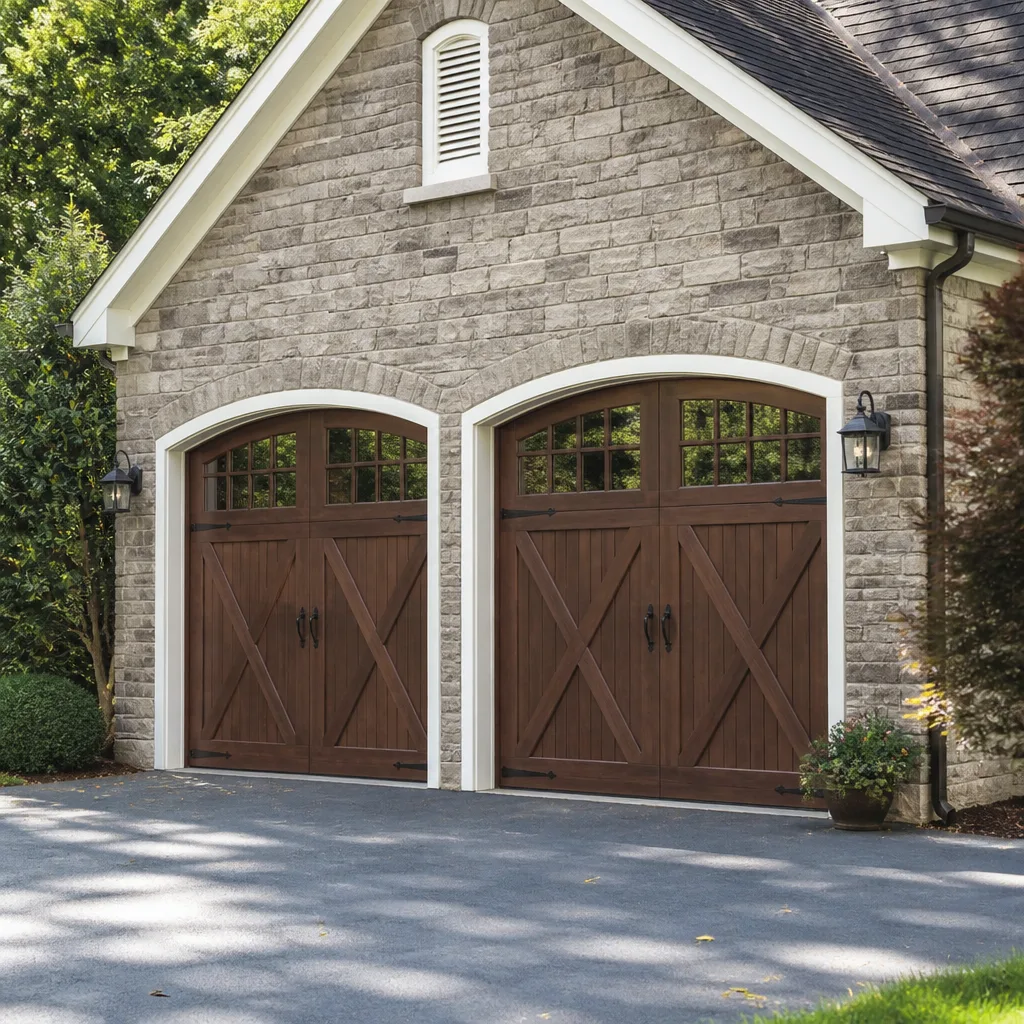 Carriage house
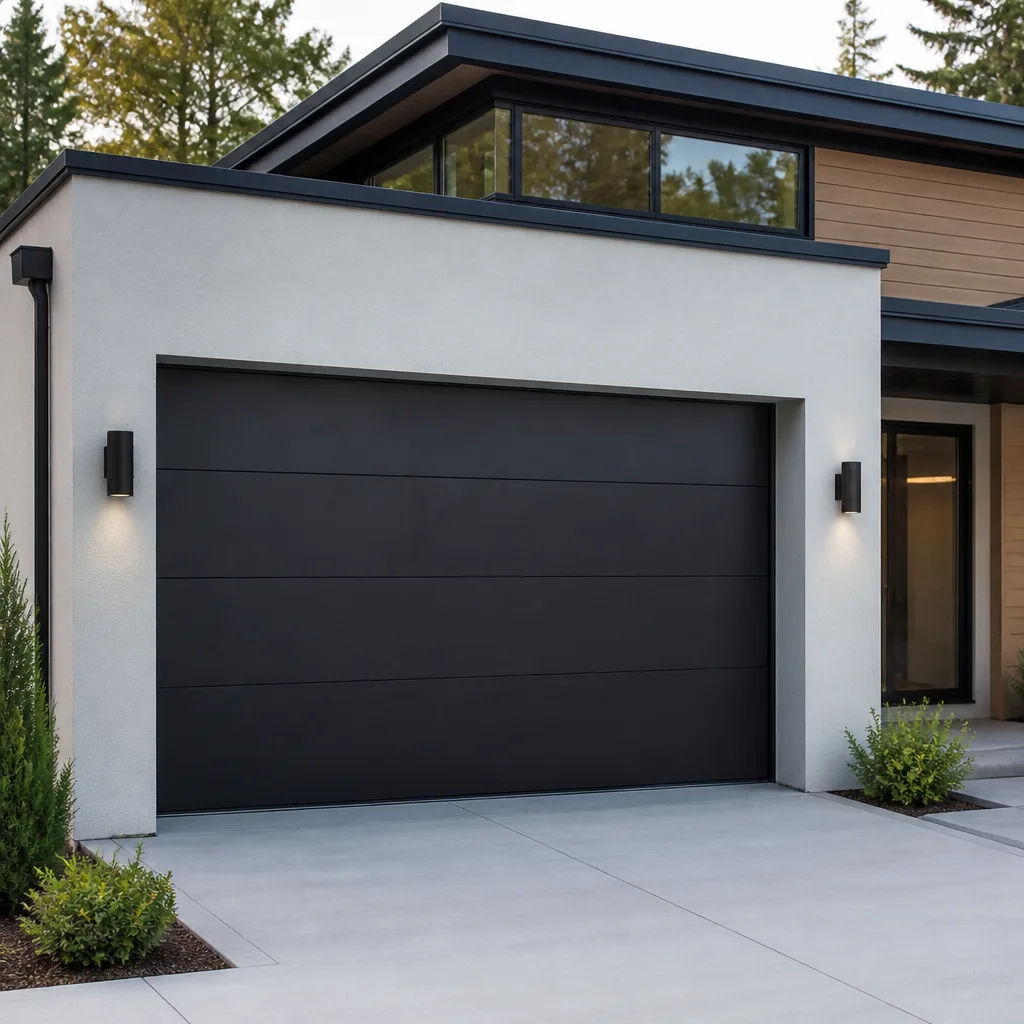 Modern flush
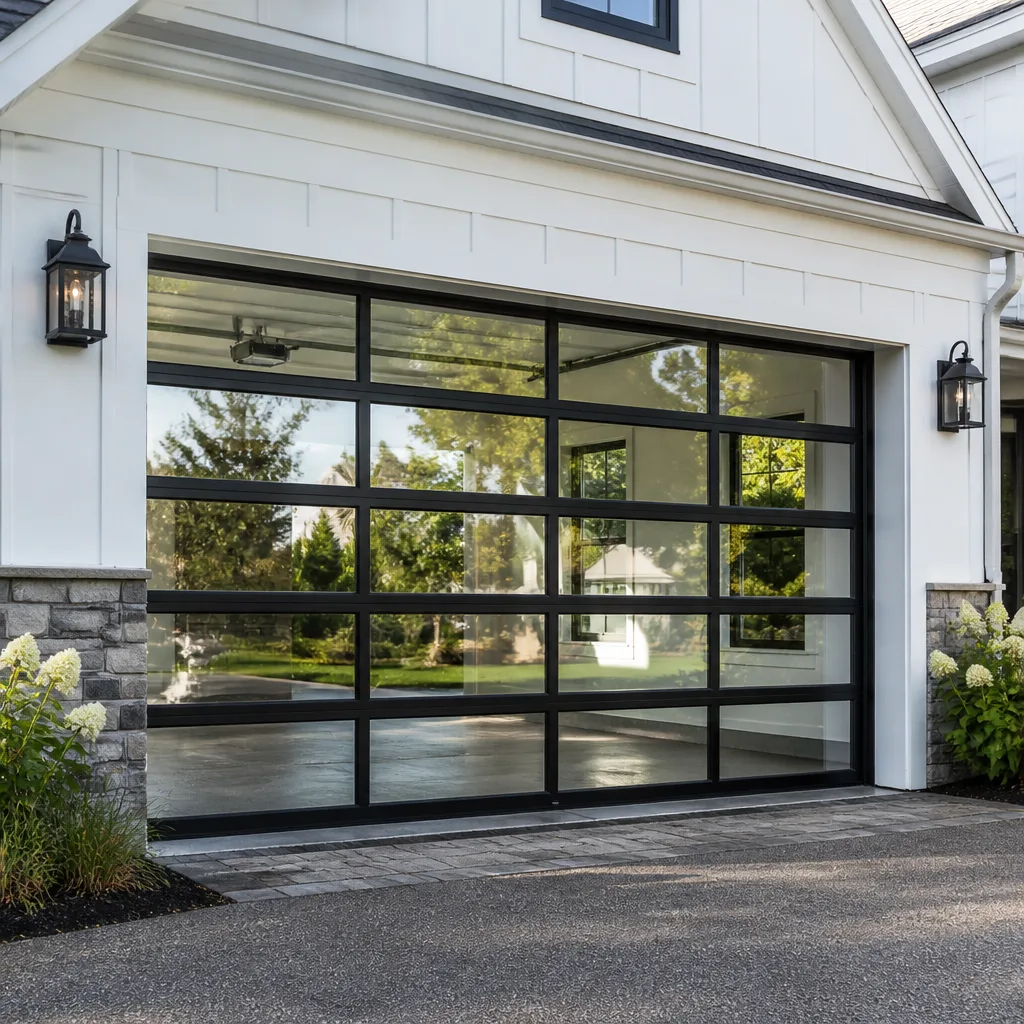 Full-view glass
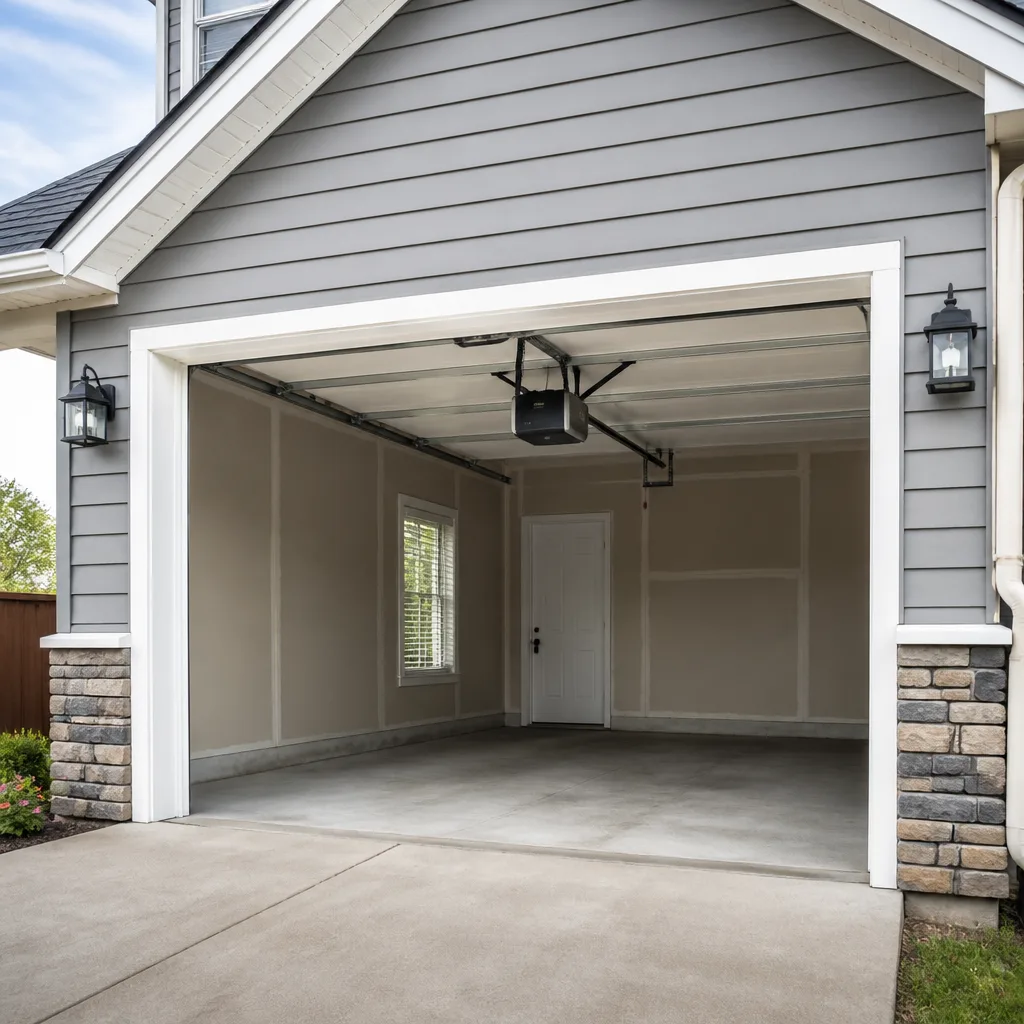 LiftMaster openers
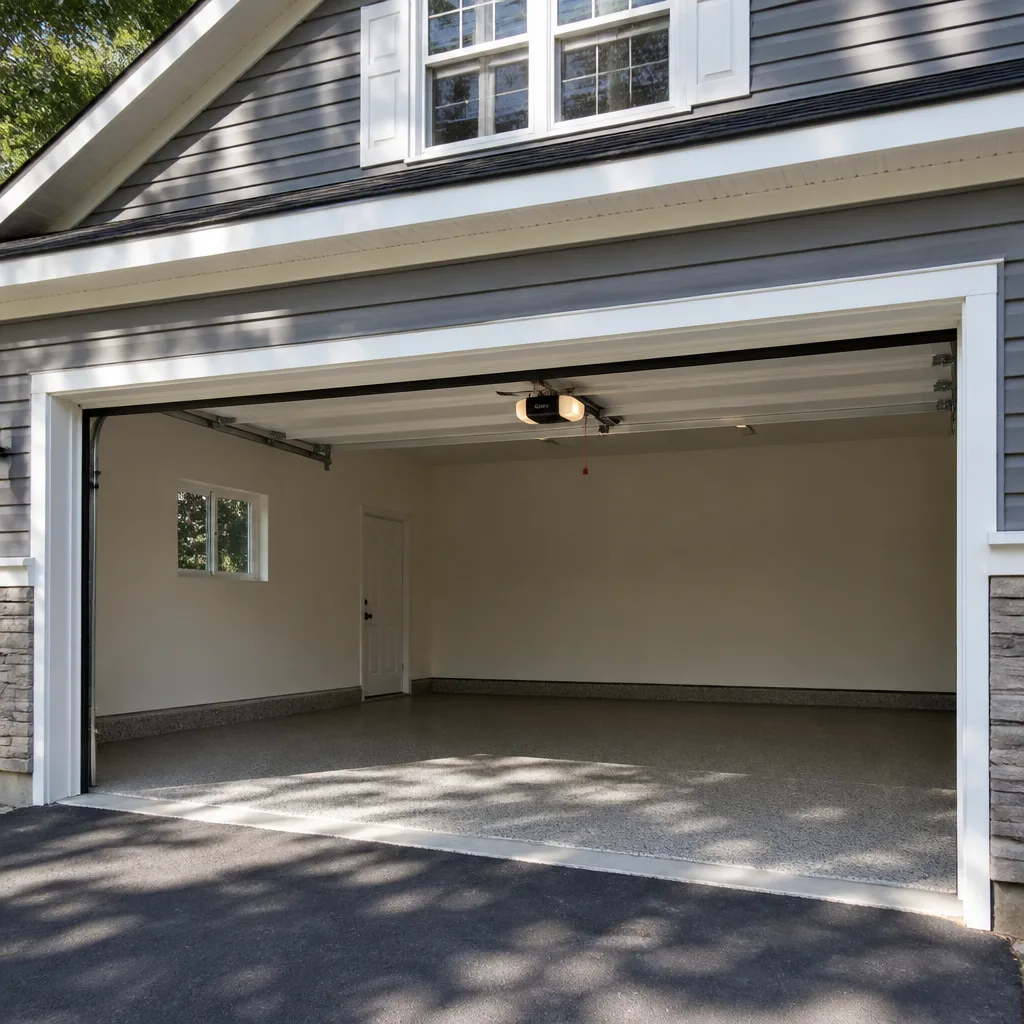 Chamberlain openers
Full 25-point door and opener safety check with every visit - springs, cables, rollers, tracks, and your LiftMaster or Chamberlain opener included
You get a price before we start. It does not change when the pro arrives.
Get your free estimateChoosing the Right Garage Door Brand: A Buyer’s Guide for Heather Gardens
Most garage door buying advice starts with style. Panel design, window inserts, color. That’s the fun part, and it’s the last thing that should decide which brand you buy.
Here’s the counterintuitive truth: a national brand with a big advertising budget can be a poor choice in Heather Gardens if its local distributor network is thin. When a hinge cracks or an opener board fails three years in, what matters is whether the part is on a shelf in the Denver metro or on a factory backorder that runs weeks. In a community like Heather Gardens, where many homeowners are retired and home during the day, doors cycle more often than in a typical house, so cycle rating and parts support matter more than the name stamped on the panel. This guide walks through the criteria that actually drive long-term cost: cycle rating tiers, local parts availability, steel gauge, tested insulation values, and HOA compatibility. By the end, you’ll know how to compare a Craftsman, a Raynor and a LiftMaster system on equal footing.
Quick Answer
The right garage door brand for a Heather Gardens home is the one with strong local parts distribution, hardware rated for high daily cycling, and standard colors that match HOA guidelines without a custom order. In practice, that favors brands backed by Denver-area distributors such as Clopay, Amarr, LiftMaster and Chamberlain over brands that require factory ordering for common wear parts. Style should be your final filter, not your first.
Styles & brands we work with
- Raised-panel steel
- Carriage house
- Modern flush
- Full-view glass
- LiftMaster openers
- Chamberlain openers
Table of Contents
- Why Brand Choice Matters More Than Most Buyers Think
- How to Evaluate Cycle Rating Tiers
- Parts Availability: Denver Metro vs. Factory Orders
- Steel Gauge: What 24-Gauge vs. 25-Gauge Actually Means
- Insulation R-Value Claims vs. DASMA-Certified Values
- HOA Compatibility and Architectural Guidelines
- Opener Brands: LiftMaster, Chamberlain, Craftsman and Genie
- How the Brands Compare on Paper
Why Brand Choice Matters More Than Most Buyers Think
A garage door is the largest moving object in your home. It’s also the one you’ll interact with more than any other piece of equipment in the house. When you choose a brand, you’re choosing a supply chain, a parts catalog and a service network for the next 15 or 20 years. That’s a much bigger decision than which panel profile looks best from the street.
In Heather Gardens, this weighs heavier than usual. Many residents are home through the day, running errands in and out, and the door cycles far more than a door at a house where the owners commute and leave at 7am and come home at 6pm. A door opening and closing 8 to 12 times a day wears very differently than one cycling 4 times. The brand you pick determines whether that wear shows up as a $30 torsion spring and a quick service visit, or a mystery failure with a three-week part delay.
Here’s what we’ve learned from working on garage door systems day in and day out:
- The panel manufacturer and opener manufacturer are often different companies. Clopay makes doors. LiftMaster makes openers. They’re not the same brand, and you’re allowed to mix. Many homeowners don’t realize this until they’re quoting a replacement.
- Repair-cost curves diverge sharply by year five. Brands with strong local distribution age cheaply. Brands without it age expensively.
- The brand on the door matters less than the brand you can get parts for. If the technician who shows up can’t source the right part locally, brand loyalty doesn’t help you.
This is why we work across eight major residential brands rather than championing one. When we look at a door, we’re evaluating the specific system in front of us, and we know what the parts pipeline looks like for each brand before we quote the work.
How to Evaluate Cycle Rating Tiers
Cycle rating is the single most ignored specification on a garage door, and it’s the one that matters most for a household that uses the door heavily. A “cycle” is one full open-and-close motion. Manufacturers rate torsion springs, hinges, rollers and openers in cycles because those are the parts that actually wear out. Panels don’t wear out. Hardware does.
Doors are typically rated at one of three tiers:
- Standard tier (roughly 10,000 cycles). Fine for a low-use household. A door cycling four times a day at 10,000 cycles lasts almost seven years before the spring is due.
- High-cycle tier (roughly 20,000 to 25,000 cycles). The right tier for a Heather Gardens home where the door runs frequently through the day. Same cycles per day, roughly twice the service life.
- Extended tier (30,000+ cycles). Usually reserved for commercial-grade or very heavily used residential doors. Overkill for most Heather Gardens homes, though not unheard of for households with home-based businesses or caregivers coming and going throughout the day.
The catch: cycle rating is set by the spring, not the door panel. Even a higher-grade door will ship with entry-level springs unless the dealer specifies otherwise. So when you’re comparing brands, look at the spring tier each brand’s standard dealer package includes. Clopay and Amarr typically offer clear upgrade paths from standard to high-cycle torsion hardware. Wayne Dalton’s TorqueMaster spring system uses a different geometry that changes how you spec the upgrade. Raynor is known for its commercial-grade spring options, which is why it shows up in higher-use residential jobs. It’s worth asking the question directly: what spring tier comes with this door, and what does the upgrade cost?
When your springs eventually need replacement, this is not a DIY job. Torsion springs are under extreme tension and can cause serious injury if handled without the right tools and training. Spring repair is one of the highest-risk, highest-skill jobs in the trade, and we handle it as a core service rather than a side offer. Matching the new spring to the door’s rating is part of the job, so the cycle tier you chose at installation carries through to the repair.
Parts Availability: Denver Metro vs. Factory Orders
Parts availability is the criterion nobody mentions in the showroom, and it’s the one that costs Heather Gardens homeowners the most frustration. Here’s how the market actually breaks down.
Brands with strong Denver-area distributor support
Clopay and Amarr both maintain distributor relationships throughout the Front Range, which means common parts (rollers, hinges, bottom brackets, panel sections, standard springs) are usually available locally. LiftMaster and Chamberlain, which share ownership and many parts commonalities, have deep distribution for openers and accessories. Craftsman openers, sold for decades through Sears, are largely built on Chamberlain platforms, so parts cross-reference well even though the retail channel has changed. Genie has its own distribution network with decent Front Range coverage.
Brands that sometimes require factory orders
Some brands with thinner local representation can still be good doors, but if a specific panel section or proprietary part fails, the fix can require a factory order rather than a shelf pickup. Wayne Dalton’s proprietary hardware and certain Raynor parts fall into this category depending on the dealer. That’s not a knock on the brand. It’s a timing consideration. A broken door that can’t be fixed until a factory order arrives stays broken longer.
Our advice for Heather Gardens readers is simple: ask your installer, before you sign, which of the door’s wear parts are stocked locally and which require ordering. A good installer will know the answer without checking. We also offer garage door parts as a standalone service, because we’ve seen too many repair calls where the panel or hinge was fine but the part wasn’t available and the job sat waiting.
Steel Gauge: What 24-Gauge vs. 25-Gauge Actually Means
Steel gauge confuses people because the numbers go the wrong direction. Lower gauge means thicker steel. So 24-gauge steel is thicker and stronger than 25-gauge, and a 24-gauge door resists dents better than a 25-gauge door of the same design. This is the number to watch on entry-level and builder-grade doors, because that’s where the thickness often gets cut.
Practically, the difference between 24-gauge and 25-gauge:
- Dent resistance. 24-gauge is noticeably more resistant to impact from bikes, garden tools and stray balls. If your garage is a working space, thicker is worth it.
- Panel rigidity. Thicker steel holds its shape better on wide doors, which reduces sag and keeps the door running quietly on its tracks.
- Weight. 24-gauge doors weigh more, which is one reason the spring and opener need to be matched to the door weight. A thicker door on an underspecced opener is a common combo we see fail.
- Insulation performance. Thicker steel holds insulation better and interacts with the polyurethane core to produce better thermal numbers. This is where gauge and R-value meet.
Most major brands offer both gauges across their product lines, so the gauge you get depends more on which line you buy than which brand. Clopay’s premium lines and Amarr’s upper tiers typically use thicker steel than their entry lines. Wayne Dalton’s product tiers split similarly. Raynor leans toward heavier commercial-grade construction across its residential lines. The safest move is to ask for the gauge in writing on the quote, and compare like for like. A 25-gauge door from one brand is not equivalent to a 24-gauge door from another, even if they look identical in the showroom.
Insulation R-Value Claims vs. DASMA-Certified Values
Every insulated door advertises an R-value. Few advertise whether the number is DASMA-certified. That gap matters, because the Door and Access Systems Manufacturers Association (DASMA) tests and verifies insulation performance through a standardized method, and a DASMA-certified value is a tested number you can compare across brands. A marketing R-value is a claim, and claims vary in how they’re calculated. Some manufacturers cite the center-of-panel value, which is the best-case spot on the door, while the certified value reflects whole-door performance including the frame, joints and edges.
Here’s what to check before you compare R-values on brochures:
- Ask whether the R-value is DASMA-certified, and if so, ask for the certified figure in writing.
- Compare like measurement standards. If one brand quotes certified whole-door performance and another quotes center-of-panel, the numbers aren’t comparable.
- Look at the door construction. A polyurethane core with thermal breaks typically outperforms a polystyrene core in the same rated door.
- Match the R-value to the space. An attached garage in the Denver metro sees real temperature swings between summer and winter, so an insulated door helps. A detached, unconditioned garage gets less benefit from the premium insulation tier.
For Heather Gardens homes, most garages are attached, which makes insulation worth the upgrade. It won’t heat the garage, but it moderates the extremes and cuts noise. Ask for the certified number and don’t accept a brochure figure as the final answer. This is one place where a careful installer will happily show you the documentation.
HOA Compatibility and Architectural Guidelines
Heather Gardens is a community with architectural guidelines, and that changes the brand question in a specific way. The door you install needs to match the community’s palette and style conventions, and the less customization required to get there, the lower your cost and lead time.
Brands with standard color and style palettes that align broad residential guidelines make HOA approval simpler. Clopay and Amarr both offer extensive standard-color lineups and popular panel styles (carriage house, raised panel, flush) that tend to fit established community guidelines without a custom order. Wayne Dalton’s standard offerings are similar. Raynor’s residential palette leans slightly more toward its commercial heritage, though its classic styles fit traditional architecture well. Chamberlain and LiftMaster don’t make doors, so this question doesn’t apply to them, but if you’re replacing an opener at the same time, matching the opener to the door weight is part of the same install.
Before you finalize a brand decision, do these three things:
- Pull the community’s architectural guidelines and find the approved color and style section. Ask your installer to quote only from that subset.
- Confirm with your HOA whether the specific door needs a submission before installation. Many communities require one.
- Ask the installer which panel styles in your chosen brand’s lineup match the guidelines without a special order. Lead time on custom colors can run weeks longer than standard.
It’s worth the call. A brand that can hit your HOA guidelines from stock is a cheaper, faster and lower-risk choice than one that requires a custom order to match. If you’re working through the HOA and the door choice at the same time, that’s a good moment to bring a specialist in.
Opener Brands: LiftMaster, Chamberlain, Craftsman and Genie
Most Heather Gardens homes have one of four openers under the ceiling: LiftMaster, Chamberlain, Craftsman or Genie. That’s not a coincidence. Together they account for the majority of residential garage door openers sold in North America over the past several decades, and their parts and platforms overlap more than most homeowners expect.
- LiftMaster. Common in professionally installed systems. Parts and accessories are widely supported locally, and the brand’s newer models include smart-phone connectivity and battery backup (a real advantage for power outages). LiftMaster is the same corporate family as Chamberlain.
- Chamberlain. The DIY and retail channel sibling of LiftMaster. Many parts are interchangeable. Well supported in the Denver metro.
- Craftsman. Built on Chamberlain platforms for decades. The brand name is retired from the retail shelf but the platform underneath is well understood by anyone who works on chamberlain-family openers, which means parts are usually findable.
- Genie. Has its own distribution and a solid Front Range parts network. Common in older installations.
When we quote garage door opener repair, the brand matters for a specific reason: the diagnostic path. A LiftMaster with a failing logic board is a different job from a Genie with a stripped gear or a Craftsman with a misaligned safety sensor. Knowing the brand tells us what usually fails and what the right part is, which is a big part of the fix. It’s not about loyalty. It’s about how quickly we can identify the problem and get it sorted.
If you’re replacing the opener and the door at the same time, match the opener’s capacity to the door’s weight and intended cycle rating. An underspecced opener is one of the most common causes of early failure.
How the Brands Compare on Paper
Here’s a side-by-side breakdown of how the major brands stack up on the criteria we’ve covered. Treat this as a starting frame, not a verdict. The right brand depends on your door, your HOA and your usage pattern.
Door manufacturers
- Clopay. Broad product range, strong Denver-area distributor support, clear upcharge path to high-cycle springs, wide standard color palette. Strong fit for most Heather Gardens replacements.
- Amarr. Similar strengths to Clopay. Good local support, wide standard palette, clear product tiering between steel gauges. Worth comparing side-by-side on price for the same specs.
- Wayne Dalton. Proprietary TorqueMaster spring system. Hardware and certain parts may need factory orders. Ask which parts are locally stocked before you commit.
- Raynor. Leans toward heavier-duty, commercial-grade construction. Good choice for high-cycle residential jobs, though the residential palette is narrower than the two above.
Opener manufacturers
- LiftMaster / Chamberlain. Shared platform, excellent local parts support, smart features available. Strong default choice for most replacements.
- Craftsman. Chamberlain platform under a familiar name. Parts findable even though the brand is retired from retail.
- Genie. Solid local distribution, reliable older models. Fine choice for like-for-like replacement.
The takeaway: on paper, the gap between Clopay, Amarr, LiftMaster and Chamberlain is narrow. The gap between “locally supported” and “factory order” is wide. That’s the line to sort on first. When a repair is needed, the difference between next-day and next-month matters more than any feature on the brochure. If you’re currently dealing with a problem and looking for garage door repair, the brand question is part of the diagnosis, not a separate conversation.
Common Mistakes to Avoid
- Choosing a brand by color alone. Color is the easiest thing to change and the least important decision long-term. Sort on parts availability and cycle rating first, then narrow by color from what’s left.
- Skipping the DASMA verification question. Accepting a marketing R-value as a comparable number can lead to a door that performs below your expectation. Ask for the certified figure in writing.
- Assuming the door and the opener should be the same brand. They’re almost always different manufacturers. Match the opener to the door’s weight and cycle rating, not to a nameplate.
- Forgetting the HOA submission. In Heather Gardens, installing a door without checking the community’s architectural guidelines can mean a removal or a resubmission. Pull the guidelines before you finalize the order.
- Underspeccing springs on a high-use door. Standard springs on a door cycling eight or more times a day wear through the service life much faster. Ask which spring tier the quote includes.
- Treating factory-order parts as “not my problem.” If a proprietary part fails on a brand with thin local support, you’re the one waiting. Ask which wear parts are stocked locally before you sign.
- Trying spring work yourself. Torsion springs are under extreme tension and cause serious injuries when they slip. The parts are cheap. The risk isn’t worth it. Leave the spring job to a trained technician.
See the difference
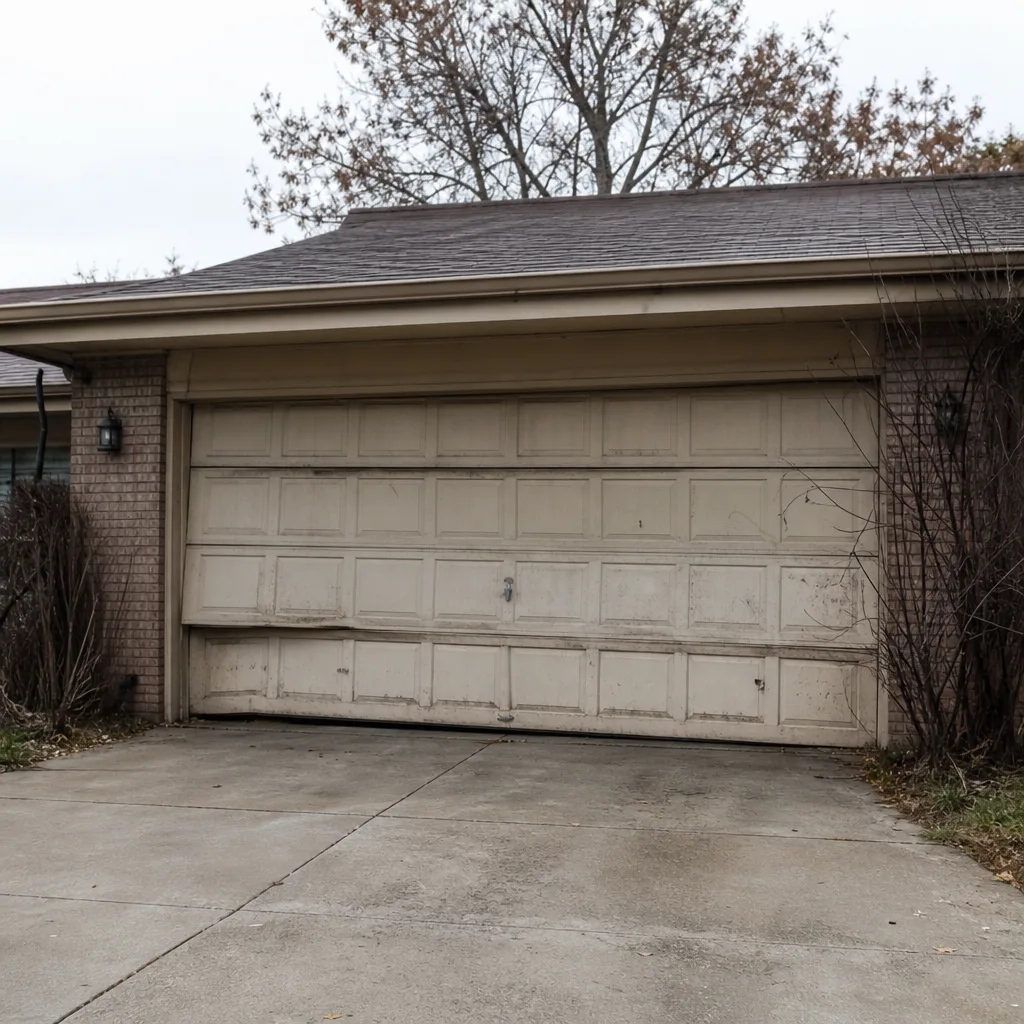 Before
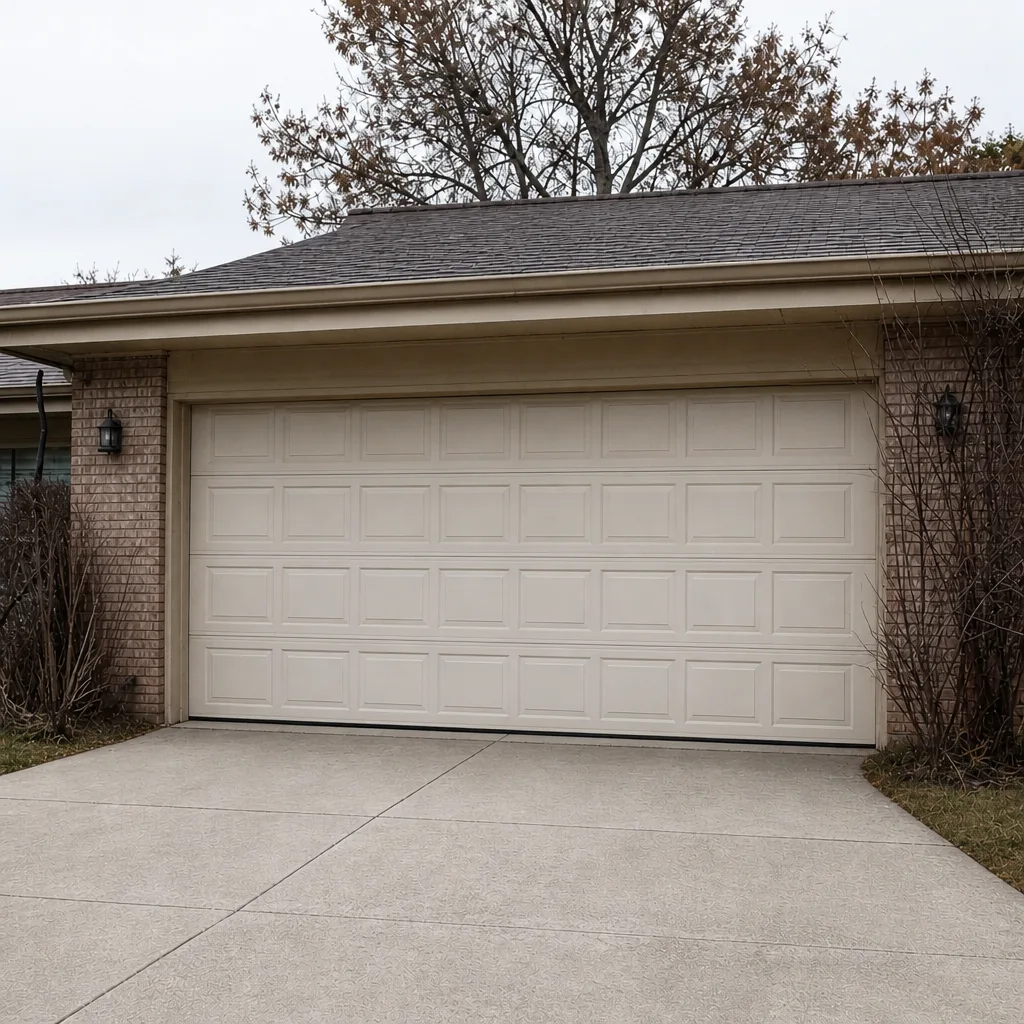 After
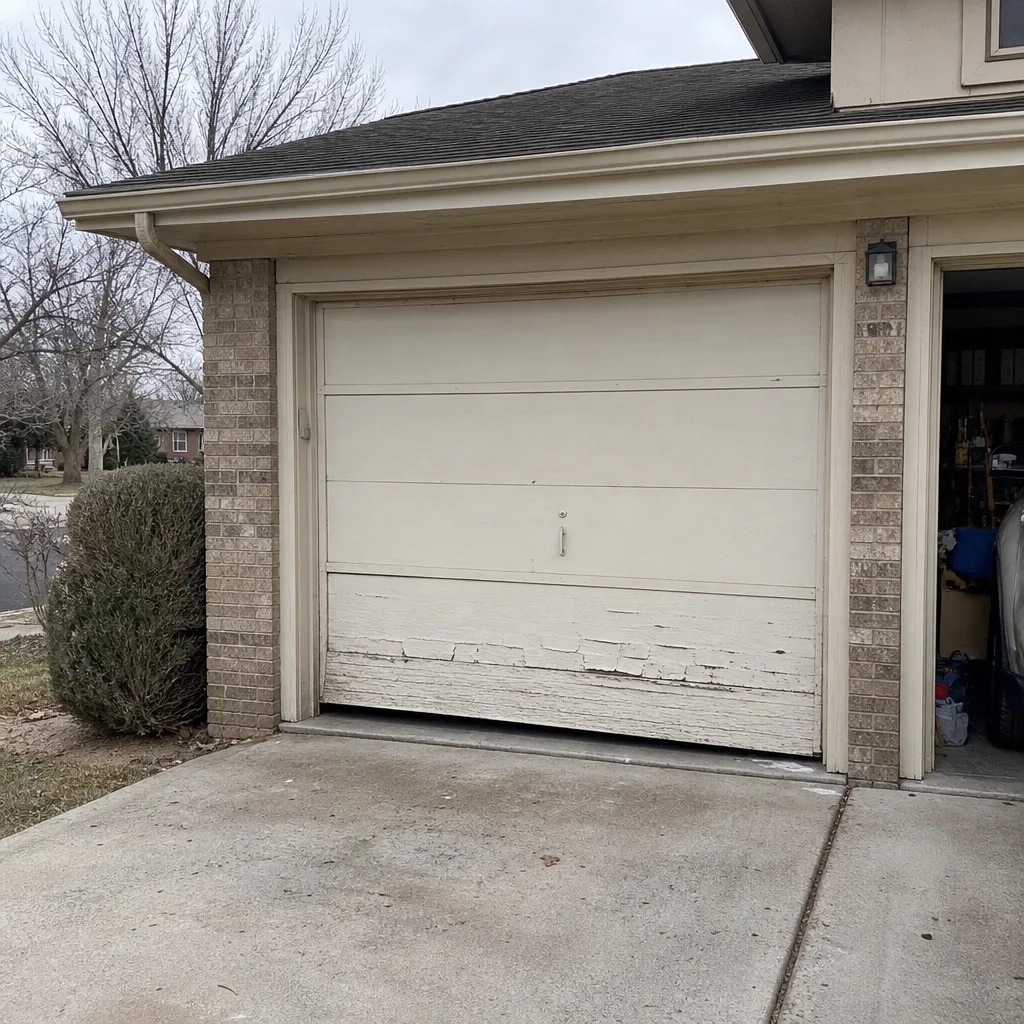 Before
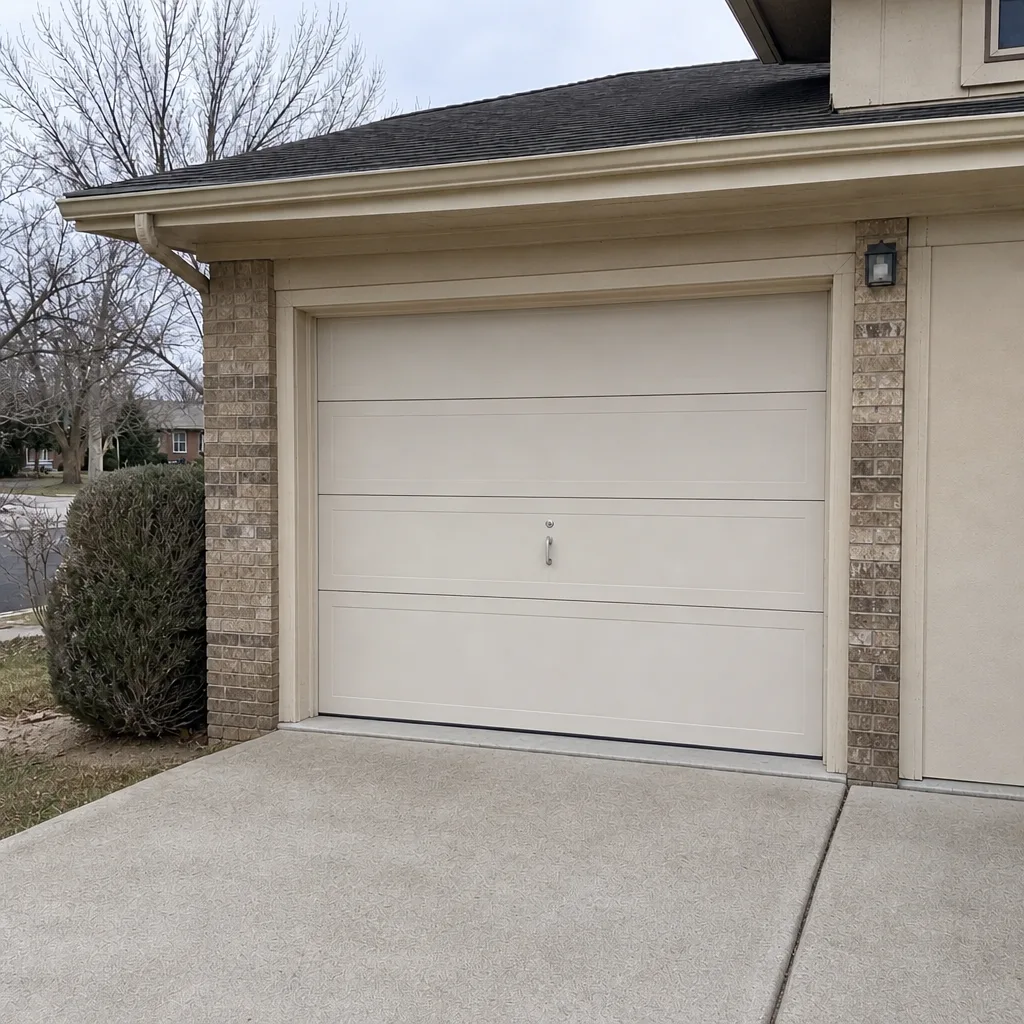 After
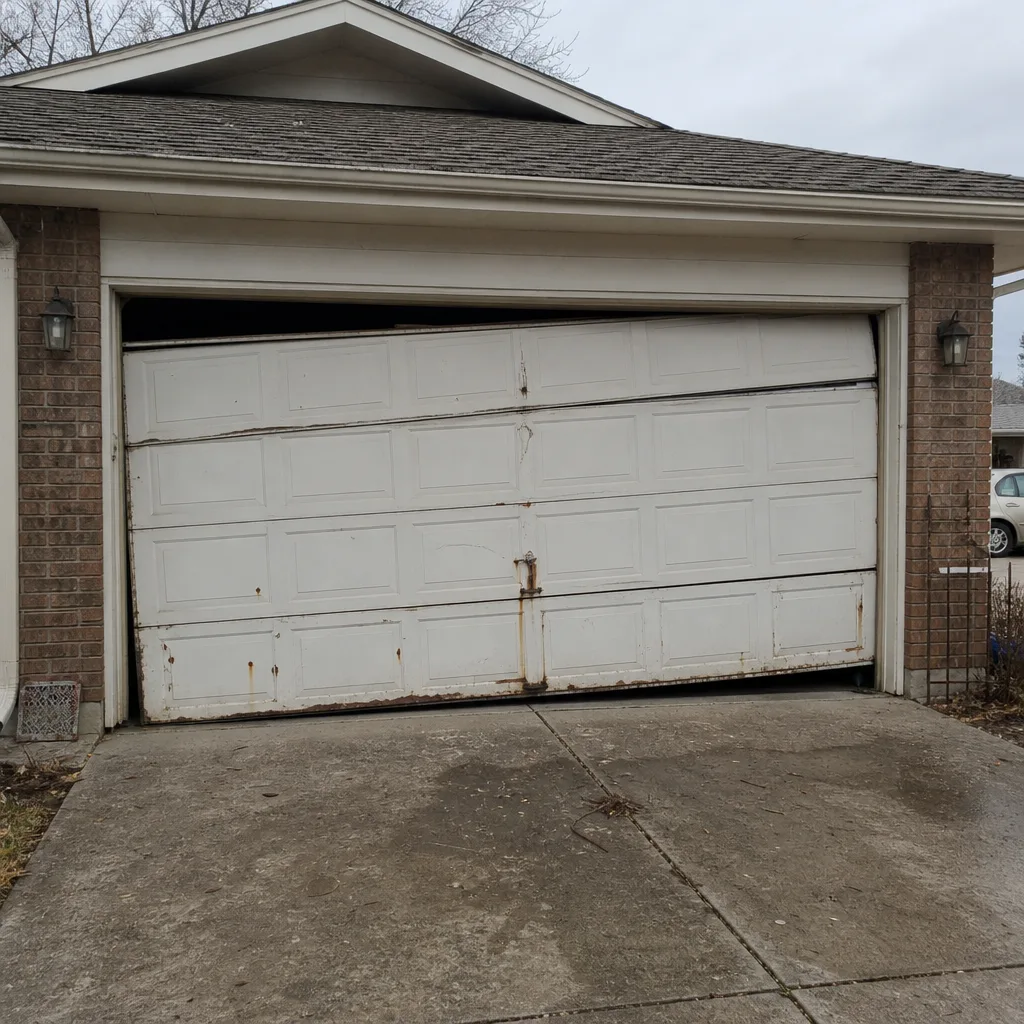 Before
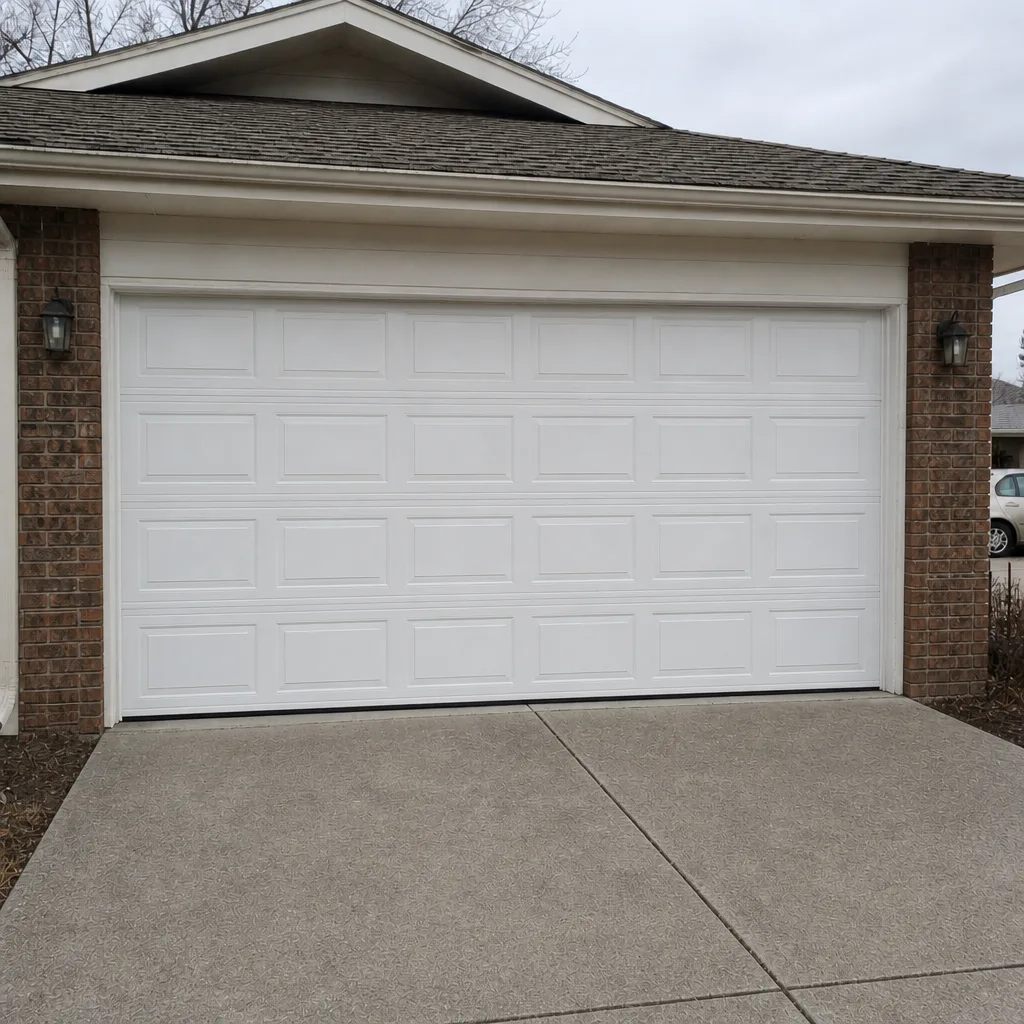 After
When to Call a Professional
Some decisions here are yours to make alone. Brand selection at the drafting stage is one of them. But there are clear moments when bringing in a trained technician pays for itself fast:
- You’re buying a new door and need to know which brands are locally supported on the parts you’ll actually replace in 10 years.
- You have a broken spring, a door that won’t close evenly, or an opener that runs but doesn’t move the door. These are diagnostic problems, and a technician who knows the specific brand will solve them faster than someone learning on the spot.
- You’re replacing the opener and want the capacity matched to the door’s weight and cycle rating.
- You’re working through an HOA submission and need to know which brands’ standard color selections align with the community guidelines.
Garage Door Repair Heather Gardens offers free estimates in Heather Gardens. Call (833) 958-8653 to schedule one. Our technicians have up to 15 years of experience and work across eight major residential garage door brands, so the brand question is something we can answer precisely rather than guess at.
If you’re further along and ready to talk about a replacement, our garage door installation service handles the full cycle from measurement through to the finished door, with all the brand and spec questions answered as part of the quote process. Estimates are free and priced in writing before any work starts.
Frequently Asked Questions
For most Heather Gardens homes, the best brand is one with strong Denver-area parts support, hardware rated for high daily cycling, and standard colors that match community guidelines. Clopay and Amarr both meet those criteria well, and LiftMaster or Chamberlain is typically the right opener pairing. The brand that’s “best” in the abstract is meaningless. The brand that’s best for your door, your usage and your HOA is the one worth buying.
Ask which tier of torsion springs the quote includes, because springs set the cycle rating and not the panel. A standard door at 10,000 cycles is fine for a low-use home but underbuilt for a Heather Gardens household that cycles the door frequently. If the dealer can’t tell you the spring tier, that’s your answer about that dealer.
Yes, in most cases, because an attached garage shares a wall with living space and sees real temperature swings through the Denver metro year. Ask for the DASMA-certified R-value, not a marketing number, and compare on that figure. An insulated door also quiets the door’s operation, which many homeowners appreciate more than the thermal benefit.
Yes, and most homes are already mixed. Doors and openers are typically made by different manufacturers, and the right pairing is the one where the opener’s capacity matches the door’s weight and cycle rating. Brand matching between the two isn’t necessary and shouldn’t be a deciding factor.
The fix eventually happens, but it takes longer, and the door stays out of service while the part is on order. Ask before you buy which wear parts are stocked in the Denver area and which require factory ordering. If we’re the ones quoting, we’ll tell you the answer up front. Same if you’re calling for Garage Door Repair Heather Gardens on an existing door and we need to check the part’s availability before the visit.
The local independent professionals we connect you with are licensed and insured as required by the state of Colorado. We vet the pros we work with on the specific skills the job needs: spring work, opener diagnostics, and brand-specific service across the eight major residential brands. If you have a question about credentials for a specific job, ask when you call. Free estimates, (833) 958-8653.
The Bottom Line
Brand choice for a garage door should start with the supply chain, not the showroom. In Heather Gardens, where doors cycle more often than average, the brands that win are the ones with strong Denver-area parts support, high-cycle hardware available as an upgrade, DASMA-certified insulation figures, and standard palettes that fit community guidelines. Clopay, Amarr, LiftMaster and Chamberlain tend to clear those bars. Wayne Dalton and Raynor can be excellent choices, with the caveat that some parts may need factory ordering. Style decisions come last. Pick the brand on the criteria that affect ownership cost, then choose the panel and color from what’s left. When you’re ready to talk through the specifics for your home, call (833) 958-8653 for a free estimate.
Written by the team at Garage Door Repair Heather Gardens.