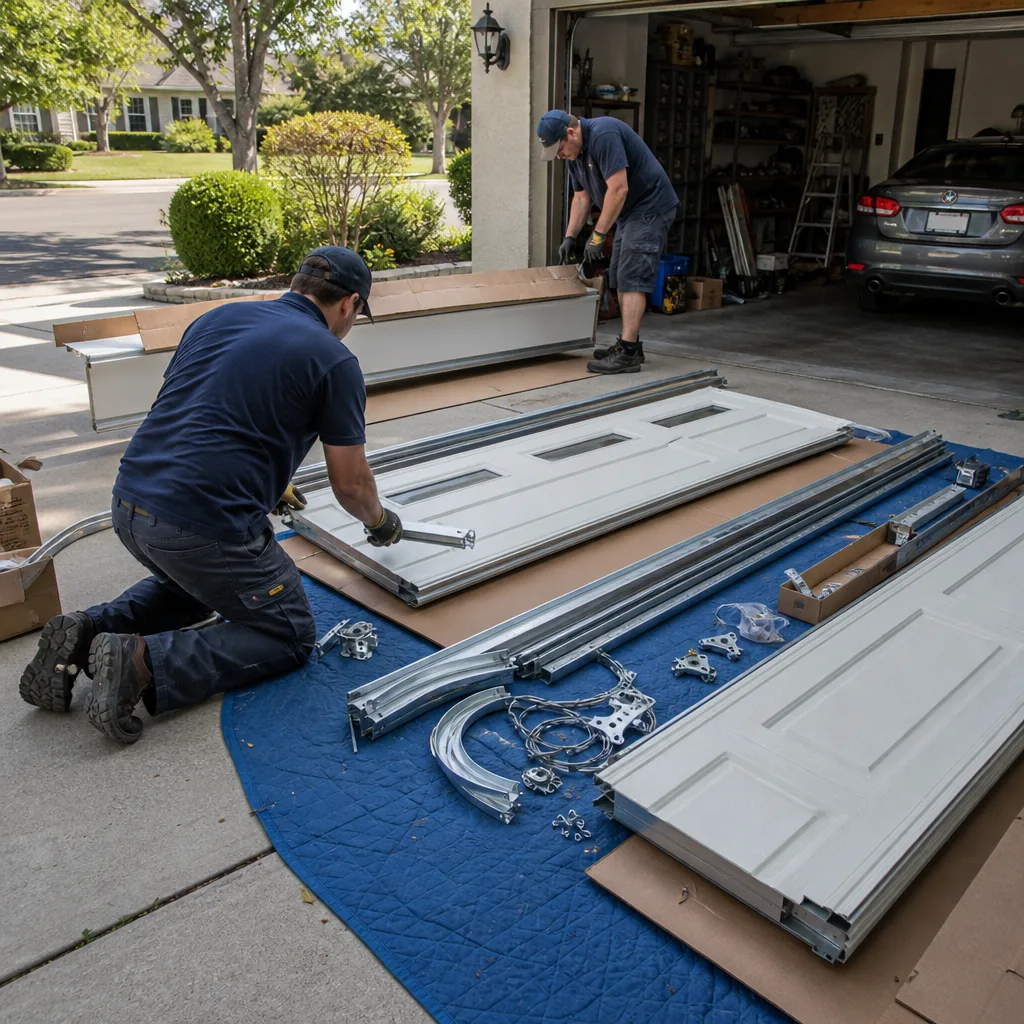
Last updated November 21, 2026
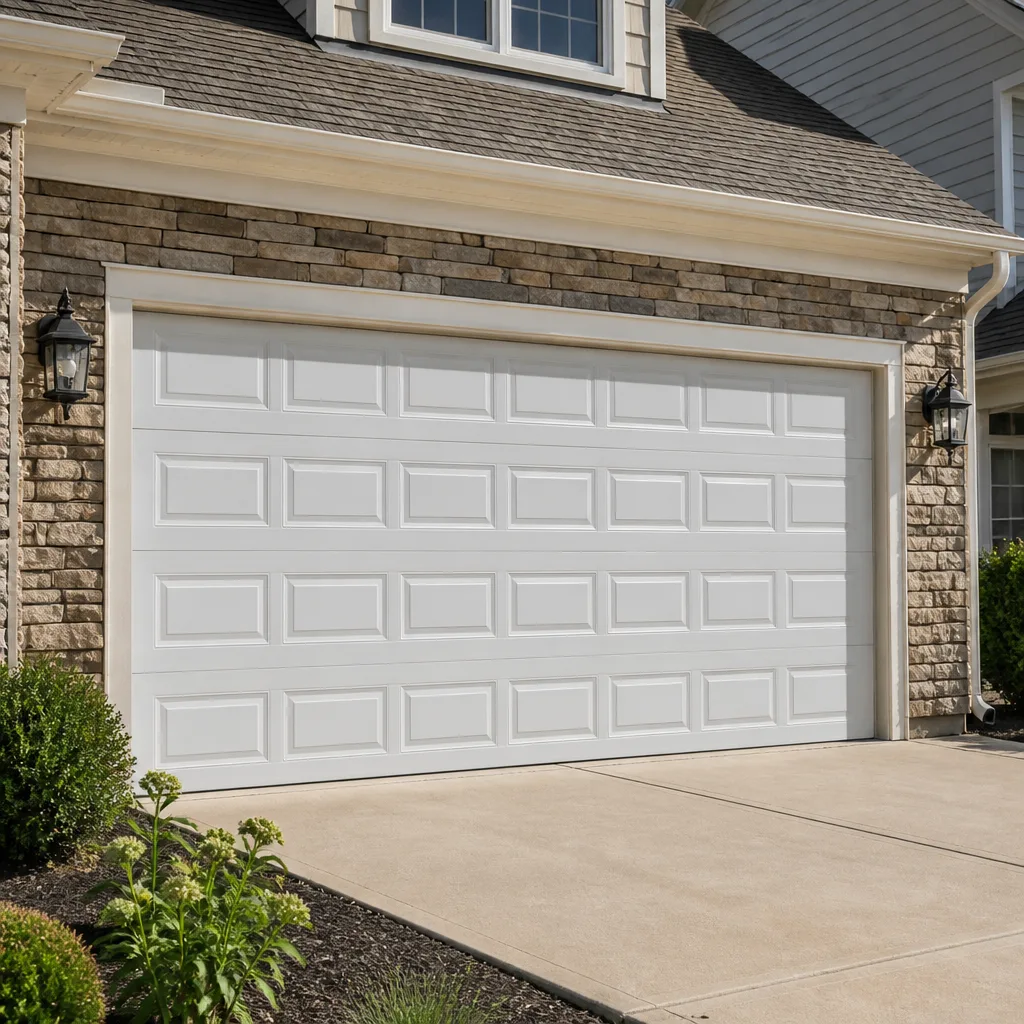 Raised-panel steel
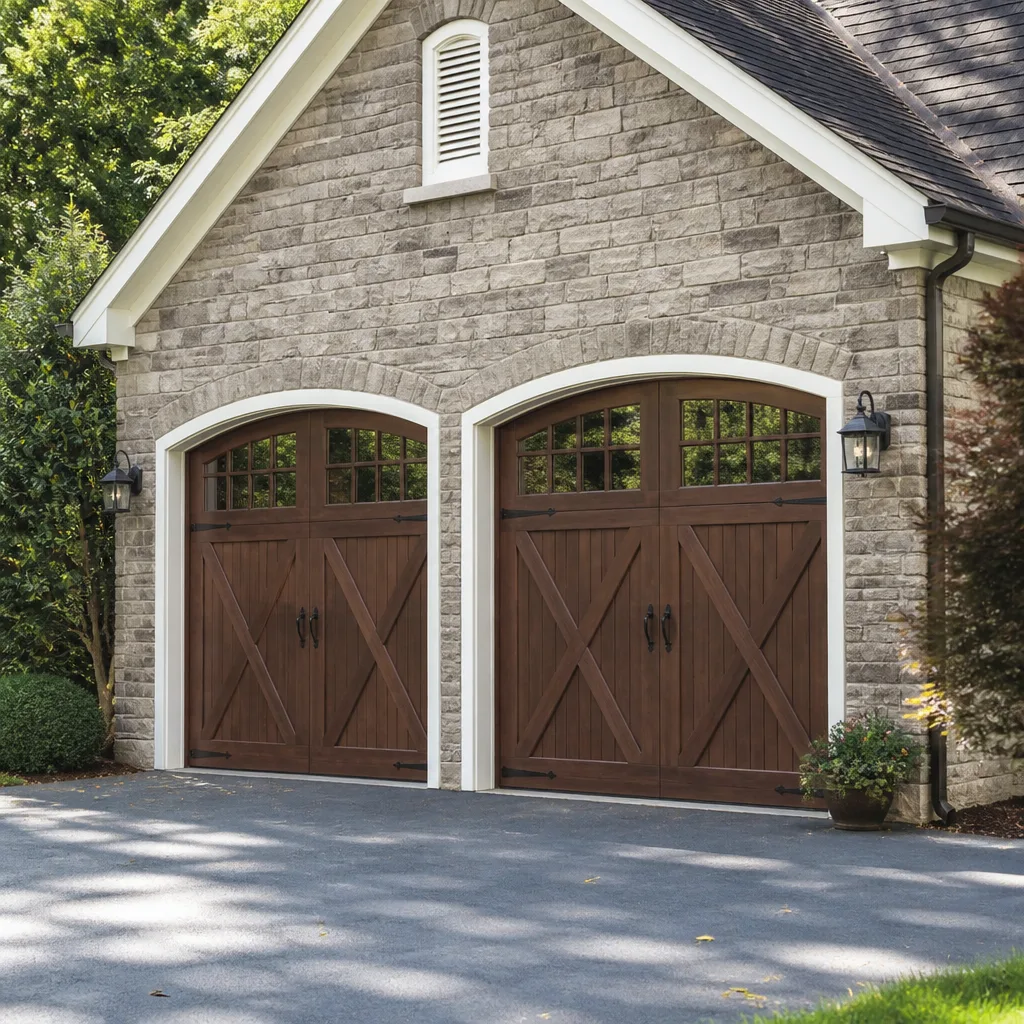 Carriage house
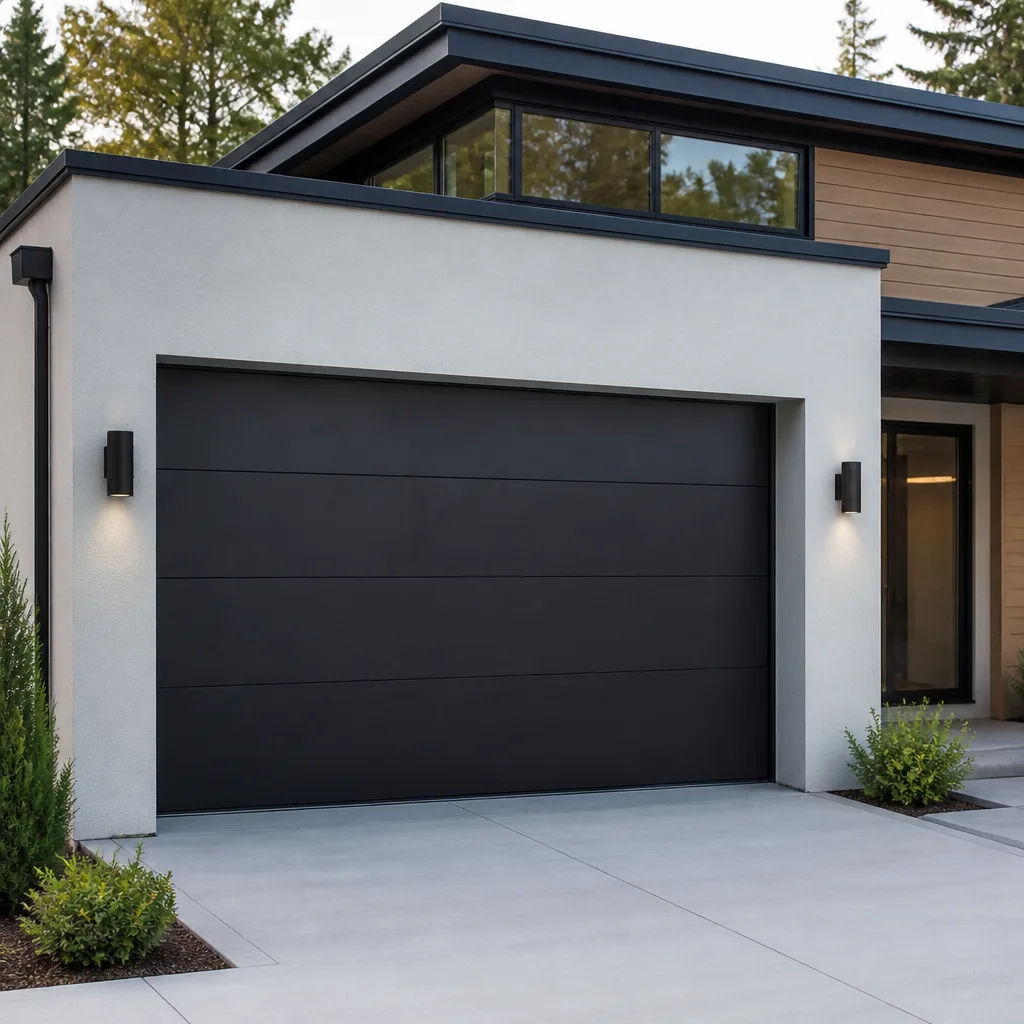 Modern flush
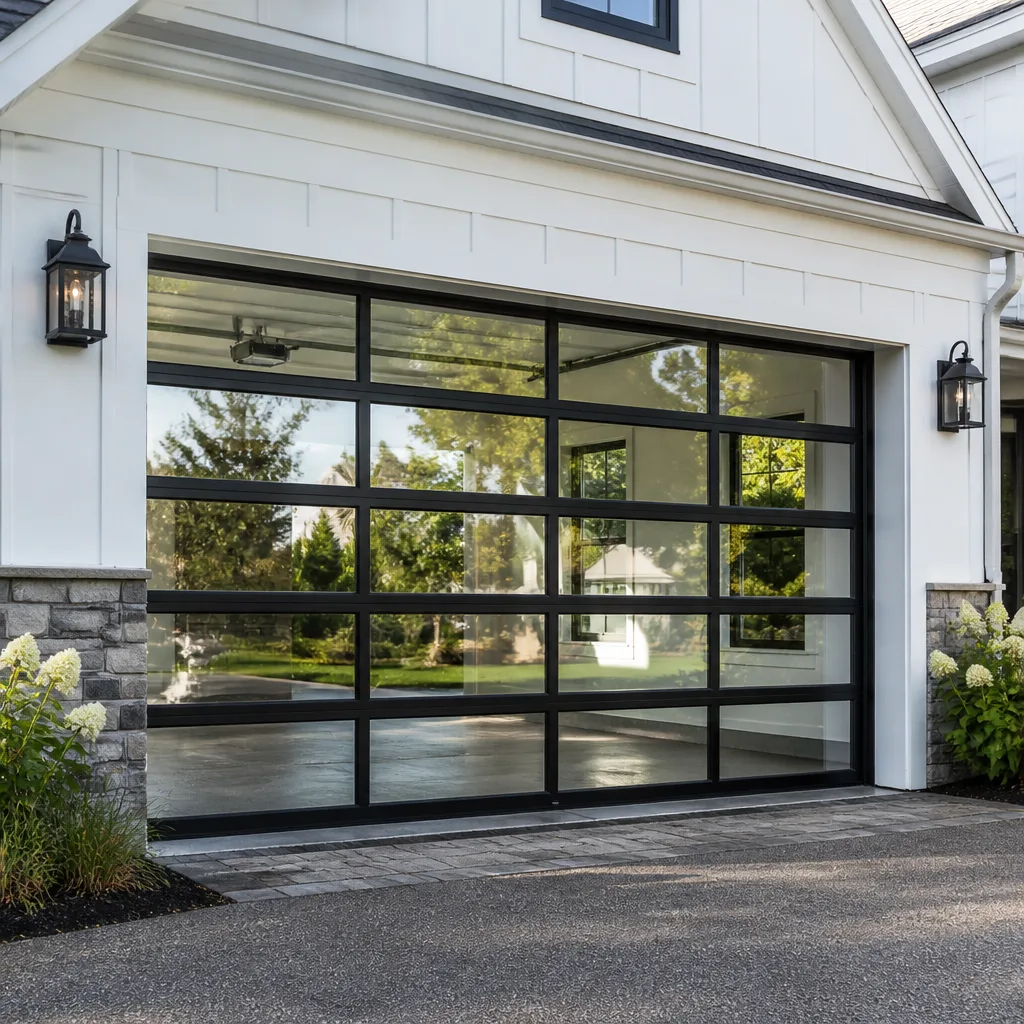 Full-view glass
 LiftMaster openers
 Chamberlain openers
Full 25-point door and opener safety check with every visit - springs, cables, rollers, tracks, and your LiftMaster or Chamberlain opener included
You get a price before we start. It does not change when the pro arrives.
Get your free estimateGarage Door Repair Troubleshooting in Heather Gardens: Common Problems and How to Fix Them
A noisy door and a slow door feel like the same problem. They almost never share the same fix. That confusion is the most common reason a repair call turns into a second repair call, and it’s why so many Heather Gardens homeowners end up buying a part they didn’t need. Garage door symptoms are specific. A grinding sound points to one system. A door that reverses on contact points to another. A sagging panel points to a third. This guide maps each symptom to the part that actually causes it, explains why Colorado’s temperature swings put extra strain on torsion springs, and shows you the safe checks you can run before anyone shows up. By the end, you’ll know what’s wrong before you call.
Quick Answer
Most garage door problems fall into one of six mechanical categories: springs, cables, rollers and hinges, track alignment, the opener, or the door panels themselves. Match your symptom to a category first, and diagnosis gets faster. In Heather Gardens, the most common culprit is a torsion spring that’s lost tension from Colorado’s temperature swings, which shows up as a door that feels heavy, opens only partway, or slams down. That’s not a lubrication problem and not an opener problem. It’s a spring problem, and it needs a trained technician.
Styles & brands we work with
- Raised-panel steel
- Carriage house
- Modern flush
- Full-view glass
- LiftMaster openers
- Chamberlain openers
Table of Contents
- The Symptom-to-Cause Matrix: What Each Sound and Behavior Tells You
- Why Colorado Temperature Swings Hit Torsion Springs Hardest
- Door, Track, or Opener? How to Narrow It Down Fast
- Three Checks You Can Do Safely, and Two You Never Should
- When Lubrication Masks a Structural Failure
- What Garage Door Repair Costs in Heather Gardens
- Opener Troubleshooting Across the Most Common Brands
- Repair vs. Replace: Making the Call
The Symptom-to-Cause Matrix: What Each Sound and Behavior Tells You
Every garage door symptom comes from a specific mechanical source. The trick is to stop listening to the symptom in general terms and start matching it to the system that produces it. Here’s how we break it down.
| Symptom | Likely Source | What It Means |
|---|---|---|
| Loud grinding or scraping | Rollers or hinges | Worn steel rollers, or a hinge that’s lost its lubrication and is grinding metal on metal. |
| Door reverses immediately on contact | Safety sensors or opener logic board | Sensor misalignment, a blocked lens, or a logic board that’s misreading the travel limits. |
| Sagging on one side | Cable or spring imbalance | A stretched or snapped cable, or one spring working while the other isn’t. |
| Uneven gap at the bottom | Track alignment or a bent panel | The door isn’t traveling square, often because one track has shifted out of plumb. |
| Door opens partway then stops | Torsion spring tension | The spring has lost enough tension that the opener can’t lift the door’s weight. |
| Loud bang from the garage | Snapped torsion spring | A spring has broken. Stop operating the door until it’s repaired. |
| Door slams down hard | Spring tension or a failing opener | Loss of counterbalance, or the opener’s down-limit is set too far. |
| Motor runs but door doesn’t move | Opener gear or drive | Stripped nylon gear, a broken drive belt, or a disengaged manual release. |
The value of this matrix is that it tells you which system to look at before you spend money. A grinding door doesn’t need a new opener. A reversing door doesn’t need new springs. And a door that stalls partway up usually doesn’t need either one. In our experience, the majority of Heather Gardens repair calls where the homeowner has already bought a part come from misreading the first symptom they heard. Fix the symptom, not the noise.
One more thing worth knowing: some symptoms pile up. A worn roller creates vibration, the vibration shakes the track loose, and the misaligned track puts uneven strain on the spring. Start with the simplest source and work outward. That’s how we approach a garage door repair call: one symptom at a time, confirmed before anything gets replaced.
Why Colorado Temperature Swings Hit Torsion Springs Hardest
Torsion springs are made of steel under constant tension. Steel expands and contracts with heat and cold. In a climate like Heather Gardens, where a winter morning can be well below freezing and an afternoon can be mild, that steel is doing a lot of expanding and contracting over the course of a year. Every cycle adds up. Springs are rated in cycles, and the count doesn’t reset just because the door looks fine.
Colorado’s temperature swings affect torsion springs in ways you can actually hear and feel:
- The door suddenly feels heavier. Cold shrinks the metal and reduces the tension the spring was set to hold. A door that lifted easily in summer can feel like it weighs twice as much in a cold snap.
- You hear a bang from the garage. That’s a spring breaking. It almost always happens when the door is at rest or just starting to move, and it’s the sound of stored energy releasing all at once.
- The door opens partway and stops. As the spring loses tension over time, the opener has to work harder to lift the door. Eventually it can’t lift it past a certain point.
- The door slams the last few inches. A spring that’s lost tension stops cushioning the descent. If the door also bangs into the floor, get it checked before running it again.
In our experience, the temperature swings in Heather Gardens are one of the biggest reasons springs fail earlier than homeowners expect. A spring rated for a certain number of cycles will still break at that count, but the stress of repeated freeze-and-thaw makes each cycle count for a little more. If you’ve noticed your door getting heavier or slower, that’s not imagination. That’s a spring telling you it’s near the end of its service life.
One important note for anyone with two springs: when one breaks, the other has usually been working just as hard for just as long. A matched pair is almost always replaced together. A single spring replacement is available, but if the second spring is worn to the same level, you’ll be back in a few months. Our technicians replace one spring or a pair depending on what the condition calls for, and the estimate spells out which and why.
Door, Track, or Opener? How to Narrow It Down Fast
Before you call anyone, figure out which of the three systems is actually failing. That single step saves time, money, and a lot of guessing. Here’s how.
- Test the door by hand. Disconnect the opener using the manual release cord. Lift the door halfway and let go. If it stays roughly where you left it, the spring is doing its job. If it drops, the spring is the problem.
- Look at the tracks. Stand inside the garage and sight along each track from the bottom up. A track that’s visibly bent, twisted, or pulled away from the wall is a track problem. A track that’s straight but the door still wobbles is a roller problem.
- Listen to the opener motor. Cycle the door from the wall control. If the motor hums but nothing moves, the problem is in the opener’s drive. If the motor runs and the door moves but stops or reverses, the problem is likely the limit settings or the sensors.
- Check the safety sensors. Look at the two small lights on the sensors near the floor. If one is off or flickering, the sensors are misaligned or blocked. That alone will cause the door to reverse.
- Look at the door panels. Stand back and check the door for cracks, dents, or panels that sit out of line with their neighbors. A bent panel is a door problem, and no amount of opener adjustment will fix it.
This sequence works because it goes from the most likely and simplest source to the least likely and most involved. In Heather Gardens, most of the calls we get that start with “the opener is broken” end with a spring or sensor diagnosis. The opener gets blamed a lot and is actually the culprit less often than homeowners think.
Once you’ve narrowed it to the opener, the next question is brand. We work on garage door opener repair for the brands found in most residential garages, including LiftMaster, Chamberlain, Genie, and Craftsman. Knowing the brand before we arrive means we know which parts to bring. It’s the difference between a one-visit fix and a callback.
Three Checks You Can Do Safely, and Two You Never Should
Some checks are safe for any homeowner. Some are genuinely dangerous, no matter how handy you are. Knowing which is which matters more than knowing how to do the repair.
Three checks you can do safely:
- The manual release test. Pull the release cord and lift the door by hand. This tells you whether the door is balanced. It’s safe because the spring is still doing its job while you’re testing.
- The sensor light check. Look at the two sensor lights near the floor. If either is off or blinking, clean the lens, check for anything blocking it, and look for a loose wire. This is safe and takes about a minute.
- The track sight-line check. Stand inside the garage and look up along each track. A bent or pulled-away track is visible to anyone. You don’t need to touch it. Just look.
Two checks you should never attempt:
- Adjusting torsion springs. Torsion springs hold enormous stored energy. The two winding bars used to adjust them are under load the whole time, and a slip can cause severe injury. This is one of the highest-risk jobs in the trade, and it’s not a DIY project regardless of what a video suggests.
- Replacing or adjusting cables. Cables are also under tension, and a snapped cable can whip fast enough to do real damage. If a cable looks frayed, loose, or off its drum, stop operating the door and call a technician.
We can’t stress this enough: the spring and cables are the two components in a garage door system that can hurt you. The spring repair work we do is handled as a core service because it’s the one job that requires real training, real tools, and real respect for the danger. If you’re unsure whether your problem touches the springs or cables, don’t test it. Call.
When Lubrication Masks a Structural Failure
Lubrication is the most over-prescribed fix in garage door repair. A noisy door gets a spray of white lithium and the sound goes away. For a few weeks. Then it comes back, a little louder. The reason is that the noise was never the problem. The noise was the symptom.
Here’s how to tell the difference. Lubrication is the right answer when the noise is coming from a hinge or roller that’s dry and the metal is contacting metal. It’s the wrong answer when the noise is coming from a roller that’s worn flat, a hinge that’s cracked, or a bearing that’s seized. In those cases, the lubricant briefly dampens the vibration, but the part is still failing. And when a worn roller finally seizes, it drags on the track, which pulls the track out of alignment, which puts uneven strain on the spring. You’ve now got a three-part problem that started as a fifteen-dollar roller.
In our experience, the most common “I already tried lubricating it” scenarios in Heather Gardens look like this:
- The door quiets down for a week and then gets louder than before, because the roller is now wearing unevenly.
- The door gets smoother but starts to wobble slightly when it moves, which points to a roller that’s lost its shape.
- The noise moves from one spot to another, which usually means the lubricant has masked the first failing part and revealed the next one.
Lubrication is a maintenance step, not a repair. It’s worth doing to keep a healthy door healthy. But if you’re lubricating the same door every few weeks to keep it quiet, you’re masking a structural failure. The part needs to be replaced, and the sooner it’s replaced, the cheaper the fix. That’s the “right part, right fix” approach we bring to every call.
What Garage Door Repair Costs in Heather Gardens
Clean, simple answer: garage door repairs in Heather Gardens typically run between $150 and $650 depending on which system has failed, and the written estimate sets the final price before any work starts. Springs, cables, rollers, tracks, openers, and panels each carry their own cost range because each is a different job with different parts and different labor.
Here’s a rough breakdown of the ranges we see for common repairs. These are typical estimates, not a quote for your specific door. The actual price depends on your door’s size, weight, and brand, and on the condition of the surrounding components once we get into the job.
| Repair | Typical Estimate | Notes |
|---|---|---|
| Torsion spring replacement (one spring) | $180 – $340 | A matched pair is usually replaced together, which roughly doubles the price. |
| Torsion spring replacement (matched pair) | $360 – $680 | Almost always the right call when both springs are the same age. |
| Extension spring replacement | $150 – $280 | Older doors, often visible alongside the tracks. |
| Cable replacement | $150 – $300 | Replacement of one or both cables that have stretched or snapped. |
| Roller and hinge replacement | $150 – $350 | Often the fix when the door is loud or wobbles. |
| Track realignment or replacement | $180 – $400 | Depends on whether the track can be realigned or needs new sections. |
| Opener repair | $150 – $400 | Gear, belt, logic board, or sensor repair, depending on the brand. |
| Panel replacement | $250 – $600 | Single-panel replacement when the door itself is damaged. |
Two things to keep in mind when you look at these numbers. First, the written estimate is the price. We quote and agree on the number before any work starts, and if we find something unexpected once we’re inside the door, we stop and talk to you before continuing. You shouldn’t be surprised by an invoice at the end. Second, a pair of springs costs about twice what one spring costs, and that’s because a pair is two separate components, each replaced. If a technician quotes you a single-spring price and then replaces a pair, ask why before the work begins.
Cost also depends on the door. A single-car Amarr door and a double-car Wayne Dalton take different springs and different openers. If you’re not sure what you have, a free estimate will tell you. For a full picture of what different repairs involve, our main Garage Door Repair Heather Gardens page covers the service range. The estimate itself is free either way, and calling (833) 958-8653 gets you a real number rather than a guess.
Opener Troubleshooting Across the Most Common Brands
Openers fail in predictable ways, and the failure mode usually points to one of five components: the drive gear, the belt or chain, the logic board, the safety sensors, or the travel limits. Which one is failing usually comes down to the brand and the age of the unit.
- Craftsman: The most repaired failure we see is the drive gear, especially on older chain-drive units. A stripped nylon gear is the reason a Craftsman opener hums without moving the door.
- LiftMaster: Logic board failures and safety sensor faults are the common ones. The opener runs but reverses, or the sensors won’t signal correctly even when the lenses are clean.
- Chamberlain: Belt-drive units are usually reliable, so when one fails it’s often the travel limits or the wall control wiring rather than the motor itself.
- Genie: Screw-drive units wear on the drive nut and carriage. When a Genie door moves slowly or with the motor sounding strained, that’s usually the source.
- Raynor and other brands: Opener issues on these units usually track back to the safety sensors or the remotes, and we check both before assuming a motor problem.
We work on LiftMaster, Chamberlain, Genie, Craftsman, Amarr, Wayne Dalton, and Raynor systems specifically, which means we know which failure modes are common to each and which parts we’re likely to need. That’s a practical advantage: it’s the difference between a technician who opens the casing and starts guessing and one who already knows the likely suspect. We know what’s wrong before we guess.
Diagnostics work like this:
- Cycle the door from the wall control and listen to the motor.
- Check the two safety sensor lights and test the sensor alignment.
- Disconnect the door with the manual release and test the door balance.
- Inspect the drive gear, belt, chain, or screw for visible wear.
- Test the travel limits and the force settings.
- Confirm the diagnosis with the brand-specific failure pattern.
If you’ve already had a technician replace a part and the opener still isn’t right, the problem is almost certainly in a component that wasn’t checked. Six checks, one diagnosis, and the right part. That’s how a repair call should go.
Repair vs. Replace: Making the Call
Repair is usually the right answer when the door itself is sound and the failure is in a single component. Replace the spring, the cable, the roller, or the opener, and the door keeps working for years. Replacement is the right answer when the door has damage that repair can’t fix: cracked or bent panels, a frame that’s rusted through, or a door that’s been hit hard enough that the tracks, hinges, and panels all need work at once.
A few practical rules:
- Spring, cable, or roller failure on a sound door: repair. These are wear items, and replacing them is what keeps the door in service.
- One cracked panel: often worth replacing the panel, not the door. We source panels for Clopay, Amarr, and Wayne Dalton doors, and a single-panel replacement is usually less expensive than a full door.
- Several damaged panels or a bent frame: a full garage door installation is usually the better long-term value.
- An opener that’s over ten years old and failing: weigh repair against replacement. Older openers can still be repaired, but parts for discontinued models get harder to source.
If you’re considering a full replacement, we offer garage door parts for the brands we work on, which keeps the replacement timeline shorter. The right part doesn’t have to mean a long wait, and the right fix doesn’t always mean a new door.
Common Mistakes to Avoid
- Replacing the opener when the spring has failed. This is the single most expensive mistake we see. If the door feels heavy when you lift it by hand, the opener isn’t the problem. The spring is.
- Adjusting a torsion spring yourself. This is the one mistake that can cause serious injury. Torsion springs are under constant high tension. A trained technician is the only safe option.
- Lubricating a worn roller instead of replacing it. The noise goes away for a week, then comes back louder, because the roller was never the thing failing. The lubricant just hid the symptom.
- Ignoring a door that reverses on contact. A door that reverses can be a sensor issue, but it can also be a sign the door is out of balance. Either way, it’s not something to overlook.
- Driving with a door that opens only partway. Running a door with a partially failed spring puts extra strain on the opener, the tracks, and the panels. What was a spring repair can become a full-door replacement.
- Skipping the free estimate. Not all garage door problems are what they sound like. A free estimate confirms the diagnosis before you spend money on a part you might not need.
- Assuming it’s just the cold. A door that’s slow in a Heather Gardens cold snap might genuinely be temperature-related, or it might be a spring that’s near the end of its life. The two feel similar, and only a check tells them apart.
See the difference
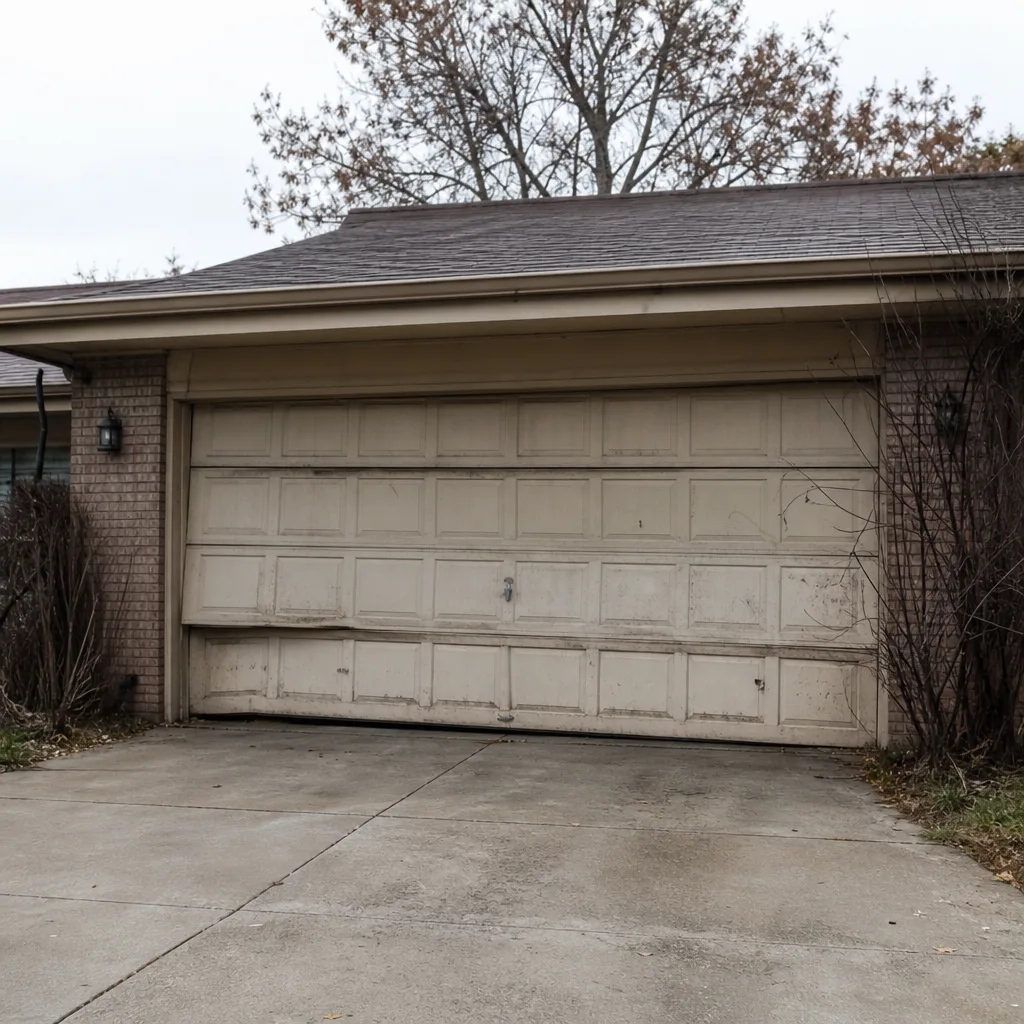 Before
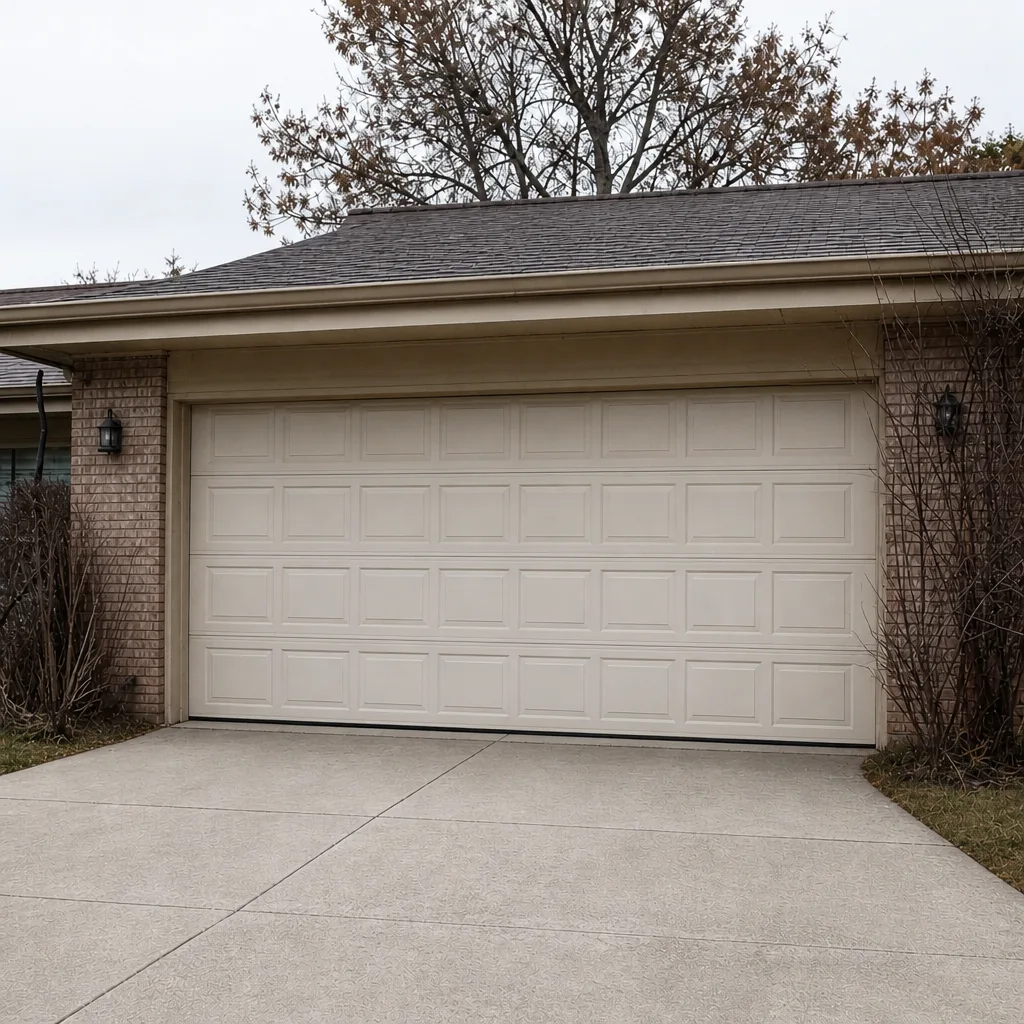 After
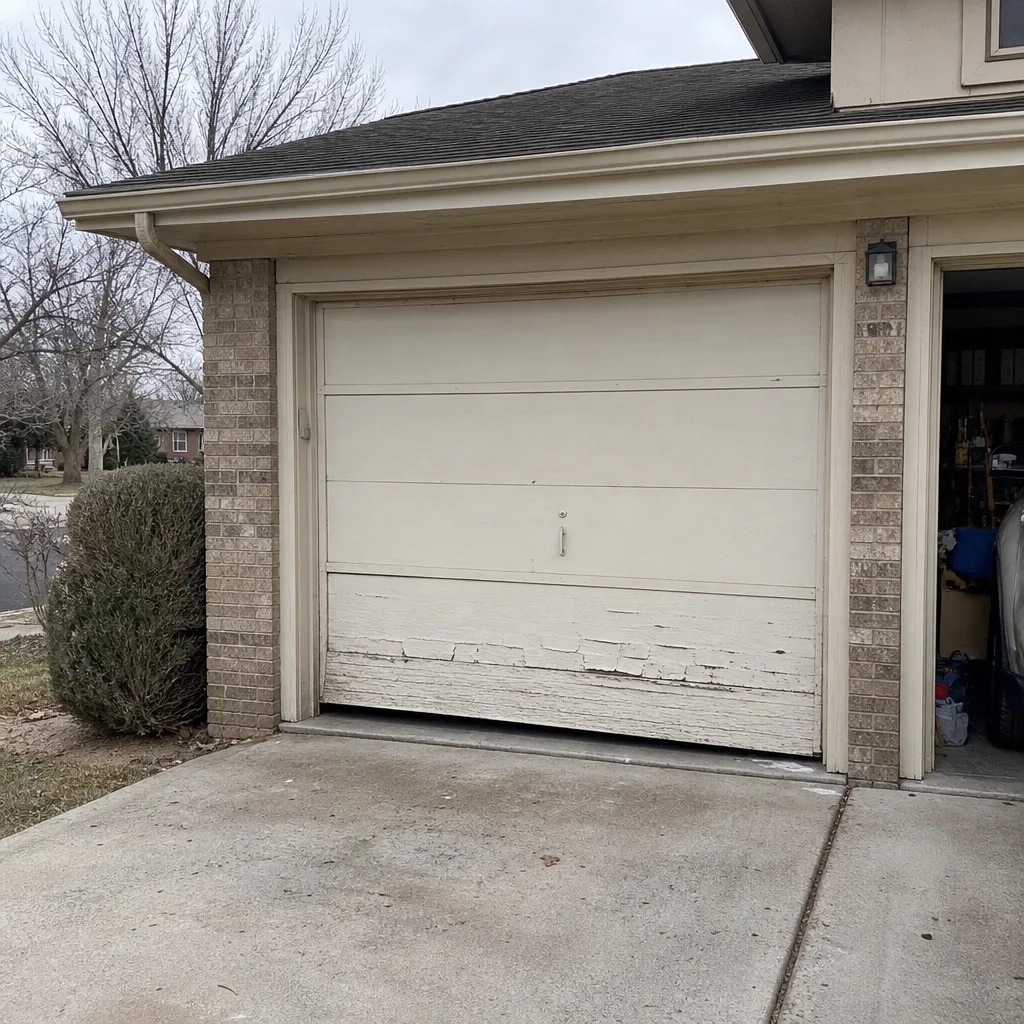 Before
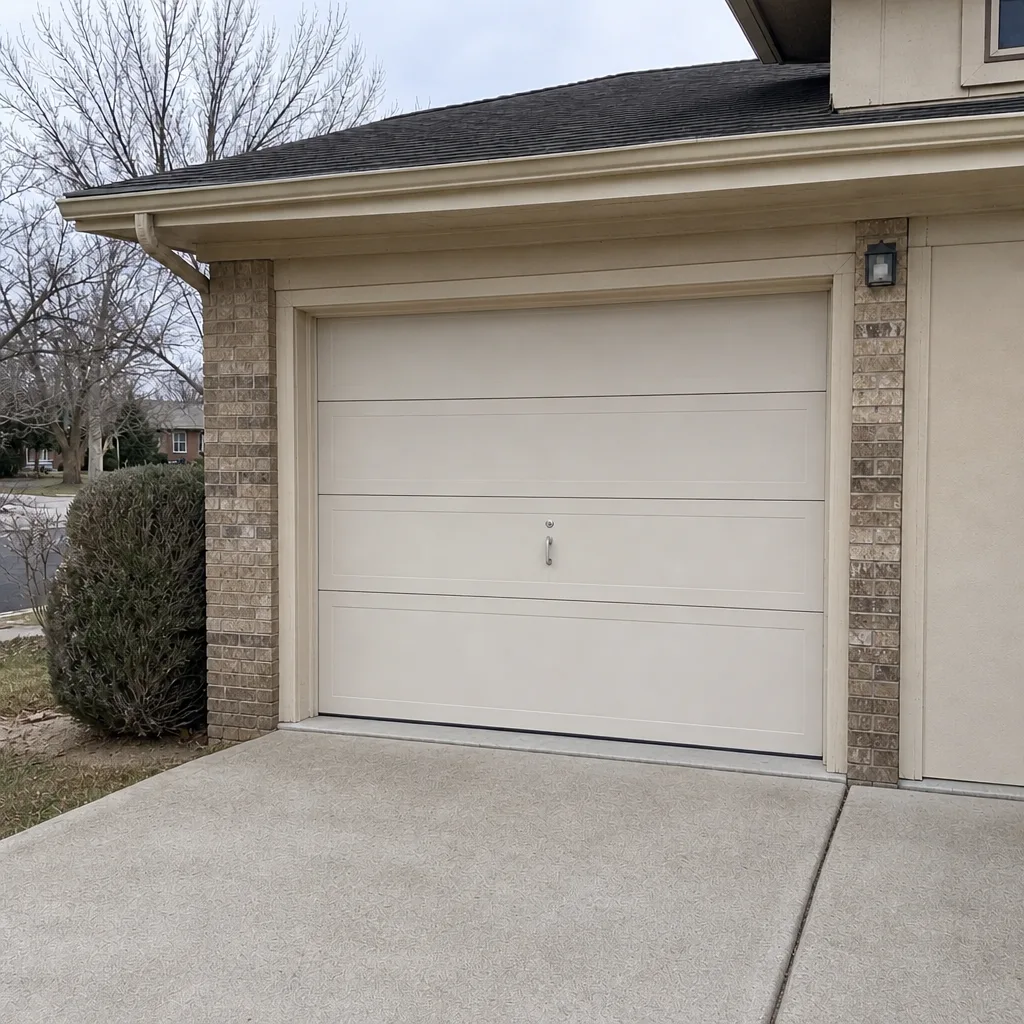 After
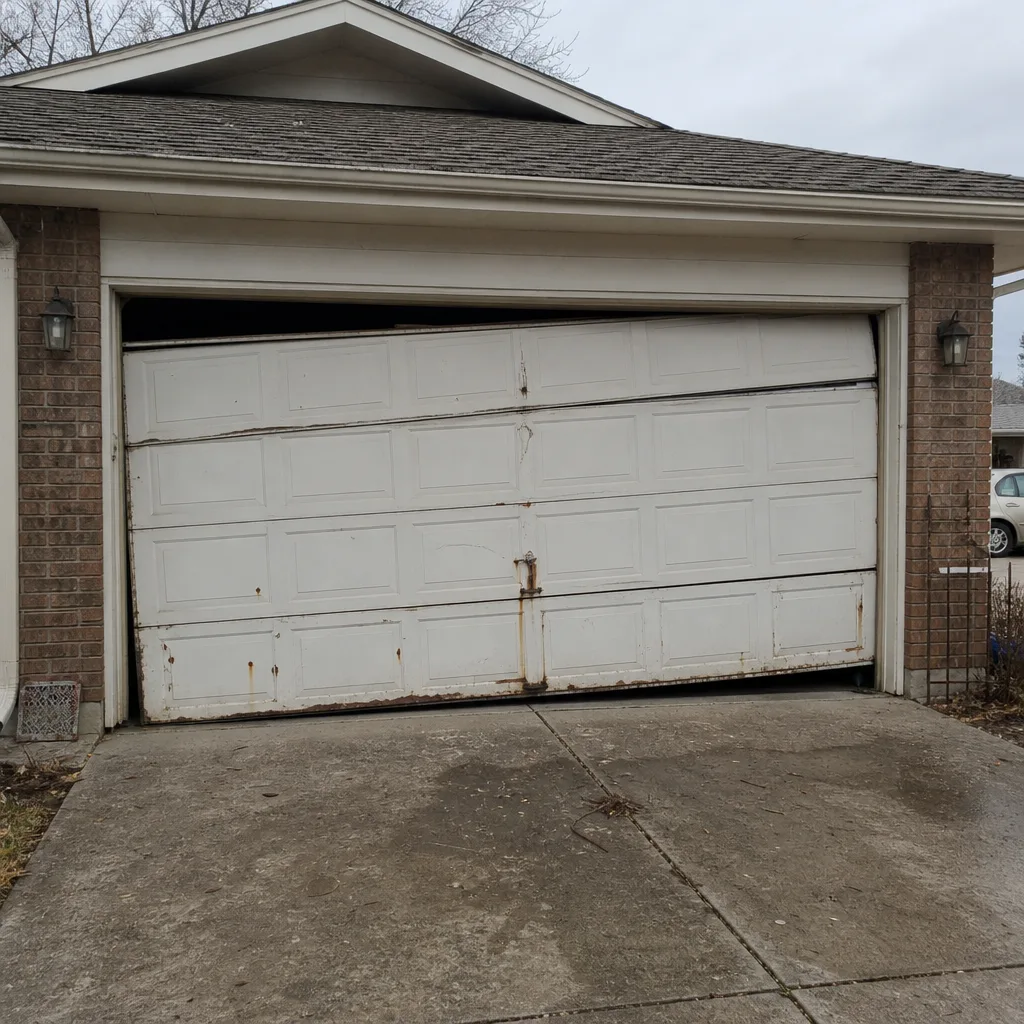 Before
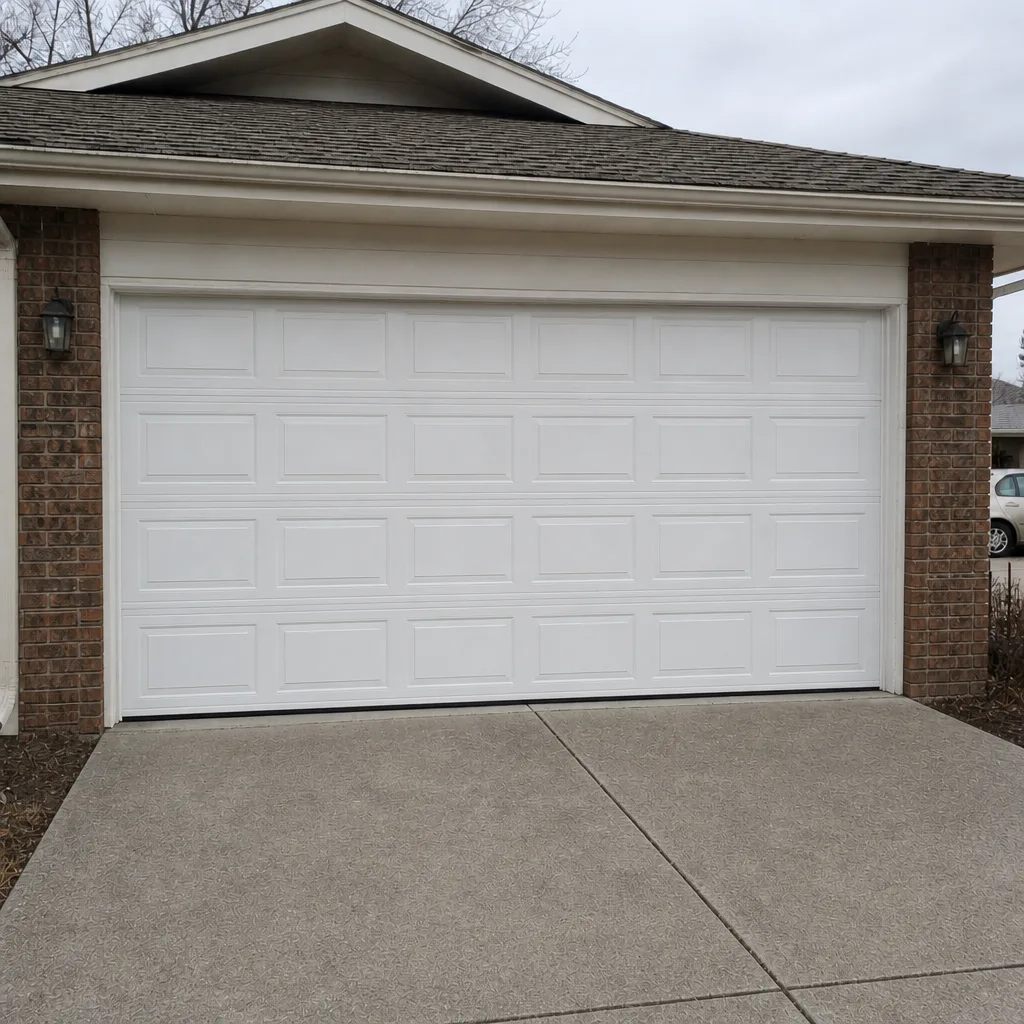 After
When to Call a Professional
Call a professional when the door is heavy to lift by hand, when you hear a bang from the garage, when the door reverses without a clear obstruction, when a cable looks frayed or loose, or when the door opens unevenly and shows a visible gap at the bottom. Also call when you’ve replaced a part and the problem remains, and when the opener hums but the door doesn’t move. Each of those points to a specific component that needs the right part and a trained hand.
Garage Door Repair Heather Gardens offers free estimates in Heather Gardens, and our technicians have up to 15 years of experience with the brands in most residential garages. If you’re not sure which category your problem falls into, that’s exactly what the estimate is for. Call (833) 958-8653 and we’ll help you narrow it down before anyone shows up.
Frequently Asked Questions
Garage door repairs in Heather Gardens typically run between $150 and $650, depending on which component has failed. Spring replacements, cable repairs, roller and track work, opener repairs, and panel replacements each sit in their own range. The written estimate is the price, agreed before work starts. Call (833) 958-8653 for an exact quote, since estimates are free.
We offer same-day service for repair calls when scheduling allows, and a broken spring is a repair we take seriously. Call (833) 958-8653 as soon as you notice the break and we’ll work to get a technician out. Don’t run the door in the meantime, since a broken spring can damage the opener and the tracks.
No. We quote and agree on the price before any work starts. If we find something unexpected once we’re into the job, we stop and talk to you before continuing, so there are no surprise charges at the end. The estimate you approve is the price you pay.
The local professionals we connect you with are licensed and insured as their state requires. Our technicians have up to 15 years of experience and are trained on the major residential brands, including LiftMaster, Chamberlain, Genie, Craftsman, Amarr, Wayne Dalton, and Raynor.
Cold temperatures shrink the steel in a torsion spring, which reduces the tension it holds. A door that lifted easily in summer can feel heavier in a Heather Gardens cold snap. If the door feels noticeably heavier than it did a month ago, that’s a spring losing tension, not a normal seasonal change. Have it checked before it breaks.
You can, and sometimes that’s the right call. But if both springs are the same age, the second one has been working just as hard as the first, and replacing only one usually means a second repair call in a few months. A matched pair is typically replaced together. The estimate spells out which approach fits your door.
The Bottom Line
Most garage door problems fall into one of six categories, and the fastest way to solve any of them is to match the symptom to the system before anyone touches a part. A noisy door is usually a roller. A heavy door is usually a spring. A reversing door is usually a sensor. In Heather Gardens, the temperature swings make spring failures the most common issue, and the bang of a snapped spring is one you don’t want to chase with lubrication. Know the category, do the safe checks, leave the springs and cables to a trained technician, and get a written estimate before work starts. That’s how a repair gets done once.
Ready to Get It Fixed?
If you’ve matched your symptom to a category and you know which system is failing, the next step is a free estimate. Call Garage Door Repair Heather Gardens at (833) 958-8653 and we’ll confirm the diagnosis, quote the repair, and get the right part on order if it’s not already on hand. Springs, cables, rollers, tracks, openers, panels, and full installations all fall under one call, and the price you agree on is the price you pay.
Written by the team at Garage Door Repair Heather Gardens.