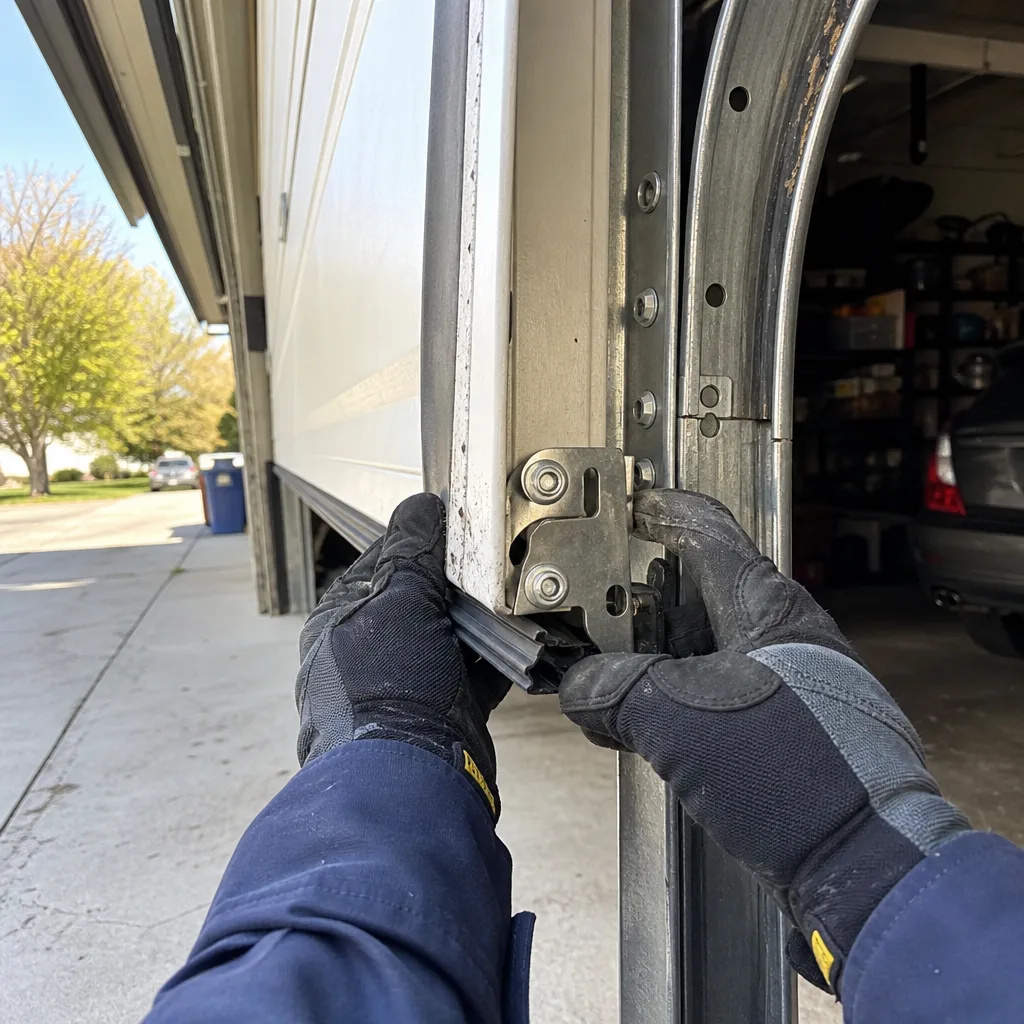
Last updated November 21, 2026
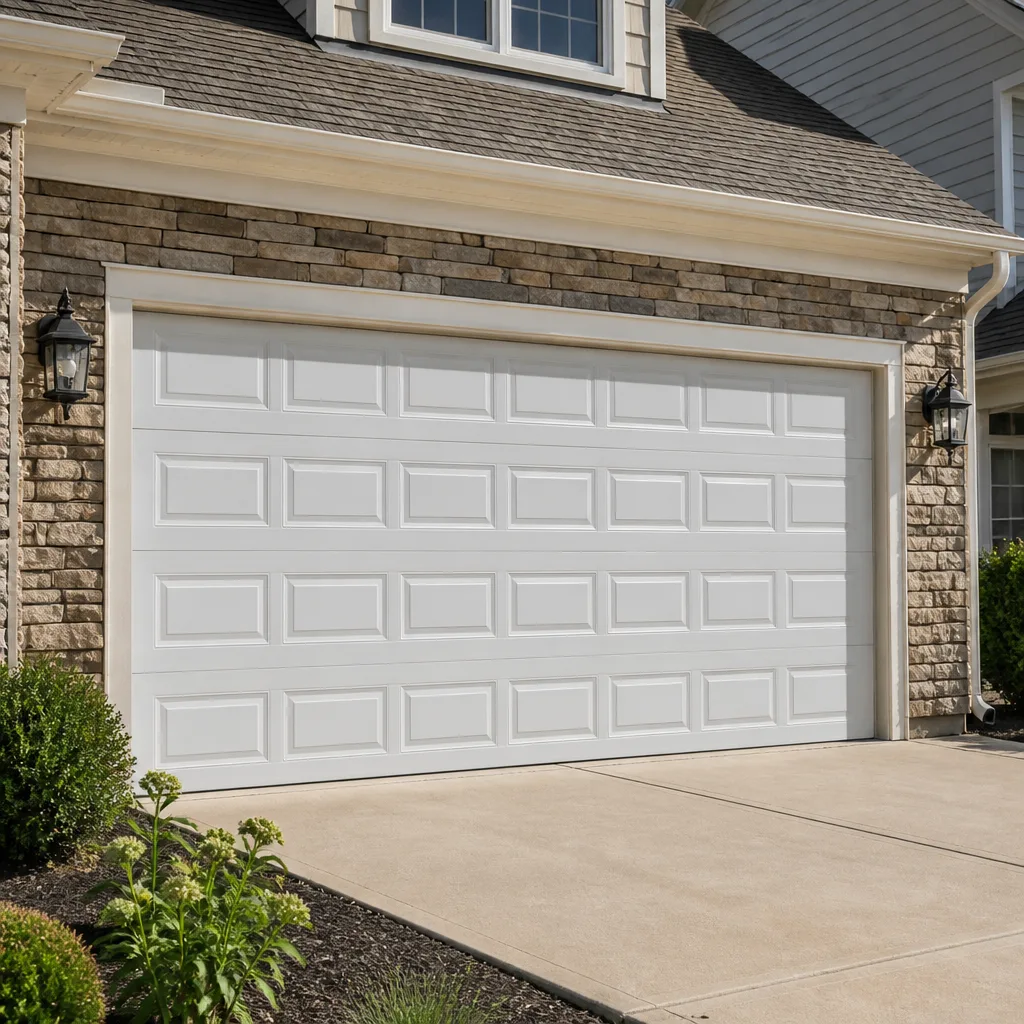 Raised-panel steel
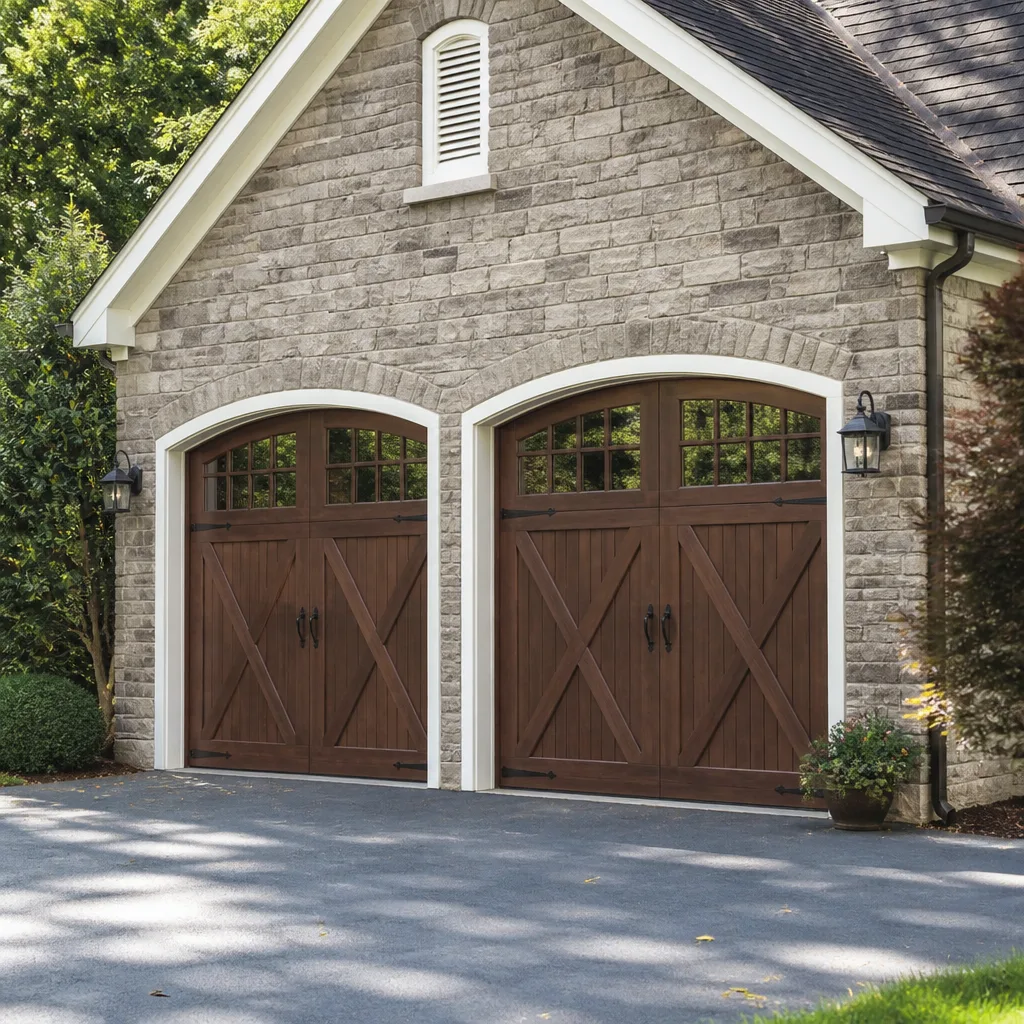 Carriage house
 Modern flush
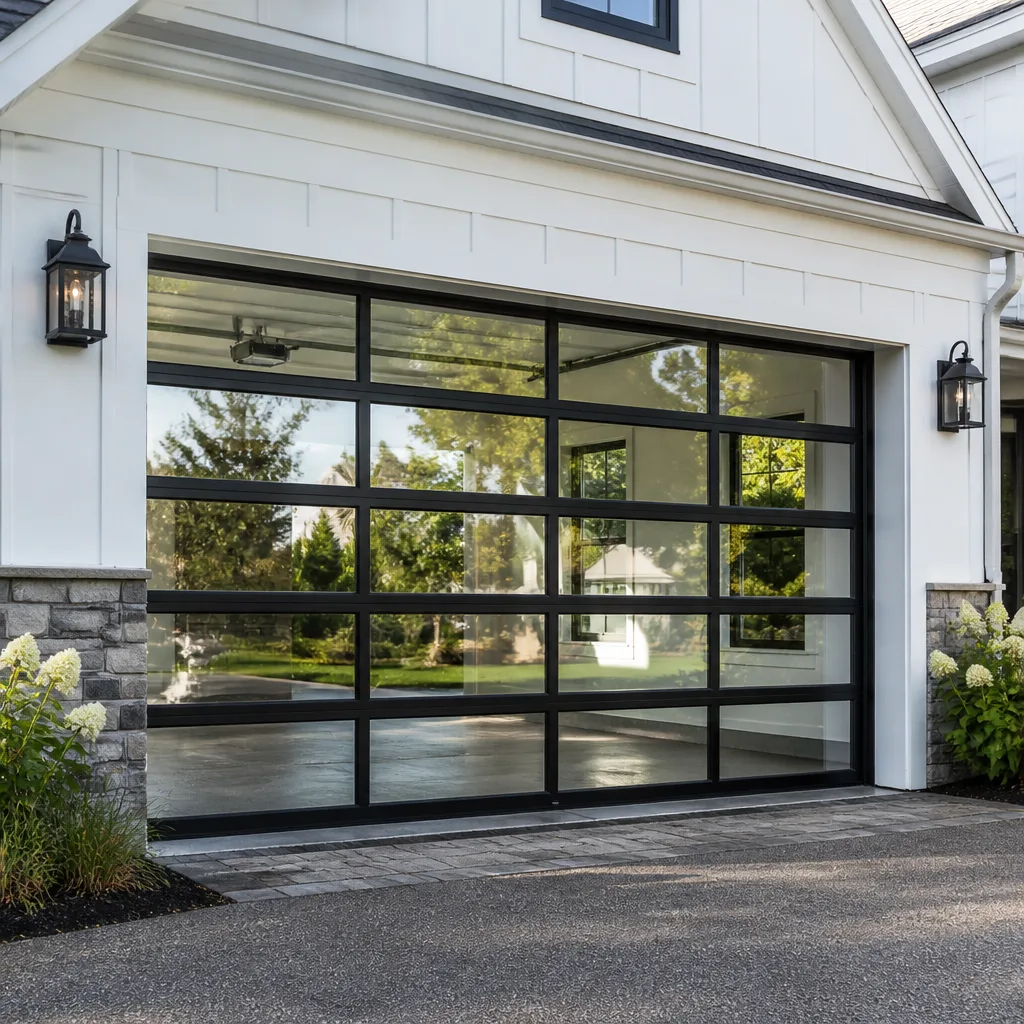 Full-view glass
 LiftMaster openers
 Chamberlain openers
Full 25-point door and opener safety check with every visit - springs, cables, rollers, tracks, and your LiftMaster or Chamberlain opener included
You get a price before we start. It does not change when the pro arrives.
Get your free estimateGarage Door Emergency Preparedness Guide for Heather Gardens Homes
When a torsion spring snaps, the door doesn’t become dangerous. It becomes very heavy. A 300-pound door held by nothing but the opener’s drive mechanism is under strain it wasn’t designed for, and the wrong instinct is hitting the wall button and trying to force it up. That’s how openers burn out, panels twist, and people get hurt. The right move takes about 90 seconds and doesn’t damage anything. In this guide we’ll walk through those first 30 minutes after a garage door fails: how to get your car out safely with a manual disconnect, how to tell a stable door position from an unstable one, what a snapped cable actually means, and what to have ready when you call for help. We’re writing it from Heather Gardens, where overnight spring failures are a familiar call.
Quick Answer
If a garage door fails in Heather Gardens, the safest first step is to stop pressing the opener, pull the manual release only when the door is fully closed or fully open, and keep people and vehicles away from a door that hangs at a partial height. A heavy door with a broken spring is not a door to test repeatedly. Write down the opener brand and door data tag, then call a trained technician before you attempt anything that involves springs or cables.
Styles & brands we work with
- Raised-panel steel
- Carriage house
- Modern flush
- Full-view glass
- LiftMaster openers
- Chamberlain openers
Table of Contents
- What to Do in the First 30 Minutes
- How to Get Your Car Out When the Opener Won’t Work
- A Door Stuck at Partial Open: Stable vs. Unstable
- What a Snapped Cable Means (and Why You Should Stop)
- Power Outage Protocol for Heather Gardens Weather
- What to Have Ready When You Call
- Preventive Checks That Actually Matter
- Common Mistakes to Avoid
- When to Call a Professional
- Frequently Asked Questions
What to Do in the First 30 Minutes
A garage door emergency is not the same as a plumbing leak or a flickering light. The mechanism stores energy. A torsion or extension spring under tension is the most dangerous component in the system, and a door standing partway open with a broken spring is a door that can drop without warning. Your first priority is to make the situation boring: nothing moving, nothing being pressed, nothing being forced.
Here’s the sequence most homeowners should follow in order. It works whether the problem is a snapped spring, a dead opener, a door off its track, or a cable that has let go on one side.
- Step away from the door and clear the area. Keep children and pets back, and don’t park a second car under a door that is hanging anywhere other than fully closed or fully open.
- Stop pressing the opener. Every press puts more stress on a mechanism that has already failed. If the door won’t move on the first try, stop.
- Look before you touch. Shine a phone light on the springs above the door. A visible gap in a torsion spring, or an extension spring that has visibly lengthened, tells you the door is no longer counterbalanced.
- Check the power. Any opener connected to a standard wall outlet will be off after a power loss. Check that the outlet is live before you assume the machine has failed. This is a common call in Heather Gardens after a storm rolls through and the door is the only thing that won’t respond.
- Decide whether you need the car out now. If you do, follow the manual disconnect procedure below. If you don’t, leave the door alone and call.
- Gather the door and opener details so the call is short and the right parts can be sourced quickly. Details are covered later in this guide.
None of that involves tools or reaching into the mechanism, and that’s the point. The first 30 minutes of a garage door failure are about not making things worse. Fixing is a separate job. If you want to understand what actually causes these failures in detail, our garage door repair page covers the common breakdowns we see on Heather Gardens doors.
How to Get Your Car Out When the Opener Won’t Work
You can manually release almost any residential garage door from the opener without tools, and that procedure is the single most useful thing to know before an emergency happens. It lets you pull the car out, close the door by hand if the door is still balanced, and keep your day moving while a repair is scheduled.
The manual release is usually a red cord or handle hanging from the trolley where the opener arm meets the door. Pulling it disconnects the door from the opener’s drive so the door can be moved by hand.
- Confirm the door is not the issue. If a spring is broken or a cable has snapped, do not attempt this. The door is not counterbalanced and it is not safe to move by hand. Skip to calling for service.
- Close the door first if it is up. Pull the release with the door fully closed. A door released at half-height can slam down.
- Pull the release cord straight down and let go. You’ll hear the trolley click free. The door is now disconnected from the opener.
- Lift the door slowly by hand using the handle at the bottom center. A properly balanced door should lift with modest effort and stay wherever you leave it.
- Stop lifting if the door feels very heavy or won’t stay up. That’s a sign of a broken spring, a worn cable, or a door that has lost balance. Lower it fully and call.
- Reverse the process. With the door fully closed, pull the release cord again and push the trolley back toward the opener until it clicks in. Test the opener at the wall button before you walk away.
If you try that and the release won’t budge, don’t force it. Binding trolleys and seized releases are common on older doors, and forcing the mechanism can cause damage that goes beyond the original problem. For help with openers specifically, including the LiftMaster and Chamberlain units that show up most on Heather Gardens doors, our garage door opener repair team can take a look.
A Door Stuck at Partial Open: Stable vs. Unstable
A door frozen at a partial height is not automatically dangerous, but it isn’t automatically safe either. What matters is whether the door is resting in a stable position or being held in an unstable one. A door held up by nothing but the opener’s drive train, with a spring gone, is in the unstable category. A door partly open because the opener stopped mid-cycle but still has spring tension behind it is a different situation.
Signs a door position is unstable
- The door can be pushed down by hand with very little effort.
- A visible gap in the torsion spring above the door, or an extension spring that has stretched far beyond its normal length.
- One side of the door is higher than the other, or a cable is drooping or off a drum.
- A high-pitched popping, creaking, or grinding when the opener was last pressed.
If any of those apply, do not prop the door, and do not walk a vehicle under it. Keep it in the position it is in, put a piece of painters tape or a warning sign where it can be seen, and call for help. Trying to wedge a door in an unstable position is how serious injuries happen.
What to do with a stable partial-open door
If the door is sitting where it stopped and won’t move further but feels firm, you can safely lower it to the closed position by hand using the bottom handle. Lower it slowly and fully. Once closed, cover the opener’s power by unplugging it, and call. Closing the door returns the home to a secure state, which matters if the garage connects to the house.
We’ve seen doors in Heather Gardens sit half-open for a full day while the homeowner waits for parts, and each press of the wall button while it’s sitting there adds wear that a technician then has to fix. When a door is stuck, treat it as furniture: leave it where it is until someone qualified arrives.
What a Snapped Cable Means (and Why You Should Stop)
A snapped lift cable on one side of the door is one of the situations where doing more makes things much worse. The lift cables are what keep the two sides of the door moving in sync. When one lets go, the door is being pulled by one side only, and every additional lift or close stroke twists the panels and drags the door against the vertical tracks.
Common signs of a snapped or derailed cable include a loud bang from the garage, a door that has dropped sharply on one side, a loop of cable visible near the bottom corner of the door, or the door quitting mid-cycle and refusing to move.
- Do not press the opener, even once. Every stroke bends panels further and can tear a track loose from the framing.
- Do not lift the door by hand to check whether it will still open. With one side free, the door can twist and come off the track.
- Keep the door in place where it is, or lower it slowly by hand if it is close to closed. Do not push it up.
- Clear anything fragile that a dropping door could hit, and keep people out.
- Call for service and mention that you suspect a cable failure. Cable and spring work is not a job for anyone who has not been trained on the mechanism. A section can come off a drum under tension and cause a serious injury.
Cable jobs are directly tied to spring jobs on the same visit, because a snapped cable is often the second casualty of a broken spring. If a technician inspects one, they should look at the other. We list spring work as its own core service precisely because it is the highest-risk job in the trade: spring repair done safely is the whole point of that specialization, not a slogan.
Power Outage Protocol for Heather Gardens Weather
Colorado Front Range storms, high winds, and the late-winter snow events common around Heather Gardens can knock power out for hours. When the lights come back on but the garage door doesn’t, homeowners sometimes panic and start dismantling the opener. The problem is usually simpler than that: the opener’s battery backup has drained, the door was left disconnected from the trolley during the outage, or a surge tripped the wall outlet the opener is plugged into.
Power-outage checklist
- Check the opener plug and outlet. A surge strip or GFCI outlet can trip after a storm. Plug a lamp into the opener outlet to test it.
- Look at the opener’s safety sensors. A blinking sensor LED is a common post-outage complaint, and it keeps the door from closing. Wipe the lenses and check that nothing is blocking the beam.
- Reconnect the trolley if the door was manually released during the outage. Pull the release cord again with the door fully closed and push the trolley toward the opener until it clicks.
- Reset the wall button by pressing it once with the door in view, then watching for the opener’s light and any flashing diagnostic pattern.
- If the opener won’t respond after all of that, call. A blown opener motherboard or drive gear from a surge is not a homeowner-level repair, and continuing to press the button can finish off an opener that was only mildly damaged.
If your opener has a battery backup, charge it by keeping the opener powered once the outage is over. A drained battery is not a permanent failure, but it does mean the next outage will leave the door unresponsive unless you connect and lift the door manually. For the Genie and Chamberlain models we see in Heather Gardens, the reset procedure is usually printed on a label inside the light cover.
One more thing about outages: if your home security depends on knowing the garage door is closed, treat the door as closed only after you’ve physically checked it. The MyQ and similar apps on LiftMaster and Chamberlain units can lose their reporting during a brief outage, and they’ll reconnect without necessarily reflecting the door’s true position.
What to Have Ready When You Call
The single biggest factor in how fast a garage door emergency is solved is the information you give on the call. A technician who knows the door brand, model, opener brand, and approximate door size before arriving can often bring the right parts and finish in one visit. A vague call (“the door is broken”) usually means at least one return trip. We know what’s wrong before we guess, and that starts with what you tell us.
Here is the information to gather. Most of it is printed on metal tags or stickers.
- Opener brand and model number. Printed on a label on the back or underside of the opener motor housing. The brand names we work on regularly include LiftMaster, Chamberlain, Genie, and Craftsman.
- Door brand. Usually on a sticker inside the door at one end, or on the bottom section. Clopay, Amarr, Wayne Dalton, and Raynor are common in Heather Gardens.
- Door type and size. Single-car or two-car, sectional or one-piece, wood, steel, or aluminum. Measure the width if you can.
- Spring type. Torsion springs are mounted on a bar above the door. Extension springs are two long springs along the horizontal tracks. A quick photo of the spring area helps.
- Symptoms in detail. “Door won’t open at all” is different from “door opens six inches and stops” or “door opens but won’t close.” Each one narrows the diagnosis fast.
- Any recent noises or changes. A bang, a pop, a grinding sound, or a door that started getting harder to lift are all clues.
A smartphone photo of the data tag and the door from inside, sent to the scheduling number, can save a return visit. If you’d like to see how a typical repair visit goes, or need a free estimate quickly, call (833) 958-8653. Estimates are free and the price is agreed before any work starts.
Preventive Checks That Actually Matter
Most garage door emergencies are not truly emergencies. They’re failures that were building up for weeks. A spring that’s near the end of its service life, a cable with a frayed strand, an opener drive gear that’s wearing down: all of those announce themselves before they fail, if anyone is looking. A ten-minute visual check twice a year catches most of them.
- Look at the springs. A thin coat of surface rust is fine. A visible gap in a torsion spring, or an extension spring with stretched coils, means the spring is on its way out. Have it inspected before it fails.
- Check the cables. Look at the cables running down each side of the door. Any fraying, kink, or dangling end means stop using the door and call.
- Balance the door. Disconnect the opener (door closed, pull the release), lift the door to about waist height, and let go. A balanced door stays put. A door that sinks means the springs are losing tension.
- Test the safety sensors. Wave an object through the beam in front of each sensor while the door is closing. The door should reverse. If it doesn’t, the sensors need adjustment.
- Check the rollers and hinges. Wobble or grinding usually means a worn roller. Worn rollers accelerate track wear.
- Look for track damage. A dented or misaligned vertical track puts strain on the door on every stroke and eventually pops a cable.
If any of that raises a flag, book an inspection. If you’re thinking further ahead and your door is near the end of its service life, our page on garage door installation explains how to think about replacement versus repair. Starting with our main Garage Door Repair Heather Gardens service page is a good way to see the scope of what we handle.
Common Mistakes to Avoid
These are the patterns we see most often, many of them after a homeowner has already made the problem worse.
- Forcing the door up or down by hand. Homeowners sometimes try to “help” the door while the opener is running. If a spring is broken, this can let gravity take the door down. Never push or pull a non-functioning door while the opener is engaged.
- Repeatedly pressing the wall button. If the door didn’t open on the first press, it won’t on the fifth. Each press puts more stress on the opener drive and can finish off a gear that was still salvageable.
- Reaching into the spring area or trying to adjust the torsion bar. A torsion spring is under hundreds of pounds of tension. Turning a winding bar wrong is how serious injuries happen. Leave it to a trained technician.
- Pulling the manual release with the door up. Releasing the trolley while the door is at partial or full height, especially with a broken spring, lets the door drop. Always release with the door fully closed.
- Assuming the opener is the problem. Many “opener failures” in Heather Gardens turn out to be a broken spring, a dead safety sensor, or a tripped outlet. Replacing the opener without diagnosing the door first wastes money.
- Ignoring warning signs. A grinding noise, a door that gets harder to lift, a spring that’s losing lift-ability: all of those are early warnings. Waiting for a total failure usually costs more, and it always happens when you’re in a hurry.
- Calling a general handyman for a spring or cable. Springs and cables are not general repair items. Use a technician who works on garage doors specifically and who carries the correct parts for your door’s brand.
See the difference
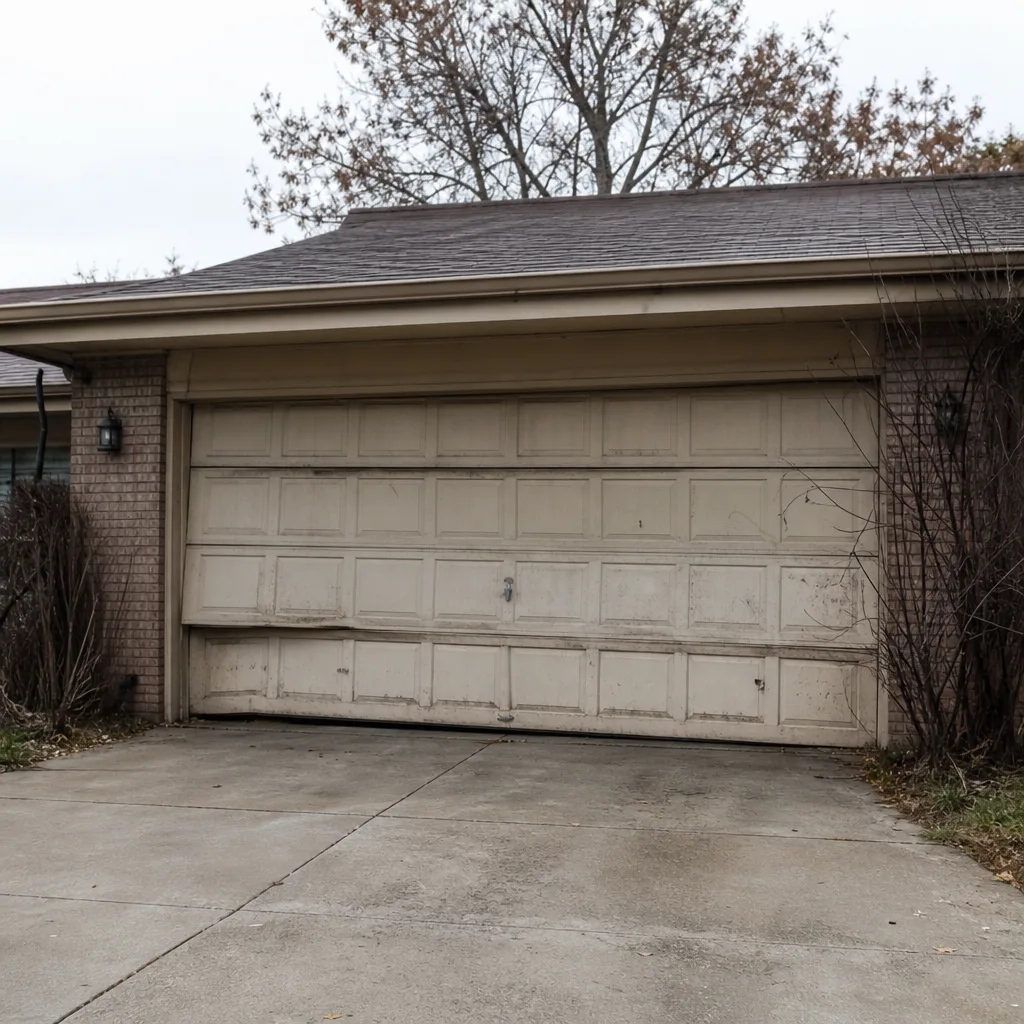 Before
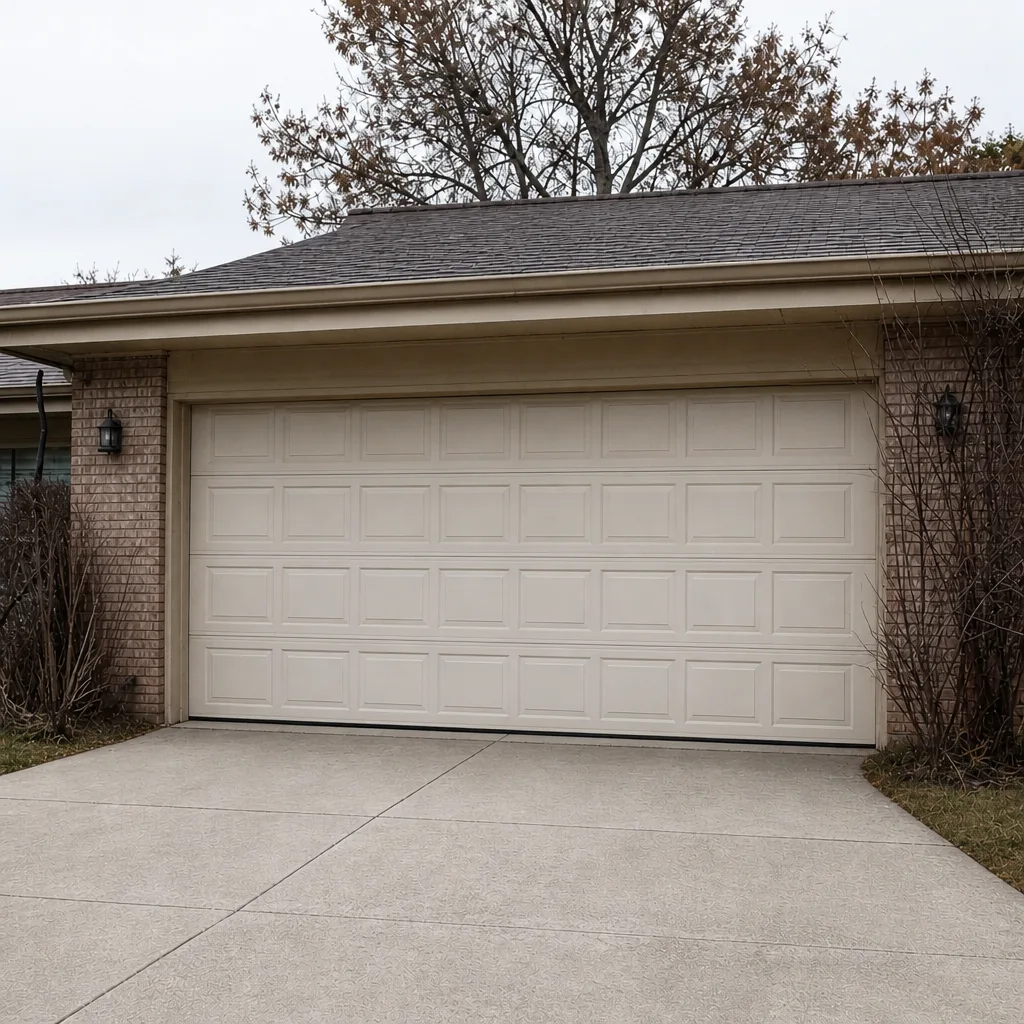 After
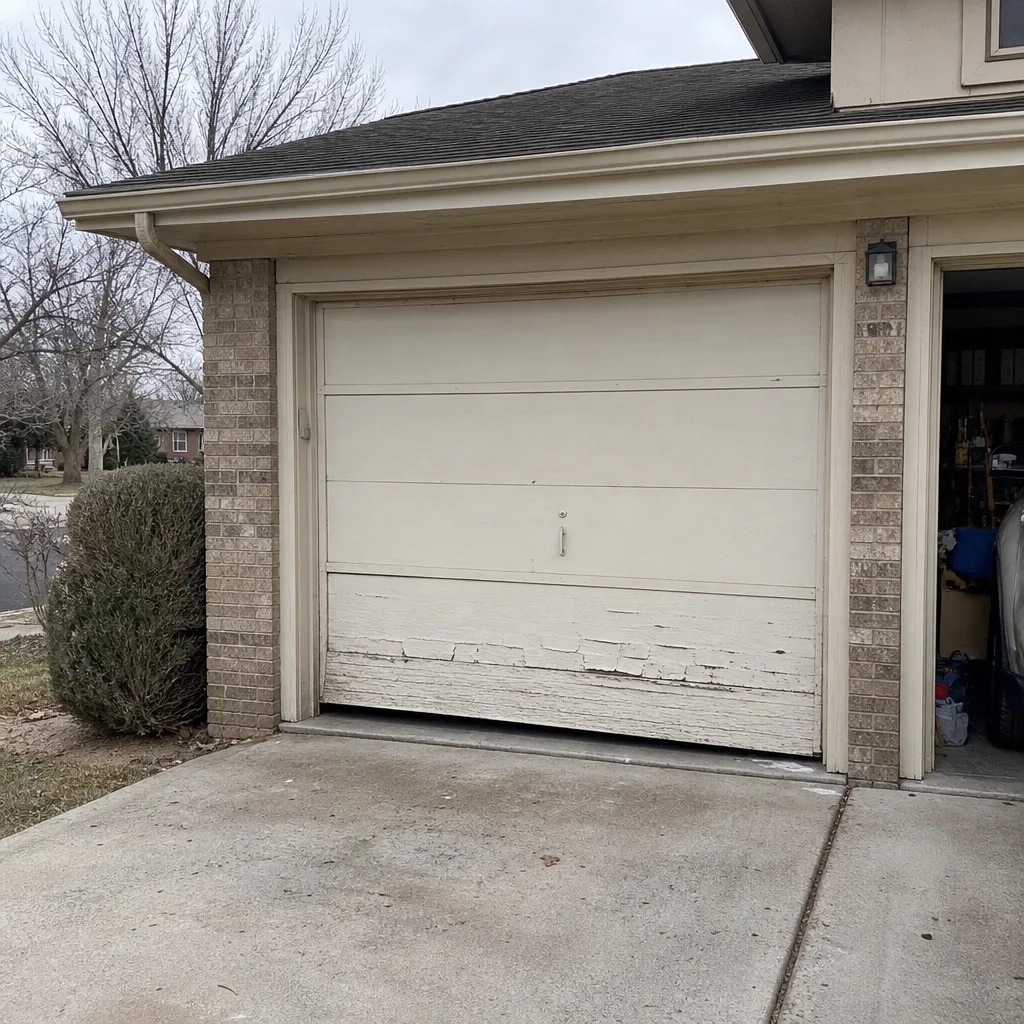 Before
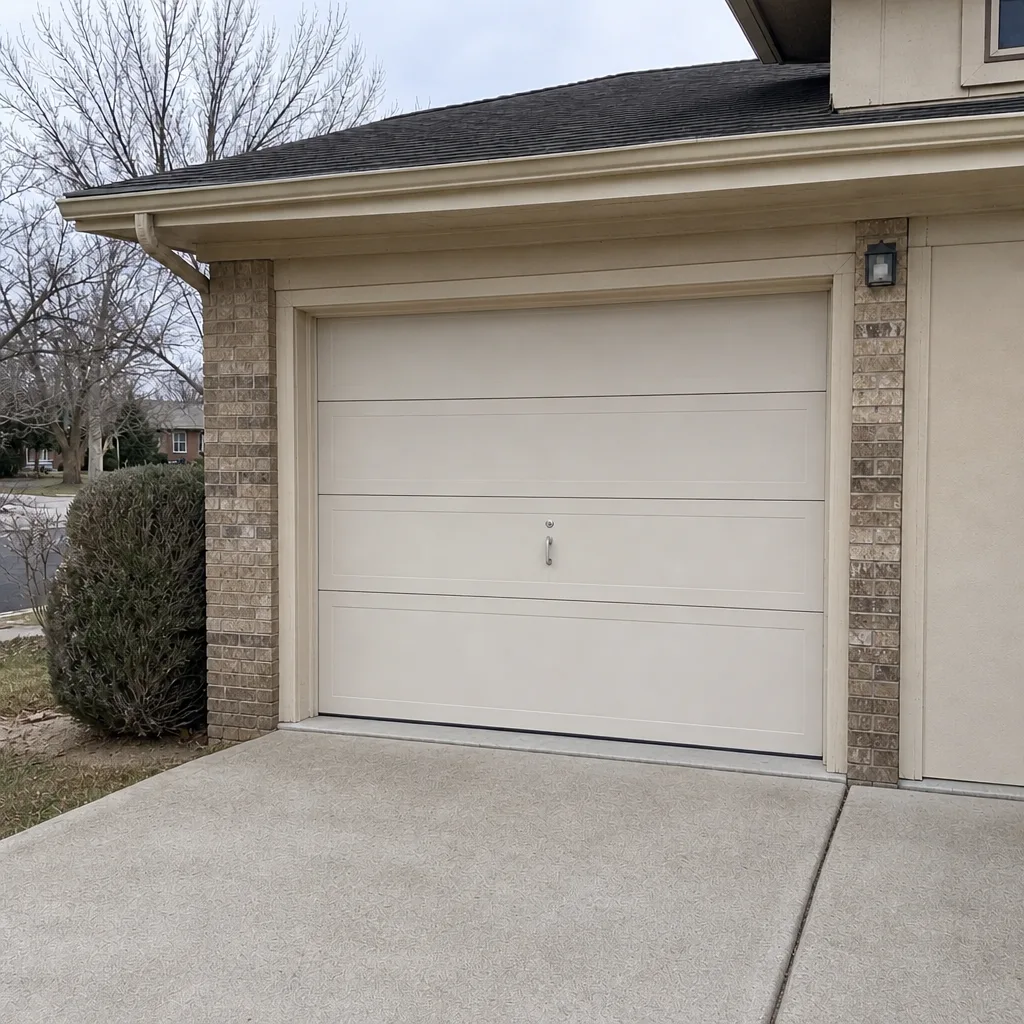 After
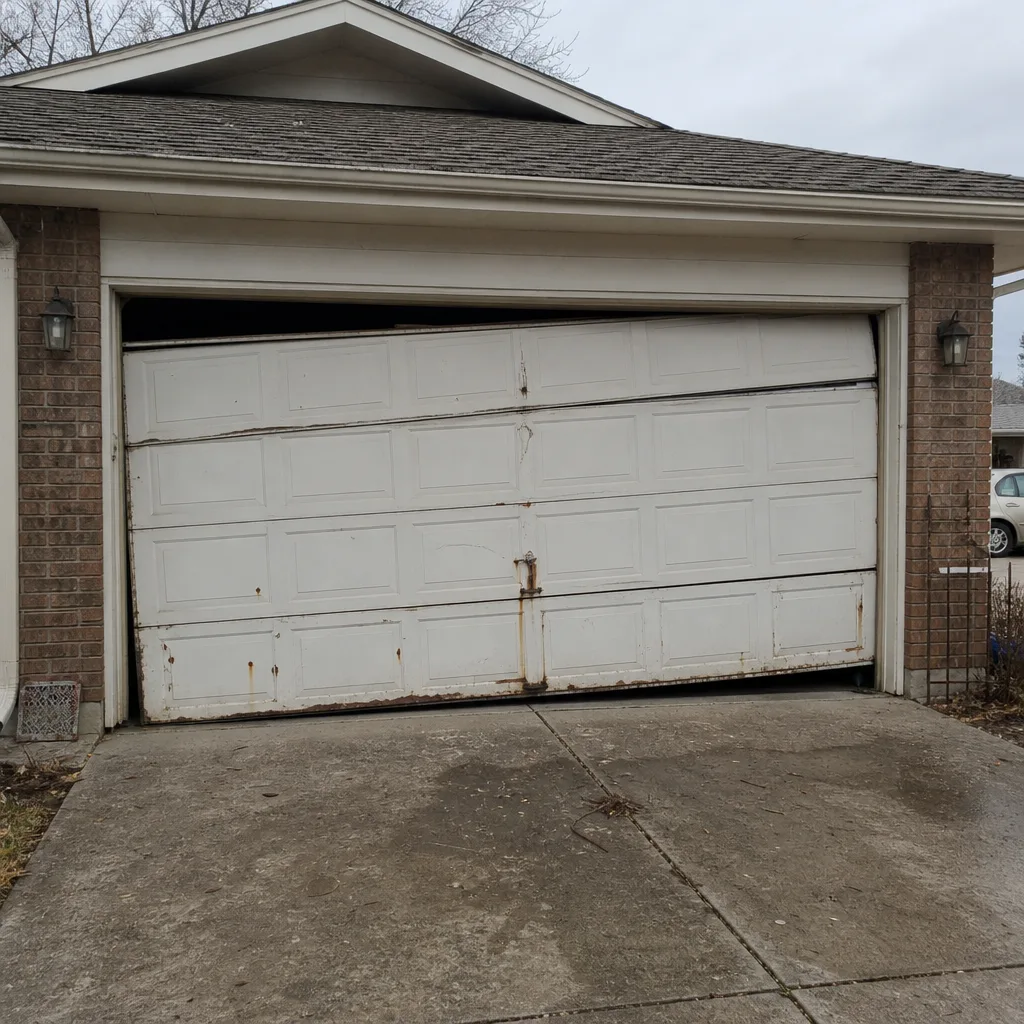 Before
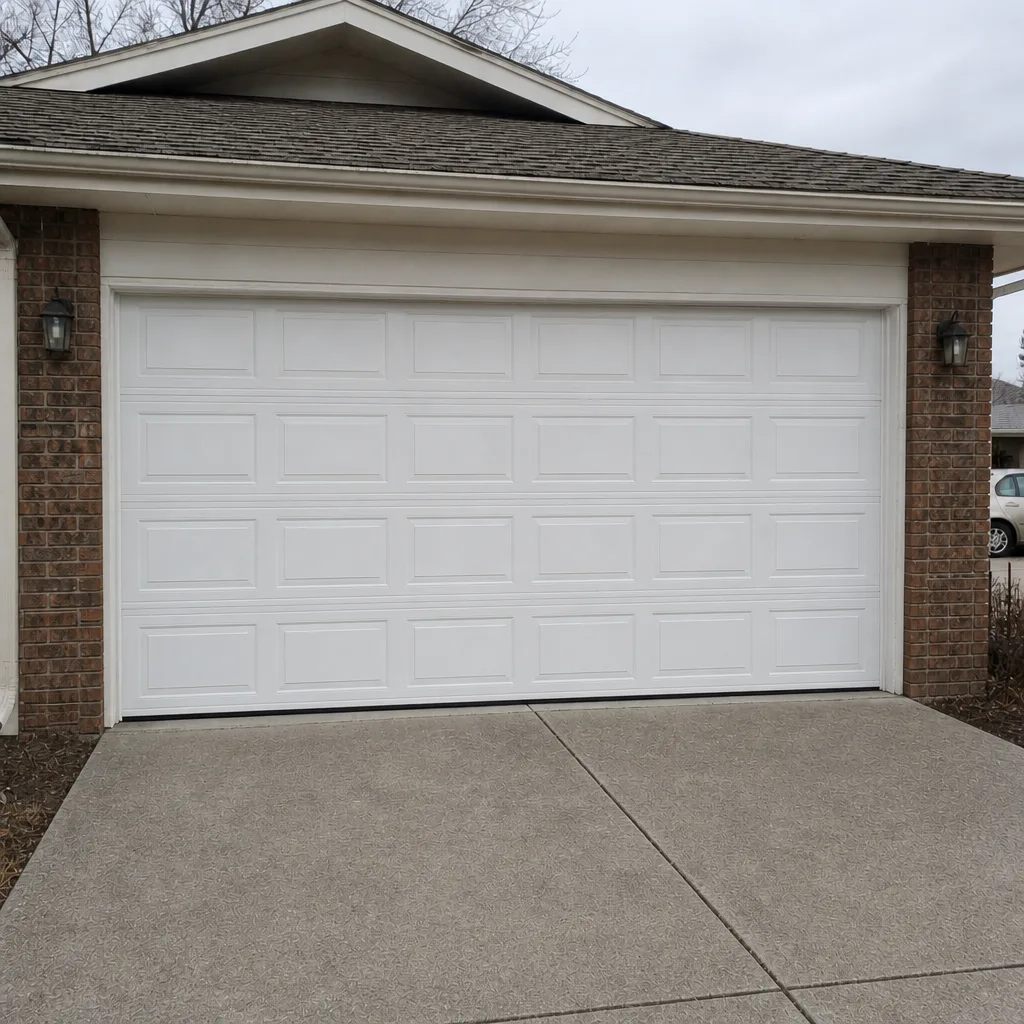 After
When to Call a Professional
Call a professional garage door technician if any of these apply: a broken spring (visible gap or snapped coil), a snapped or derailed cable, a door that has come off its track, a door that has begun to sag or drop unevenly, an opener that has started to grind or won’t respond after a power check, or any situation where the door is holding itself in a partial position and won’t move. Also call if the door feels heavier than usual when you lift it by hand, or if the safety reverse test fails.
If the door is simply stuck and it’s a nuisance but nothing has visibly failed, an inspection is still a good idea. Springs do not last forever, and a technician with the right gauges and tools can measure remaining life in a few minutes. Our technicians have up to 15 years of experience and work across the major brands on Heather Gardens doors today. Garage Door Repair Heather Gardens offers free estimates in Heather Gardens – call (833) 958-8653.
Frequently Asked Questions
Stop pressing the opener, clear the area under the door, and do not try to lift the door by hand. A door with a broken spring is not counterbalanced, and the opener cannot safely hold it. Write down the door and opener model numbers and call a trained technician. We work on springs as a core service, which is the safest way to handle that job.
Yes, but only if the door is balanced and no spring or cable has failed. Pull the manual release cord with the door fully closed, lift the door slowly by the bottom handle, and stop if it feels too heavy or won’t stay up. If it does feel heavy, that’s a spring or cable problem and you should call.
Every job is priced from a written estimate after a technician looks at the door, and the price is agreed before any work starts. The estimate depends on the failed part, the door brand, and whether the door is off-track or damaged. We don’t quote over the phone for a door we haven’t seen. Call (833) 958-8653 for a free estimate and an upfront price.
Do not prop a door that is sitting at partial height. If the spring has failed or a cable has snapped, the door can drop without warning. Leave the door exactly as it is, keep people and vehicles clear, and call. If the door still has spring tension and lowering it feels controlled, bring it fully closed by hand and then call.
Yes, and it helps a lot. Knowing whether you have a LiftMaster, Chamberlain, Genie, or Craftsman opener lets the technician bring the right parts on the first visit. The model number is on a label on the back or underside of the motor housing. The same goes for door brands like Clopay and Amarr.
If the door is fully closed and nothing is visibly broken, you can usually wait. If the door is stuck open or hanging at partial height, the home isn’t secure and the door is a hazard, so call for service right away. If you can safely bring it fully closed by hand, do that first, then call.
The Bottom Line
Most garage door emergencies are survivable with a level head and no tools. Stop pressing the opener. Clear the area. Check the power. Decide whether the door is balanced and stable before you try the manual release. Never reach into a spring or cable, and never lift a door that has lost its spring tension. The parts warnings and prep details in this guide exist so the first 30 minutes of a failure cost you time but not damage, and so the technician who arrives can finish in one visit. If you need a hand in Heather Gardens, our team is ready to help.
When a door won’t open, a spring has snapped, or a cable has let go, the fastest way to get back to normal is a call. Garage Door Repair Heather Gardens handles repair, opener service, spring repair, parts, and new installations for homeowners across Heather Gardens. Our technicians have up to 15 years of experience, we work on the brands you already own, and we quote a written price before any work starts. Call (833) 958-8653 for a free estimate.
Written by the team at Garage Door Repair Heather Gardens.