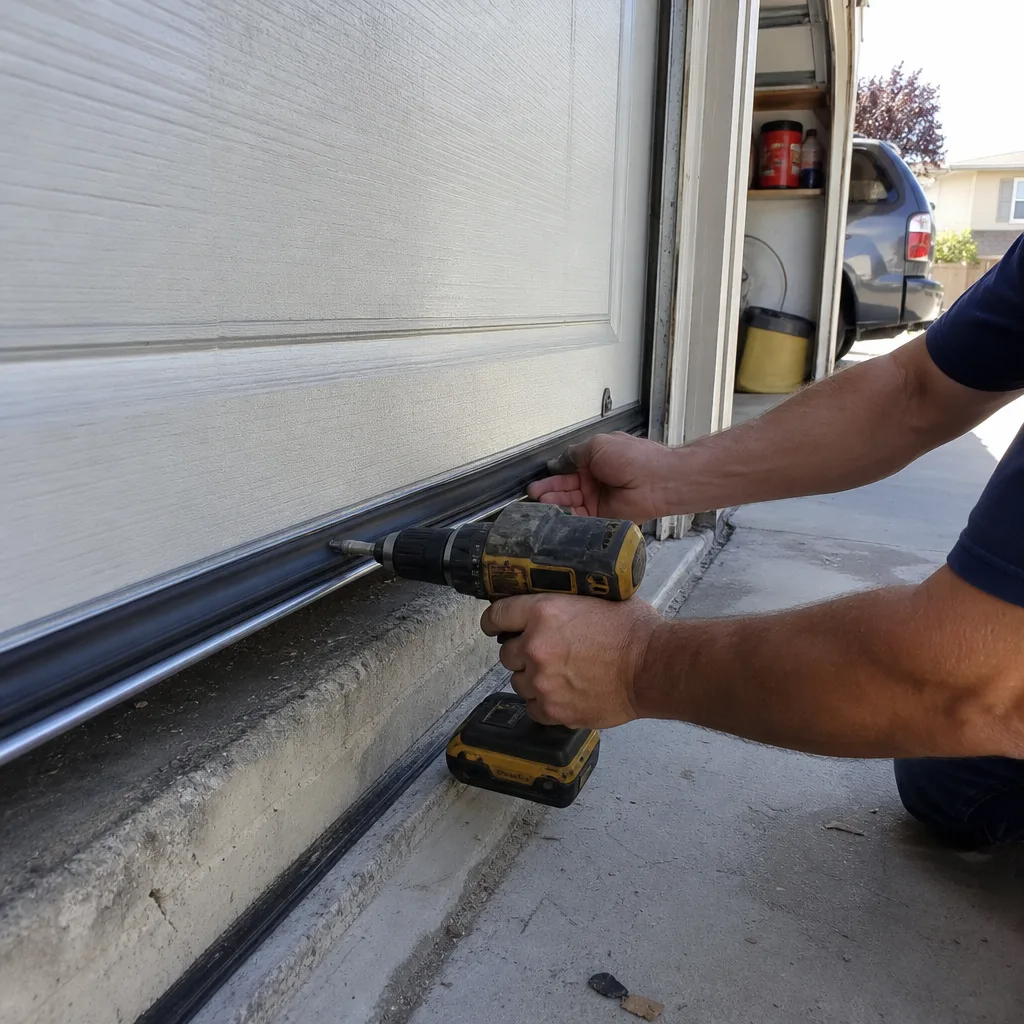
Last updated November 21, 2026
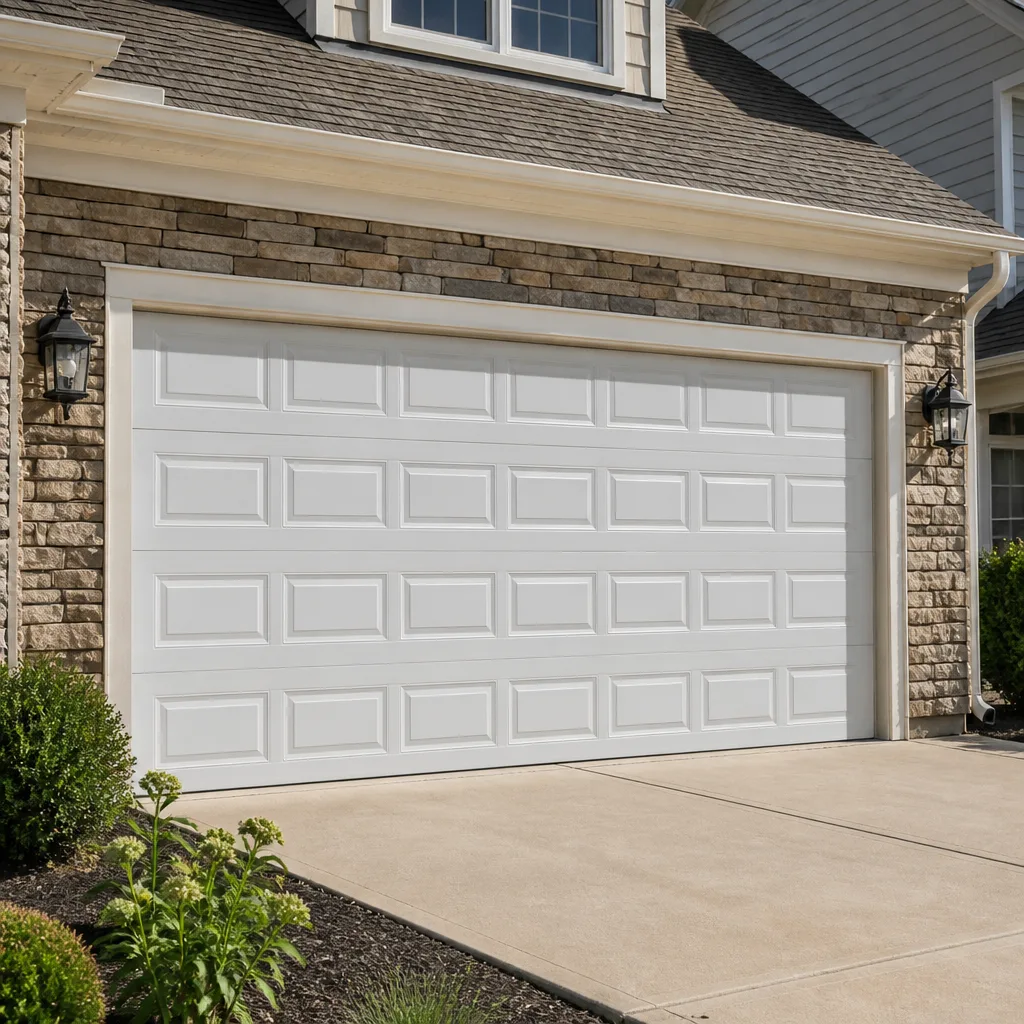 Raised-panel steel
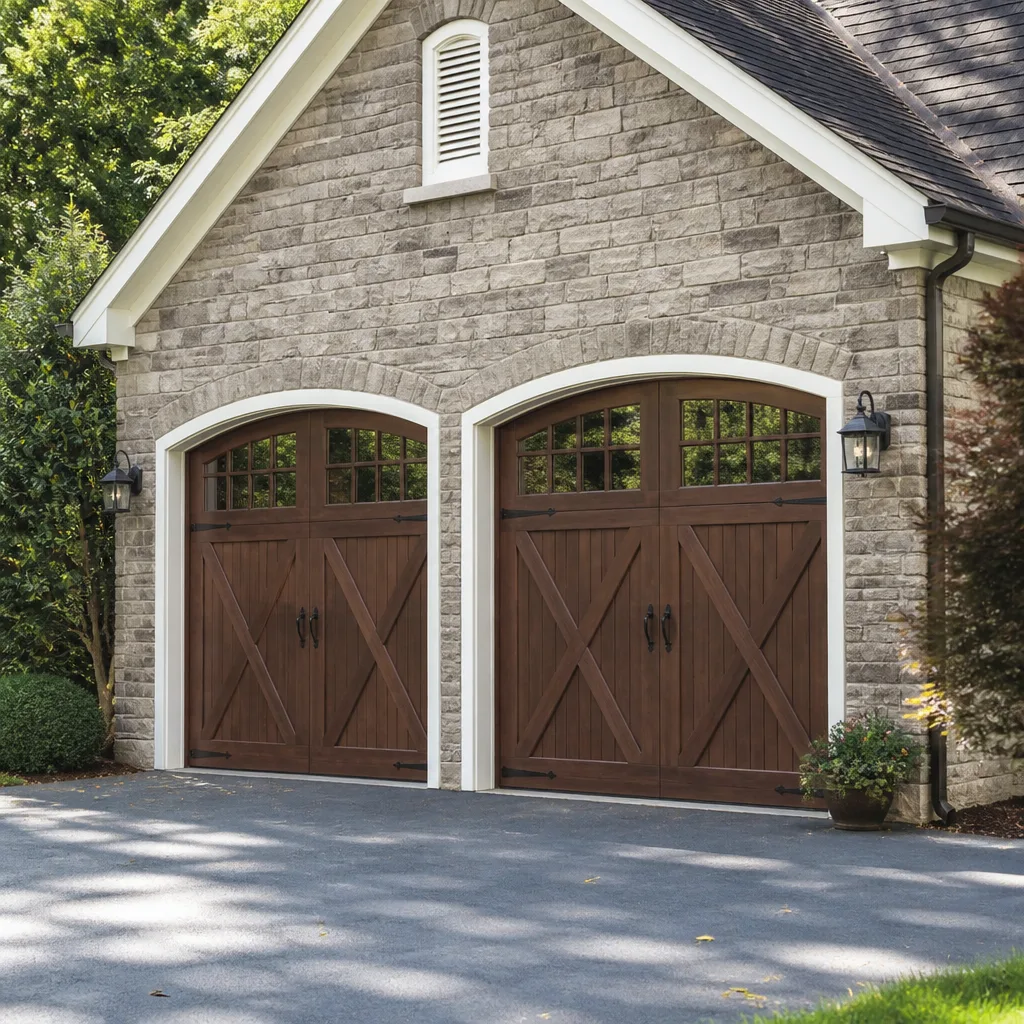 Carriage house
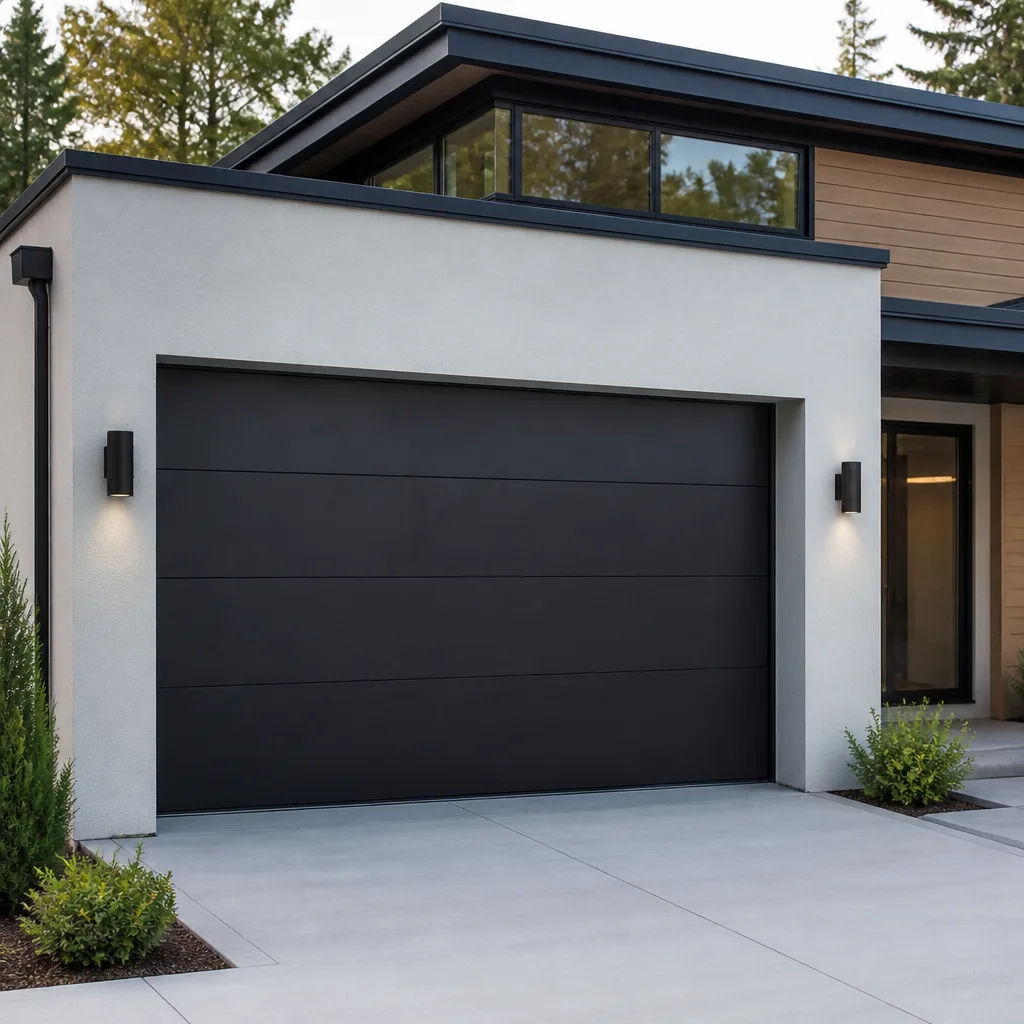 Modern flush
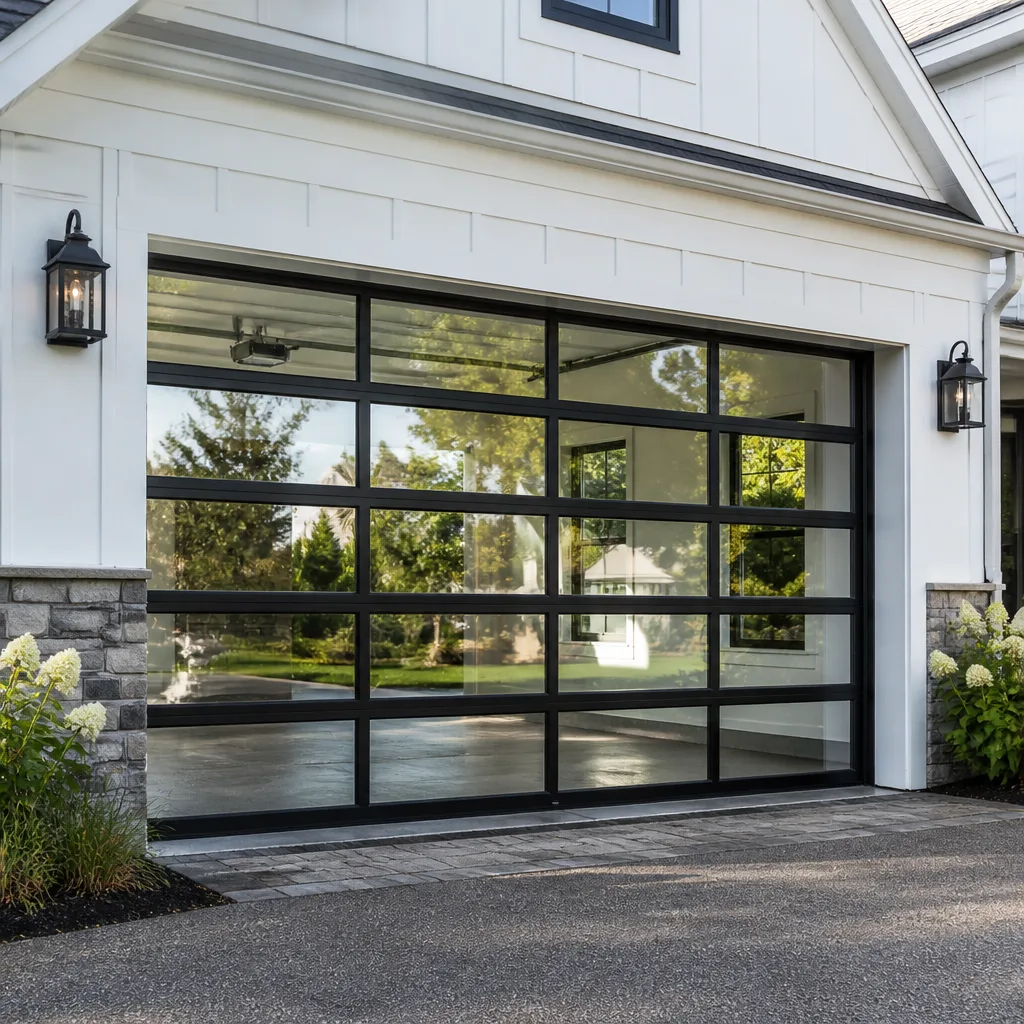 Full-view glass
 LiftMaster openers
 Chamberlain openers
Full 25-point door and opener safety check with every visit - springs, cables, rollers, tracks, and your LiftMaster or Chamberlain opener included
You get a price before we start. It does not change when the pro arrives.
Get your free estimateSeasonal Garage Door Care for Heather Gardens: Year-Round Homeowner’s Guide
Most garage door advice treats winter as the enemy and the rest of the year as maintenance-free. In Heather Gardens, that gets the risk backwards. Colorado doesn’t ease from season to season; it stacks sharp temperature swings, intense high-altitude sun, and repeated freeze-thaw cycles on specific components at specific times of year. The part that strands a car at 7am usually started failing months earlier, quietly, during a week when the weather looked fine. This guide maps each season to the parts most likely to give out, so your maintenance is targeted instead of generic. You’ll learn what to check, when to check it, and what genuinely belongs in the hands of a trained technician.
Quick Answer
Garage door care in Heather Gardens should follow the actual Colorado weather pattern, not a generic annual checklist: inspect and balance-test in spring when thermal swings stress torsion springs, protect door skins and seals from summer UV at elevation, tighten weatherseals and threshold gaps before the first hard freeze, and lubricate moving parts before the cold sets in. Spring repair and anything involving a torsion spring under tension is professional work. Our technicians have up to 15 years of experience, and estimates are free.
Styles & brands we work with
- Raised-panel steel
- Carriage house
- Modern flush
- Full-view glass
- LiftMaster openers
- Chamberlain openers
Table of Contents
- Why Colorado’s Seasons Hit Your Door Differently
- Spring: The Highest-Risk Season for Torsion Springs
- Summer: UV and Heat at Heather Gardens Elevation
- Fall: Seals, Gaps, and Heat Loss Before the Freeze
- Winter: Frozen Seals, Floor Ice, and Cold-Weather Operation
- The Fall Lubrication Schedule That Follows the First Freeze
- A 60-Second Monthly Check for Any Season
- Parts, Brands, and Knowing What’s Wrong Before the Guess
Why Colorado’s Seasons Hit Your Door Differently
A garage door isn’t one object; it’s a system of springs, cables, rollers, hinges, panels, and a seal, each reacting to weather on its own timeline. In a mild climate, those components age slowly and predictably. Along the Front Range, they don’t get that courtesy. A single April week can swing from 70°F afternoons to overnight lows in the teens. Metal expands and contracts across that range, and every one of those cycles works the torsion spring a little harder than a steady temperature would.
Heather Gardens sits at elevation, which adds two pressures most garage door checklists ignore. The first is sun intensity: thinner atmosphere filters less UV, so anything facing west or south takes a harder hit than the same material would at sea level. The second is dry air. Low humidity dries out wood composite, stiffens vinyl, and pulls weather seals away from the frame sooner than you’d expect.
That combination means the seasonal maintenance question isn’t “is it hot or cold?” It’s “which component is under stress right now, and what’s the failure mode?” Here’s the rough map:
- Spring: torsion spring tension, balance, and cable wear.
- Summer: UV degradation of door skins, seals, and finish.
- Fall: weatherseal gaps, threshold fit, and lubrication before the cold locks things up.
- Winter: frozen seals, floor ice, brittle lubricant, and cold-stiffened openers.
We’ve seen every one of these play out across Heather Gardens’ garages, and the pattern holds whether the door is a Clopay steel model or a Wayne Dalton wood composite. Same climate, same stress points. Read the season, and you’ll know what to look at.
Spring: The Highest-Risk Season for Torsion Springs
Spring is the most dangerous season for your garage door’s torsion spring, and the reason isn’t cold. It’s the oscillation. A torsion spring stores energy by twisting; every temperature swing changes how much that spring wants to contract and how much load it carries. When afternoons hit 70°F and overnight lows dive into the teens, the spring cycles between looser and tighter dozens of times in a matter of days. That thermal cycling, not a single cold snap, is what finally fatigues a spring that’s already near the end of its service life.
There’s a second reason spring matters. A brittle cable or worn bearing that survived winter quietly lets go when the load changes day after day. The failure often isn’t a dramatic snap; it’s the door suddenly feeling heavier, or a torsion bar that turns without lifting anything.
What to do in spring (safe checks)
- Listen on open and close. A pop, bang, or grinding noise that wasn’t there last month is worth investigating.
- Watch the door’s travel. Does it hesitate, sag on one side, or reverse before it should? Uneven travel points to spring or cable load.
- Look at the springs from a distance. A visible gap in the coil, a stretched section, or a bent bar for a safety stop is reason to stop operating the door and call.
- Test the opener’s safety reverse. It should reverse when something blocks the path. If it doesn’t, address it before it becomes a bigger problem.
What you should not do is adjust, lubricate, or re-tension a torsion spring yourself. Torsion springs store large amounts of energy even when the door is closed, and the tools used to adjust them are designed to fail-safe in trained hands. This is the core of what makes garage door repair a specialist trade rather than a weekend project. When a spring lets go in a Heather Gardens home, the right move is a call, not a socket wrench.
If you hear the bang and the door won’t lift, treat it as a spring problem until proven otherwise. Spring repair is a distinct, high-skill job, and we handle it as a core service rather than an afterthought.
Summer: UV and Heat at Heather Gardens Elevation
Summer doesn’t break springs; it ages surfaces. At Heather Gardens elevation, the sun delivers more UV per square foot than most people realize, and your garage door is often one of the largest sun-facing surfaces on the house. A west- or south-facing door can take full afternoon exposure day after day. Over a season, that wear shows up in the parts that cover the door: paint finish, vinyl seals, and wood composite skins.
What to watch for in summer:
- Chalky or faded paint on steel doors, the first sign the finish is breaking down and losing its UV protection.
- Brittle or cracked bottom seals, which happen faster on a door that faces the sun.
- Wood composite panels that dry and check at the surface. Wood composite used in brands like Amarr and Wayne Dalton handles the climate well, but it still benefits from a periodic finish check.
- Heat at the opener. A garage that bakes all day runs hot, and a hot opener motor works harder on each cycle.
Summer UV checklist
- Wash the door to remove dust and pollen buildup, which holds heat and grime against the finish.
- Check the bottom and side seals for cracking or stiffness; replace any that have gone hard.
- Inspect paint and finish for chalking or bare spots, and touch up before it lifts.
- Look at how the opener sounds in the heat. A motor that gets noisy or slow in August is telling you something.
We work on Clopay, Amarr, Wayne Dalton, and other major brands specifically, so we know how their finishes and seal materials age in this climate. If your door is looking tired after a summer of sun, a finish check-up is cheap; a full panel replacement isn’t. Speaking of the opener, if its belt or chain is the worn part, garage door opener repair covers that, and we handle LiftMaster, Chamberlain, Genie, and Craftsman systems specifically.
Fall: Seals, Gaps, and Heat Loss Before the Freeze
Fall is when your garage door stops being a convenience problem and starts being an energy and comfort problem. As the cold arrives, the thermal gap between your heated home and an unheated garage becomes the path of least resistance for heat loss. The culprits are specific: the bottom seal, the side seals, the threshold, and the gap between the door and the frame. In Heather Gardens’ dry cold, those gaps get bigger as seals shrink and stiffen, not smaller.
Here’s how to check the two gaps that matter most before winter:
- The bottom gap. Close the door and look underneath with a light on the far side. If you can see light along a stretch of floor, cold air is moving through that stretch. A dollar bill you can slide under the door and feel resistance on is a working seal; one that slides freely along most of the width means the seal or threshold needs attention.
- The side and top gaps. Shut the door and look at the sides. A seal that’s pulled away from the frame, or that doesn’t touch the door, lets cold air in all along the height of the door. Run your hand along it; you can feel the draft.
Seals are inexpensive and among the fastest parts to replace, which makes them one of the highest-value pre-winter fixes on the whole door. A stiff, cracked seal also has a second job: it keeps weather and debris out and helps prevent the door from freezing to the floor when wet snow and refreeze follow each other in the same week.
Fall is also the right window for a balance check before the cold locks things up. Lift the door by hand (disconnect the opener first if you’re comfortable doing so) just a few inches; if it stays put, your springs are doing their job. If it drops on its own, the balance is off, and that’s a spring or cable conversation for a technician.
Winter: Frozen Seals, Floor Ice, and Cold-Weather Operation
One of the most common cold-weather calls in a Colorado winter is a garage door stuck to the floor, the seal frozen to the concrete. It happens when warm daytime air meets a still-warm garage, condensation settles on the concrete, then a hard overnight freeze welds the seal to the slab. Winter sun can also melt snow onto the floor in front of the door, which refreezes overnight. The result: the opener pulls hard, strains, and sometimes strips the gear or pulls a bracket loose trying to break the bond.
Preventing it is straightforward:
- Clear snow and ice away from the door’s path. Don’t let snow melt and refreeze directly under the seal.
- Keep the floor in front of the door dry when you can, since standing water becomes tomorrow’s bond.
- Check the bottom seal for hard, stiff rubber. A softer seal is less likely to freeze-bond; a rock-hard one grabs onto the concrete.
- Watch for a door that lifts with a jolt on cold mornings. That tug is the seal breaking free, and repeated tugging takes a toll on the opener and the door’s balance.
If the door has already frozen, don’t keep thumbing the opener. Disconnect it, free the seal gently, and figure out why the floor is getting wet. On a genuinely cold morning with a door that won’t release, the safest path is to have a technician take a look rather than force it and bend a panel or strip the opener. Our technicians have up to 15 years of experience with exactly this problem.
If you do need help, we’re easy to reach: call (833) 958-8653 and we’ll get eyes on the door.
The Fall Lubrication Schedule That Follows the First Freeze
Most maintenance guides tell you to lubricate “in the fall.” In Heather Gardens, a fixed calendar date is the wrong trigger. The right time to lubricate is just before the first hard freeze, not on a set month, because the goal is to get lubricant into the moving parts while they’re still flexible and before the cold stiffens them. If you lubricate too early, dry dust settles into the grease; too late, and the parts are already cold and stiff. Follow the forecast, not the calendar.
When the first freeze is in sight, this is the sequence:
- Clean each surface first. Wipe down rollers, hinges, and the torsion bar with a dry cloth to remove dust and old, gummy lubricant. Lubricating over grit makes things worse.
- Lubricate rollers and hinges with a lubricant meant for garage doors (a silicone or white lithium lubricant), not cooking oil or general-purpose grease that thickens in cold.
- Lightly oil the torsion bar/bearings, or the extension spring pivot points if your door uses extension springs. Never oil the spring coils themselves.
- Check the opener’s rail or chain and follow the manufacturer’s lubrication guidance for that brand. LiftMaster, Chamberlain, Genie, and Craftsman each have their own recommendation.
- Operate the door a couple of cycles after lubricating to work the lubricant into the parts.
Do this once, on the right trigger, and the door runs quieter and easier all winter. A door that’s dry in September will squeal in January.
A 60-Second Monthly Check for Any Season
You don’t need to wait for the seasons to change to catch a problem. A quick monthly walk-through keeps small issues from becoming emergency calls. It takes about a minute.
- Watch and listen. Open and close the door and pay attention to sound and travel. Grinding, popping, or hesitation is information.
- Check the rollers and hinges visually for cracks, rust, or loose hardware.
- Test the safety reverse. Confirm the door reverses when blocked.
- Look at the seals at the bottom and sides for cracks or pulls.
- Confirm the door is balanced if you’re comfortable disconnecting the opener.
The value of a monthly habit is diagnostic confidence: you’ll know what “normal” looks like for your door, and a change stands out instead of getting ignored. That’s the advantage of a specialist who knows the door rather than a generalist who’s learning your particular opener on the spot.
Parts, Brands, and Knowing What’s Wrong Before the Guess
Seasonal care only works if the door’s components are the right fit and the diagnosis is right the first time. A door that’s been maintained through the seasons will still eventually need a part, and the difference between a good outcome and a repeat visit is whether the technician had the right part on hand and knew what was actually wrong.
We work across eight major garage door brands, so it’s rare that a Heather Gardens homeowner needs to hunt down a brand specialist elsewhere. That matters because a LiftMaster opener fault and a Craftsman opener fault can look identical from the outside and have completely different causes. It also matters at the seal and skin level, where a Clopay or Amarr bottom seal is a specific part, not a generic strip.
We treat parts as their own service line, which usually means fewer return visits and no waiting a week for a back-ordered piece. And when a door is genuinely past repair, or you’re upgrading, we handle garage door installation as well, from replacement panels to a full new door. One call covers the system.
If you’re comparing repair versus replacement, our full guide to Garage Door Repair Heather Gardens walks through the decision from the repair side.
Common Mistakes to Avoid
- Treating spring and fall the same. Spring is spring-failure season; fall is seal and lubrication season. The parts that need attention are different, so the checks should be too. A single annual “check everything” pass misses the timing.
- Lubricating too early or too late. In Heather Gardens, the right trigger is the first hard freeze, not a set date. Too early collects dust, too late is too stiff to help.
- DIY-ing a torsion spring. Torsion springs store dangerous energy even at rest, and a home-engineered adjustment can let go without warning. Spring repair is a professional job.
- Ignoring a visible bottom-seal gap. A light gap or a freely sliding dollar bill is heat loss and a cold-weather freeze risk, and the fix is one of the cheapest on the door.
- Forcing a frozen door with the opener. When the seal freezes to the floor, thumbing the opener strains gears and brackets. Free the door first.
- Assuming a stretched cable is a minor issue. Cables carry the door’s load; a stretched or frayed cable is a safety issue, not a trim adjustment.
- Count on sun exposure to protect the door. At elevation, UV ages finishes and seals faster, so summer finish checks aren’t optional.
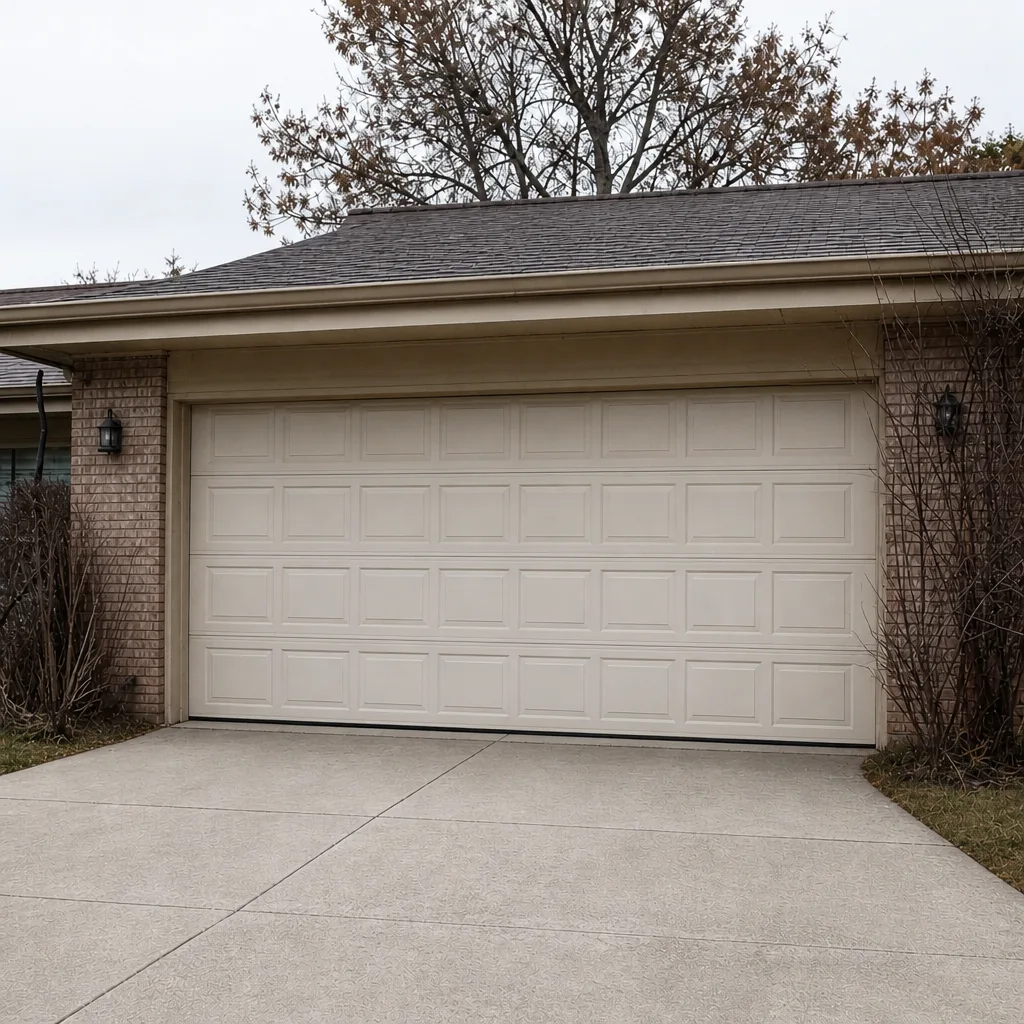
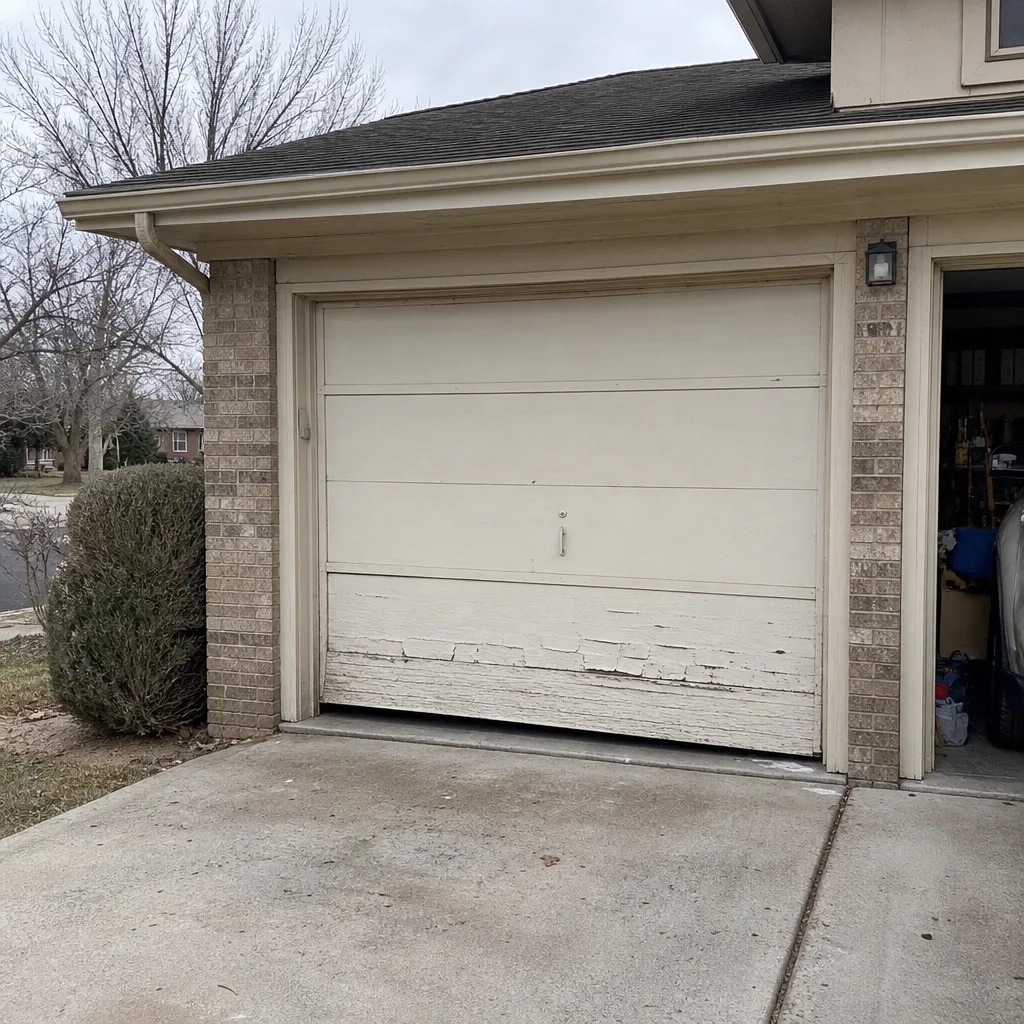
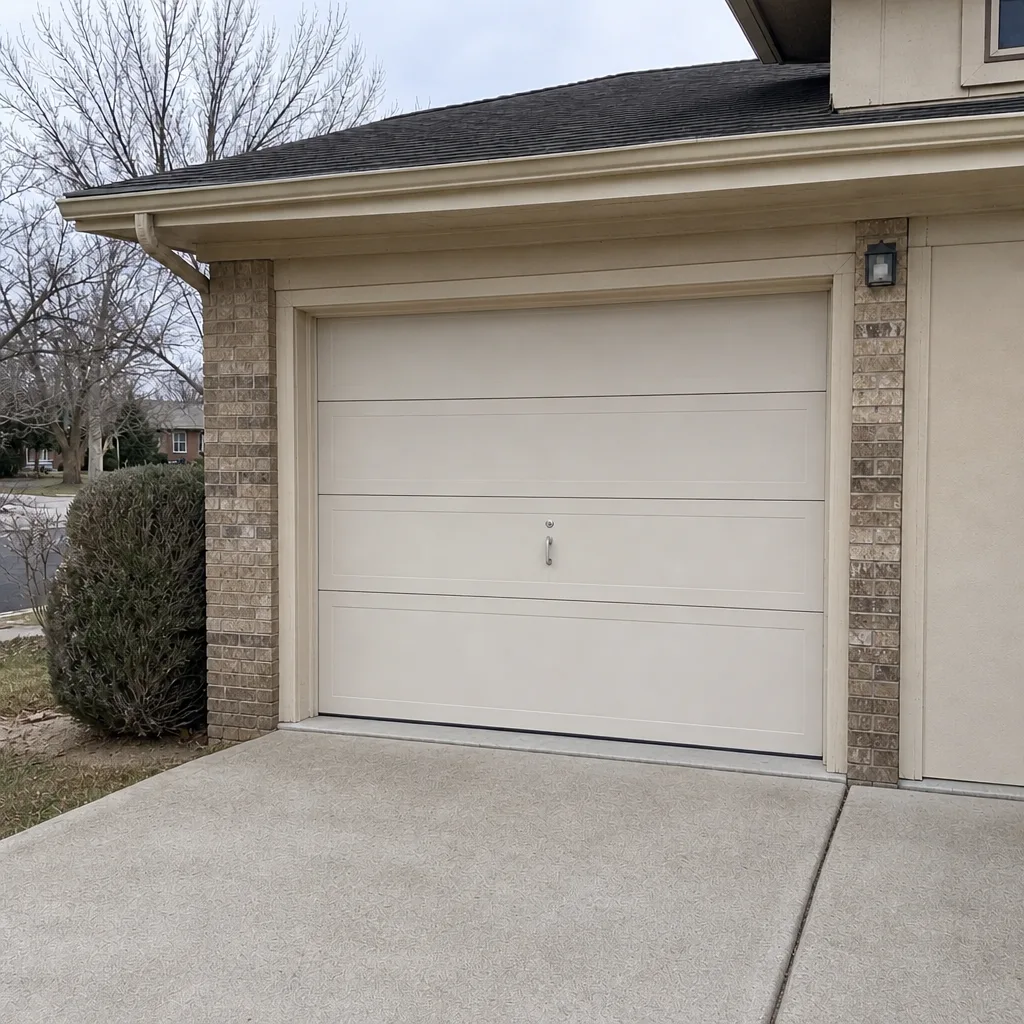
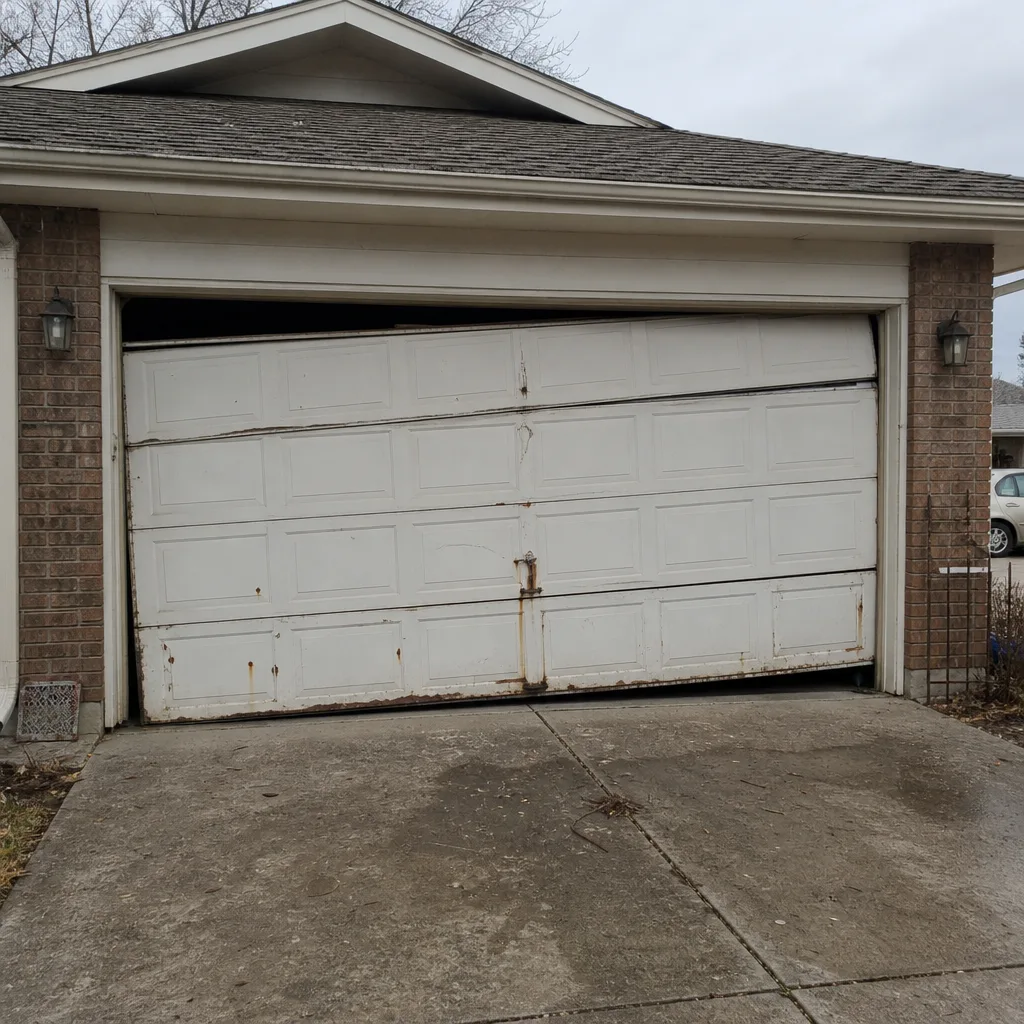
See the difference
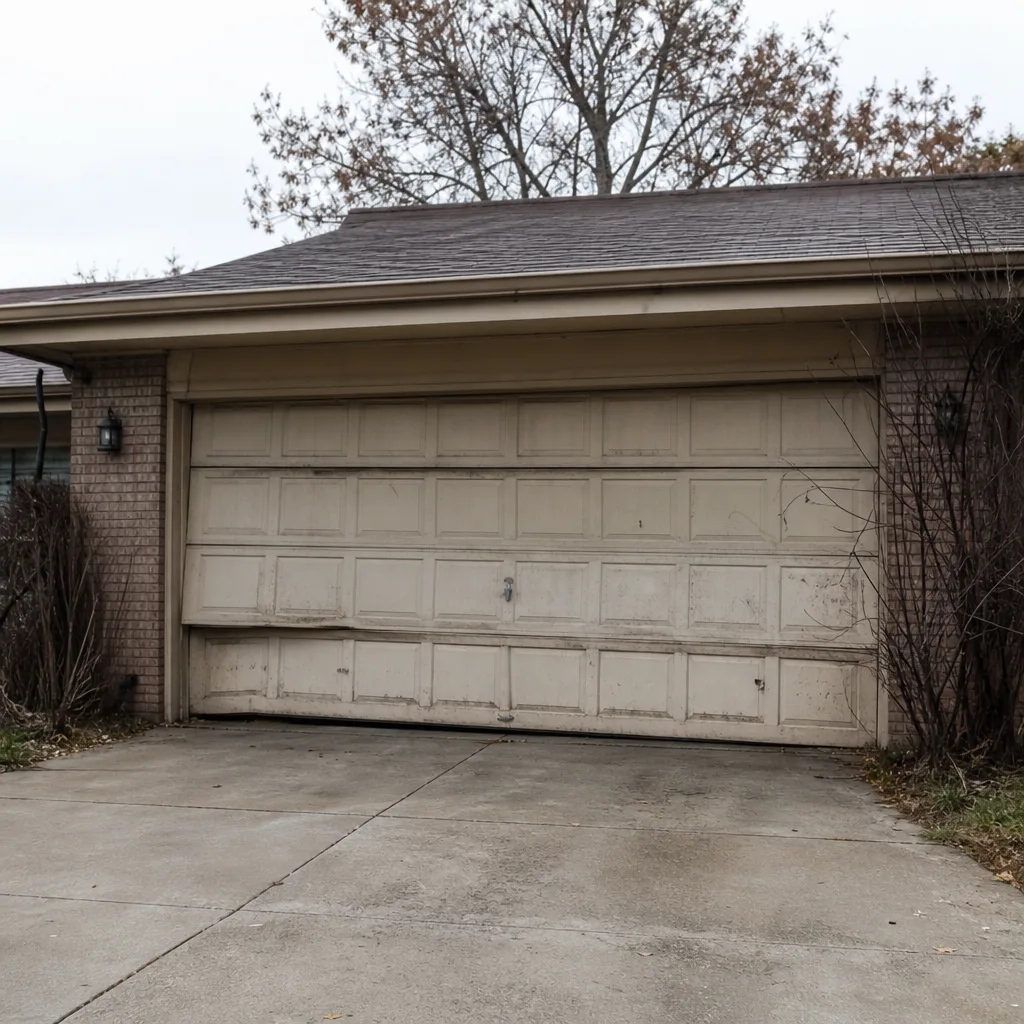 Before
 After
 Before
 After
 Before
 After
When to Call a Professional
Some maintenance is yours to do, and some should never be. Call a professional when a torsion spring breaks or visibly loses its coil, when the door won’t balance or drops on its own, when a cable is stretched, frayed, or loose, or when the opener strains, reverses for no reason, or won’t move the door at all. Also call when a frozen seal won’t release, when the door travels unevenly or sags on one side, or when a grinding noise shows up that wasn’t there before. These are safety issues as much as repair issues, and they’re exactly the cases where a trained technician saves you a bigger bill later. Garage Door Repair Heather Gardens offers free estimates in Heather Gardens – call (833) 958-8653.
Frequently Asked Questions
Spring repair is typically quoted per spring, and a door with a matched pair usually needs both replaced together, so a pair costs roughly twice a single spring estimate. The written estimate we give you sets the final price before any work starts. Call (833) 958-8653 for an exact quote – estimates are free.
Because of the temperature swings, not the cold itself. When afternoons hit 70°F and overnight lows drop into the teens in the same week, the torsion spring cycles between tighter and looser dozens of times, and that repeated thermal flexing fatigues a spring that’s already near the end of its life. It’s the rapid oscillation, not a single cold snap, that tends to finish off a tired spring.
We handle same-day repair calls for many spring, opener, and door problems. If the door is stuck or won’t open, call (833) 958-8653 and tell us what’s happening. We can often get a technician to your Heather Gardens door quickly, and the estimate is free.
No. The price you agree to before work starts is the price you pay. If we find something else while we’re on site, we’ll explain it and quote it separately rather than adding it to the invoice after the fact. Call (833) 958-8653 for a no-obligation estimate.
The local professionals we connect you with are licensed and insured as their state requires, and they’re trained on the garage door systems we service. Our technicians have up to 15 years of experience. Ask any question when you call (833) 958-8653.
We work on eight of the most common residential brands, including LiftMaster, Chamberlain, Genie, Clopay, Amarr, Wayne Dalton, Craftsman, and Raynor, so most Heather Gardens homes are covered without a special-order wait. If you’re not sure, tell us the brand when you call (833) 958-8653 and we’ll confirm.
The Bottom Line
The core lesson is simple: in Heather Gardens, the season tells you which part is at risk, not just whether it’s hot or cold. Spring’s thermal swings are spring failure season. Summer’s elevation UV ages seals and finishes. Fall is your window to close heat-loss gaps and lubricate before the first freeze. Winter is about keeping the seal from freezing to the floor. Match each season to its component, and you’ll avoid most emergency calls. Our technicians have up to 15 years of experience, and we’re ready when a spring, seal, or opener needs professional hands.
Ready to get ahead of the next season? Call Garage Door Repair Heather Gardens at (833) 958-8653 for a free estimate, and we’ll tell you what your door actually needs before anything gets worse.
Written by the team at Garage Door Repair Heather Gardens.