Last updated November 21, 2026
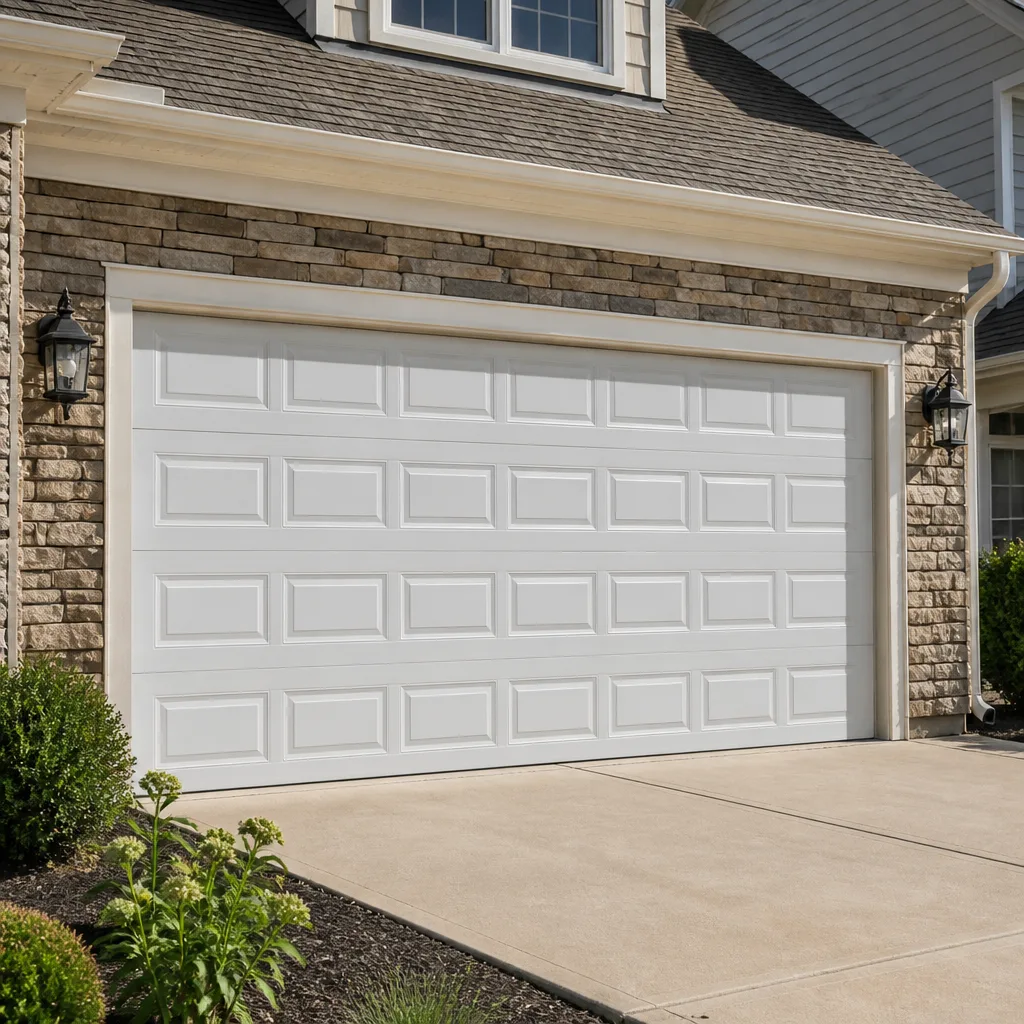 Raised-panel steel
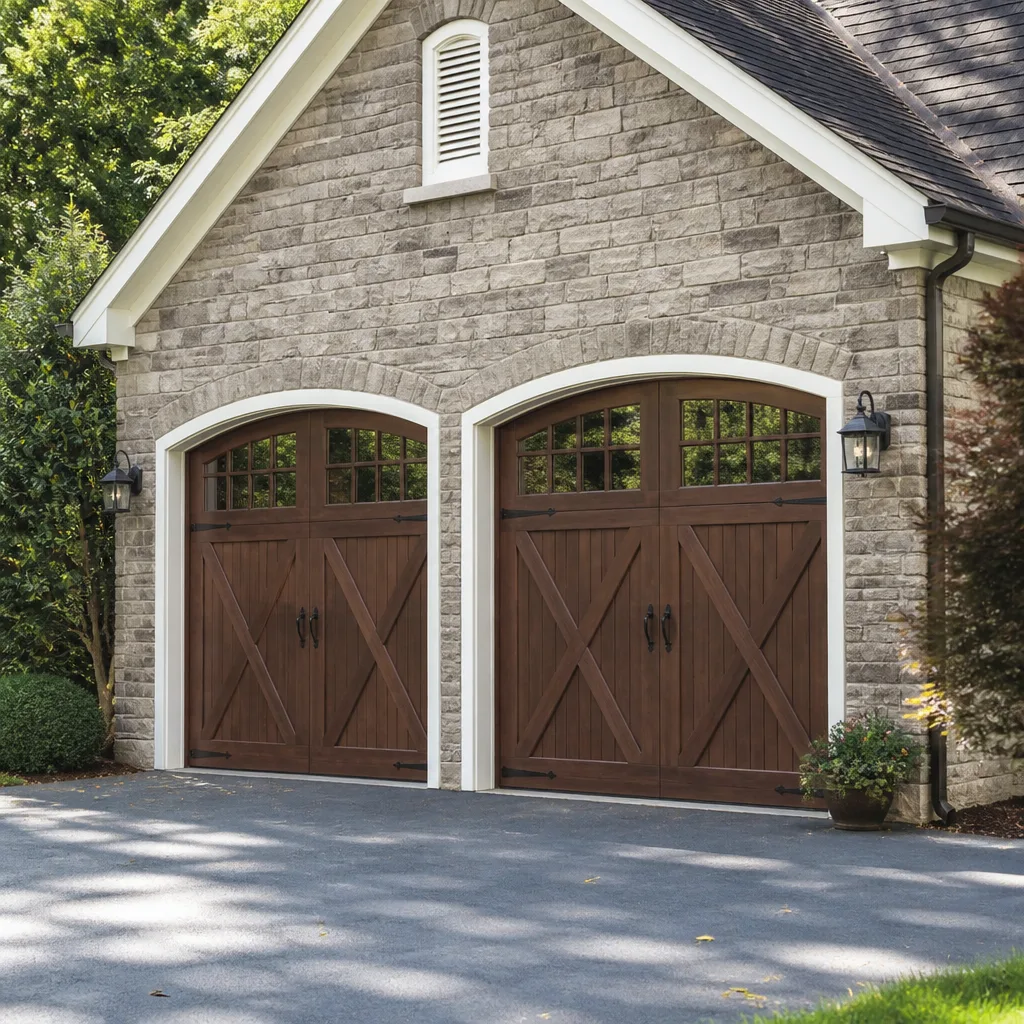 Carriage house
 Modern flush
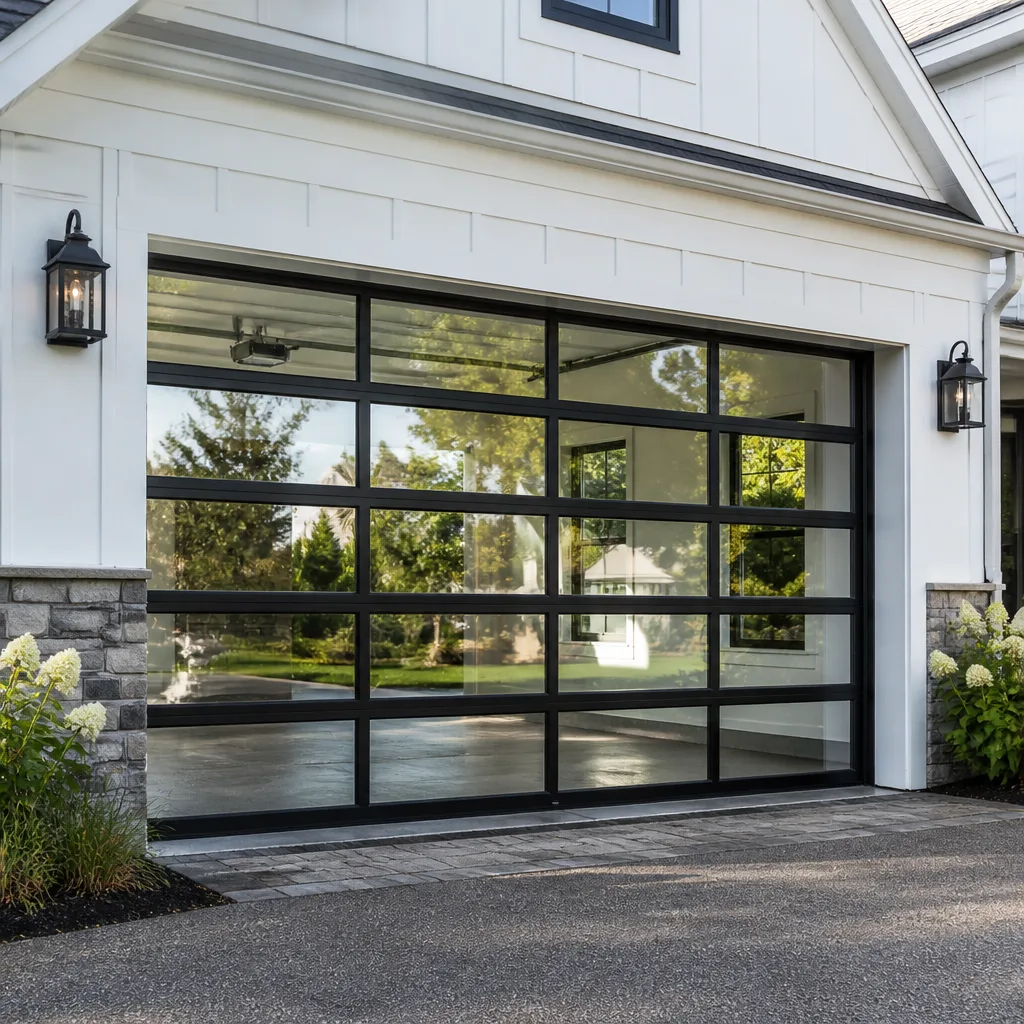 Full-view glass
 LiftMaster openers
 Chamberlain openers
Full 25-point door and opener safety check with every visit - springs, cables, rollers, tracks, and your LiftMaster or Chamberlain opener included
You get a price before we start. It does not change when the pro arrives.
Get your free estimateGarage Door Permits, Codes & Inspections in Heather Gardens, CO: What You Need to Know
Most Heather Gardens homeowners assume a garage door swap never touches the permit office. That assumption holds right up until the work touches framing, wiring, or a fire-rated wall. The line isn’t drawn at the door itself. It’s drawn at what the job changes about the structure and the electrical system behind it. In this guide we walk through Colorado’s actual trigger points, what adopted building codes ask of an attached garage in this part of the metro, how HOA approval and city permitting run on separate tracks, and what an old unpermitted modification can do to a sale. If you’ve ever wondered whether your Heather Gardens garage door project needs paperwork, this is the page to read before the truck shows up.
Quick Answer
A like-for-like garage door replacement in Heather Gardens usually does not require a building permit because the door isn’t structural and the opening doesn’t change. A permit is typically triggered when the job alters the opening’s framing or header, when new electrical work is added for an opener or its dedicated circuit, or when an attached garage’s fire-rated separation between house and garage is affected. Always confirm with the City of Aurora’s building department, since Heather Gardens sits within Aurora and Arapahoe County jurisdiction. HOA architectural approval is a separate requirement from the municipal permit, and you may need both.
Styles & brands we work with
- Raised-panel steel
- Carriage house
- Modern flush
- Full-view glass
- LiftMaster openers
- Chamberlain openers
Table of Contents
- Why the “No Permit Needed” Assumption Is Half True
- The Three Colorado Trigger Points That Turn a Door Swap Into a Permitted Project
- Fire-Rated Doors and Attached Garages: What the Codes Ask For
- HOA Approval and City Permitting: Two Separate Tracks
- What an Inspector Actually Checks When a Permit Is Required
- What an Unpermitted Modification Means During a Real Estate Transaction
- How Colorado’s Climate Affects Garage Door Work and Compliance
- The Step-by-Step Permit Process in Heather Gardens
Why the “No Permit Needed” Assumption Is Half True
The half that’s true: the garage door itself is not a structural component. Swapping a worn Clopay panel door for a new Clopay of the same size doesn’t change the load path of the house, doesn’t alter the opening’s dimensions, and doesn’t touch the electrical system. Most jurisdictions, including Aurora, treat that straight replacement as ordinary maintenance. No permit, no inspection, no paperwork.
The half that’s false is the part nobody mentions. A garage door replacement in practice is sometimes three projects wearing one hat. It can become a framing project if the opening needs to be resized. It can become an electrical project if a new opener needs a dedicated circuit or the existing one has to be moved. And in an attached garage, the wall and door between the garage and the living space are part of the home’s fire separation, which puts certain changes under a different approval path entirely.
Here’s what we’ve seen in the field. Homeowners think of the job as “new door, new opener, done.” The electrician thinks of it as “new circuit, new box, done.” The permit office thinks of it as “did you change the structure or the wiring?” Those are three different scopes, and only the first one is routinely exempt. In Heather Gardens, where most homes are attached to or near neighboring units in a dense community layout, the fire-separation question comes up more often than in scattered single-family neighborhoods. We’ll get to that shortly.
The Three Colorado Trigger Points That Turn a Door Swap Into a Permitted Project
Three distinct scopes sit inside what homeowners call “a garage door project.” Only the first is typically permit-exempt. The other two can require a permit depending on what the work involves and how your jurisdiction classifies it.
Scope 1: A true like-for-like replacement. Same size door, same track configuration, same opener location, no framing changes, no new electrical. This is the clean swap. In most of Heather Gardens’ Aurora and Arapahoe County jurisdiction, this does not require a building permit.
Scope 2: Structural changes to the opening. This is where a permit almost always comes into play. Anything that changes the size of the opening, the header, the framing around it, or the load the wall bears moves out of “maintenance” and into “construction.” Widen a single-car door to fit a double? New header. Change the opening’s height for a taller door? Framing change. Converting a solid wall into a new garage door opening? Full structural permit territory.
Scope 3: Electrical work for the opener. An opener plugged into an existing wall outlet is one thing. A new dedicated circuit run from the panel to a ceiling-mounted opener location is electrical work, and most jurisdictions require an electrical permit for new branch circuits. Adding a second outlet, moving an existing outlet, or wiring a battery backup in a way that changes the circuit can all cross the line.
The rule of thumb: if the job keeps the same opening size and simply unplugs and re-plugs an opener, you’re likely in exempt territory. If you’re changing the framing or running new wire, pick up the phone and check with Aurora’s building department before you schedule the install. Their answer for your specific address is the only answer that matters.
We work across the common brands in Heather Gardens garages, from LiftMaster openers with jackshaft mounts to older Chamberlain and Craftsman units on screw drives. The electrical question changes with the model. Jackshaft openers often mount beside the door rather than at the ceiling, for example, which can mean a different circuit location and a different servicing path. That’s one reason we always ask about the current setup before quoting, not after. If you know what’s in your garage today, it’s easier to know whether the new one pushes you into Scope 3 territory. For the work itself, our garage door opener repair service covers the electrical side of opener services across those brands.
Fire-Rated Doors and Attached Garages: What the Codes Ask For
Here’s the part that surprises people: if your garage is attached to your home, the wall and door separating the two are not ordinary construction. They’re part of the home’s fire separation, built to slow a vehicle fire in the garage from reaching the living space. The International Residential Code, which Aurora and Arapahoe County adopt and amend at the local level, includes requirements for what that separation has to look like.
What that means in practice:
- The door and framing between an attached garage and the house is treated as a specific assembly, not just “a door.”
- If you replace or alter that door, the replacement has to hold up to the same fire separation requirements as the original.
- If you’re adding a new door or opening between the garage and a living space, that change touches the fire separation and will draw a permit and inspection in most jurisdictions.
- Self-closing hardware on the garage-to-house door is common in newer code interpretations, because the door is only a barrier if it’s closed.
The overhead garage door on the street-facing opening is different. It’s not a fire-rated assembly in the same way. But the structural framing around it still is a factor if the opening’s size or configuration changes, and the fire-rated swing door between garage and living space remains an ongoing compliance point.
Outside the strict code language, we notice a pattern in Heather Gardens. Homes that have had multiple remodel phases over the years sometimes have garage-to-house doors replaced with whatever was on sale at the time, without anyone checking whether the fire separation requirements were preserved. If you’re buying or selling in this community, it’s worth having that door looked at, not because it’s likely to be wrong, but because it’s easy to miss.
One note on the fire separation question: we do not make code interpretations for your specific home. Ask Aurora’s building department for the official answer, and ask them for the adopted code year your jurisdiction is running. That’s the version your inspection will be judged against.
HOA Approval and City Permitting: Two Separate Tracks
Heather Gardens sits inside an active community with architectural standards. That means when you change the appearance of your garage door, you may be dealing with two completely separate approval processes, and neither one substitutes for the other.
The city permit is about safety and code. Does the door meet structural and life-safety requirements? Is the electrical work code-compliant? Will the fire separation hold?
The HOA architectural approval is about appearance and community standards. What color is the door? Does the style match the neighborhood? Does the panel design fit the community’s design guidelines?
A door can be perfectly code-compliant and still be rejected by the HOA because it’s the wrong color. A door can be HOA-approved and still fail an electrical inspection because the opener was wired without a permit. The two processes run in parallel, not in sequence, and getting one right doesn’t cover the other.
From what we’ve seen, the friction usually lands on timing. Homeowners get the permit issued, order the door, wait for the install, and then discover the HOA approval process needs to happen first. Or the reverse: HOA approves the new door, then the homeowner finds the install triggers electrical permitting they hadn’t planned for. Either way, the door shows up before the paperwork does.
The fix is simple. Get both processes moving before you order the door, not after. In Heather Gardens’ community layout, architectural standards can be specific about garage door styles and colors, so review the HOA design guidelines early rather than at the last minute. If you’re planning a full-door replacement, our garage door installation team can walk through the technical scope with you so you know which parts of the job are exempt and which aren’t, which makes the paperwork conversation easier.
What an Inspector Actually Checks When a Permit Is Required
When a garage door project crosses into permitted territory, here’s what an inspector typically looks at. The exact checklist varies by jurisdiction and by the scope of the permit, but these are the recurring items.
- Framing and header. If the opening was resized or the header replaced, the inspector verifies the new framing matches the approved plan and the header is sized correctly for the span.
- Electrical work. For a new opener circuit, the inspector looks at the wire gauge, the breaker size, the junction boxes, and whether the work matches the electrical permit application. A cosmetic install without electrical scope usually skips this step.
- Fire separation. If the work touches the wall, or the garage-to-house door, the inspector checks that the fire separation requirements are preserved. This includes the door itself, the frame, and any openings.
- Reversal and safety features. Newer opener installations are typically checked for the safety reversal system and the photoelectric eye setup, which is a code requirement for residential operators.
- Final inspection. Often the inspector makes a final visit after the work is complete to confirm the install matches the permit scope. Minor scope changes mid-job can require a permit amendment, which is why it’s worth flagging any change before the crew touches the framing.
In practice, most of the garage door work we handle in Heather Gardens doesn’t reach the inspection stage because the scope stays in the exempt lane. The jobs that do reach it are the ones where the homeowner is changing the opening size, adding a new circuit, or changing the garage-to-house door. If you’re in that zone, plan for an inspection window. It’s not a big deal, but it’s not a same-day job either.
What an Unpermitted Modification Means During a Real Estate Transaction
This is exactly what happened in the case that inspired this guide, in a community adjacent to Heather Gardens. The garage door itself was fine. The problem was the opener’s dedicated circuit, added years earlier without an electrical permit. It surfaced during a home sale inspection, and the buyer’s lender required remediation before closing. The seller paid to make it right, but the sale stalled for weeks while the paperwork and remediation went through.
Here’s the general mechanism, because it’s worth understanding even if the specific case doesn’t apply to you.
During a real estate transaction, a home inspector, an appraiser, or a buyer’s lender may flag work that looks recently added or modified without documentation. Anything that touches electrical, structural, or fire-separation components is fair game for that scrutiny. When the buyer’s lender requires proof that permitted work was inspected, and no permit record exists, the seller has a few options. They can produce documentation from a prior owner, obtain a retroactive permit if the jurisdiction allows it, remove the unpermitted work, or negotiate a credit. None of these are free, and all of them delay closing.
The pattern we see: homeowners often don’t know the work was unpermitted because it happened before they bought the home. A garage door opener circuit added by a previous owner, a door opening widened years earlier, a garage-to-house door swapped without checking the fire separation. These changes don’t announce themselves at the sale. They announce themselves when the buyer’s inspector starts asking questions.
When buying in Heather Gardens, it’s worth pulling the permit history from the City of Aurora for the property before closing. Ask specifically about electrical, structural, and any garage-related permits. If you’re the seller and you’re not sure, do the same before you list. Anything you find now is usually cheaper to solve than anything you find during a lender’s review.
How Colorado’s Climate Affects Garage Door Work and Compliance
Colorado’s climate affects garage doors in ways that affect the permit conversation too. The wide swings between summer heat and winter cold put more stress on springs, tracks, and opener components than a temperate climate would. That doesn’t mean you need a permit for a spring replacement, because you don’t. But it does mean a garage door in Heather Gardens sees more wear than the same door would in a milder climate, so the work that reaches permit territory tends to happen because the door has aged into a full replacement, not because the door was inadequate on day one.
Colorado’s freeze-thaw pattern also puts stress on the framing around garage doors. Repeated expansion and contraction of the wood and metal components can slowly open seams that a door install initially sealed cleanly. If you’re planning a replacement and the opening’s framing shows those seasonal wear signs, the work may qualify as repair-in-addition-to-replacement, which is one more reason to have a professional look at the opening before deciding the scope.
On the fire separation question, this isn’t climate-specific. But the humidity cycles and heat exposure in an Aurora-area garage can degrade the weatherstripping and seals on the garage-to-house door over time, which affects how the fire-rated assembly performs. That’s a maintenance item, not a permitting item, but it’s worth knowing.
We work on garage doors across Heather Gardens and the surrounding area, and the conversations we have about permitting almost always trace back to something structural or electrical rather than something climate-driven. Still, we mention the climate because it explains why so many Heather Gardens garages reach the “full replacement plus scope check” phase together, which is when the permit question actually lands. For runs-of-the-mill service that stays in the exempt lane, our garage door repair team handles the diagnostic work and lets you know whether the job is a straight swap or something bigger.
The Step-by-Step Permit Process in Heather Gardens
Here’s how the process runs when a permit is actually required. The exact steps vary depending on the scope and your jurisdiction, and the City of Aurora’s building department is the authority on your specific project.
- Confirm the scope. Decide whether the job is a like-for-like replacement, a structural change, or electrical work. This determines whether a permit is needed at all. When in doubt, call the city and ask.
- Check with the City of Aurora’s building department. Give them the address and the specific scope. They’ll tell you which permits apply, if any, and whether an electrical permit is needed separately from the building permit.
- Review HOA design guidelines in parallel. If you’re changing the door’s appearance, start the HOA approval process at the same time. Heather Gardens’ architectural standards are separate from the city’s requirements and both apply.
- Submit the permit application. For a framing change, that means a building permit with the scope of work. For a new opener circuit, that means an electrical permit. For both, you may need both.
- Schedule the work. Once the permit is issued, the crew can schedule the install. An inspection may be required before or after the work, depending on scope.
- Complete the inspection. An inspector reviews the work against the permit scope. If the work is approved, the permit closes. If a change is needed, an amendment may be required.
- Keep the record. Save the permit documentation and the inspection report. That’s what protects you during a future sale.
For a simple full-door replacement, the process is usually much shorter: no permit, no inspection, just the install. For anything touching framing or electrical, plan for a few weeks of lead time between the permit application and the install. It’s the difference between getting the job done on your schedule and getting it done when the city is ready to sign off.
If you’re getting ready for a new door and want to understand the technical work before you fill out any paperwork, our Garage Door Repair Heather Gardens team is a straightforward starting point. We don’t interpret code for you, but we can confirm exactly what the job involves so you can ask the right questions at the building department.
Common Mistakes to Avoid
- Assuming “no permit” applies to the whole project. The door swap may be exempt while the new opener circuit is not. Two separate scopes, two separate answers from the city.
- Getting the HOA approval after the door is delivered. In Heather Gardens’ active community layout, an HOA rejection on color or style after the door arrives means return shipping and a wait. Start the HOA approval first, or at least at the same time as the permit.
- Skipping the permit history check when buying in Heather Gardens. The current owner may not know that a previous owner made an electrical change without a permit. Pull the history before closing, not after.
- Treating a slightly different opening size as “just a little bigger.” Any change to the framing or header is a structural change and means the scope is no longer the exempt swap. Even an inch of change to the header is enough to draw a permit in most jurisdictions.
- Assuming a garage-to-house door swap is ordinary maintenance. That door is part of the fire separation. Replacing it requires care to preserve fire separation requirements, and may require a permit depending on the jurisdiction.
- Doing the work without documentation and planning to “figure it out later.” That’s the recurring pattern behind stalled sales. If the work is going to require a permit, the paperwork is cheaper and faster now than during a lender’s review.
- Assuming an inspector only looks at the door itself. Framing, electrical, and fire separation are the usual inspection items. A door can be perfectly installed and still fail an inspection because the surrounding scope wasn’t permitted or documented.
See the difference
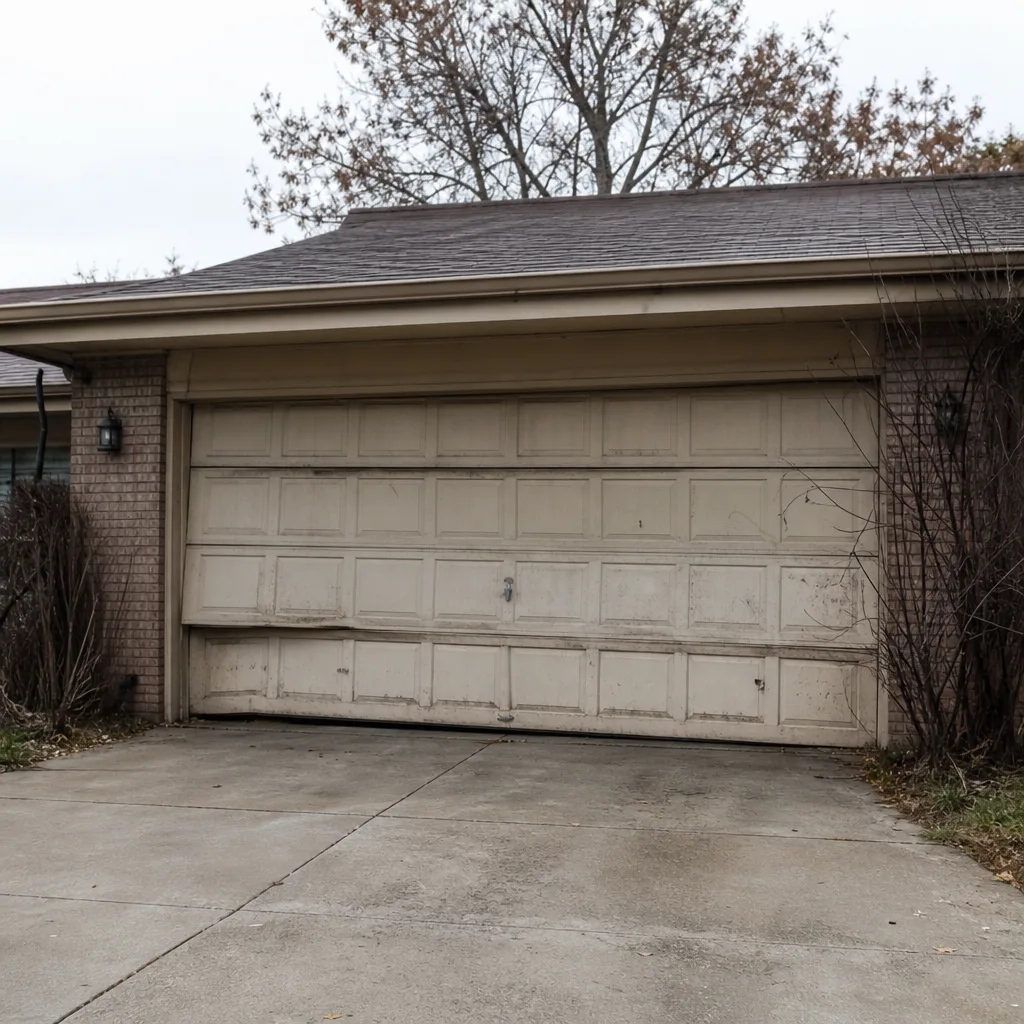 Before
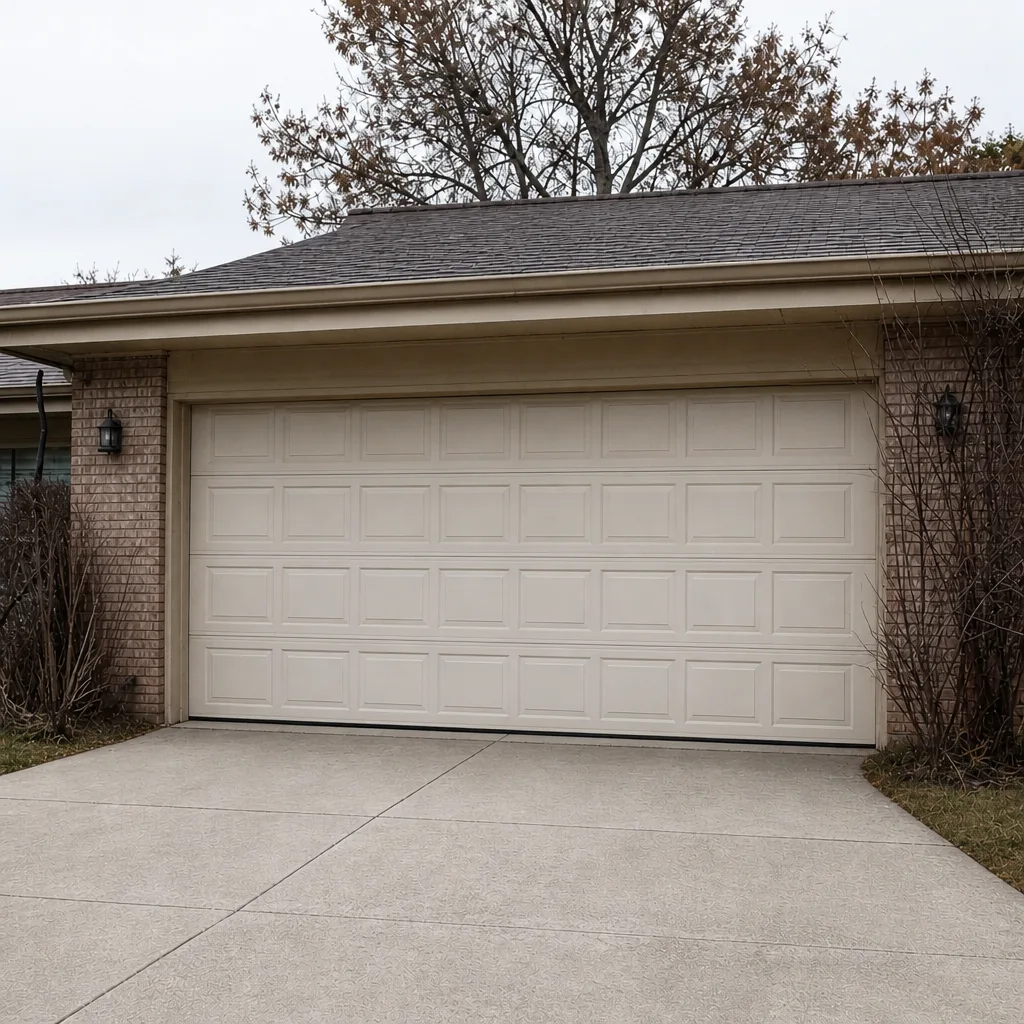 After
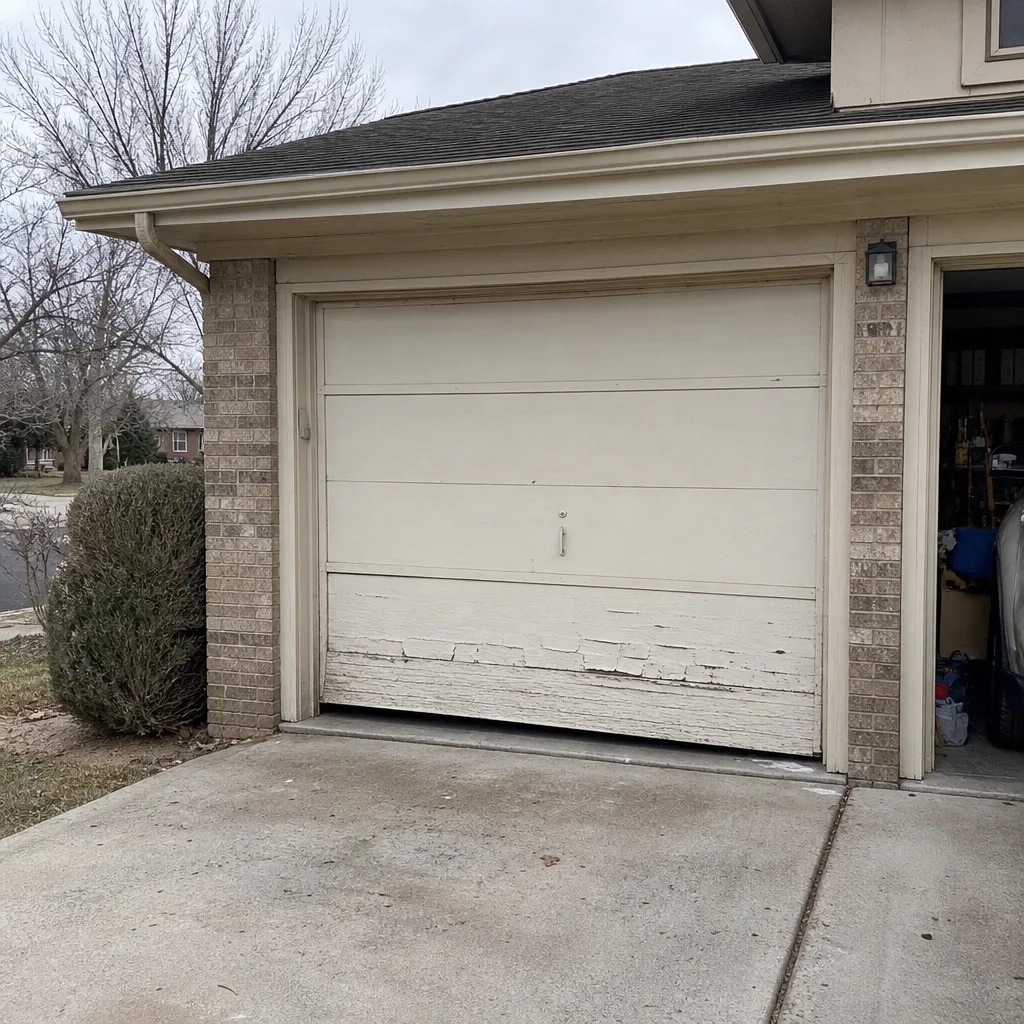 Before
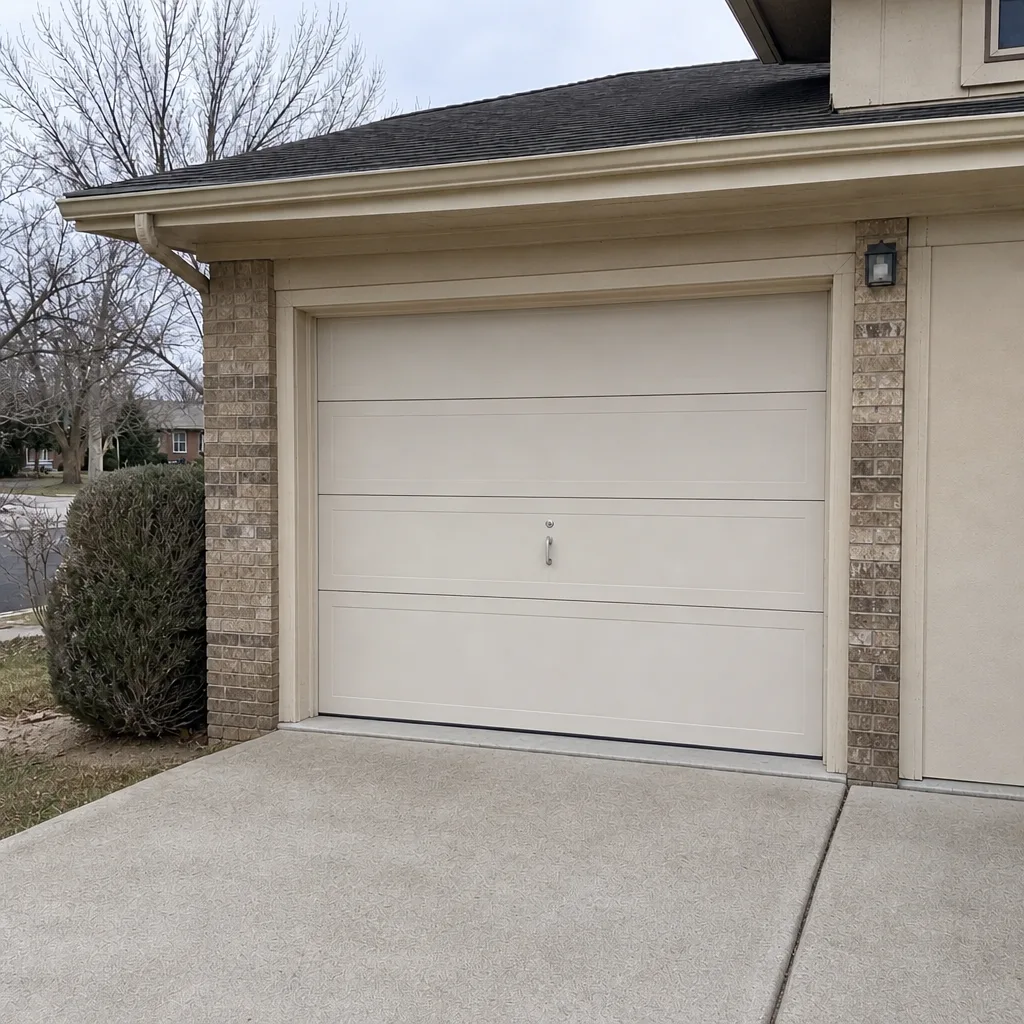 After
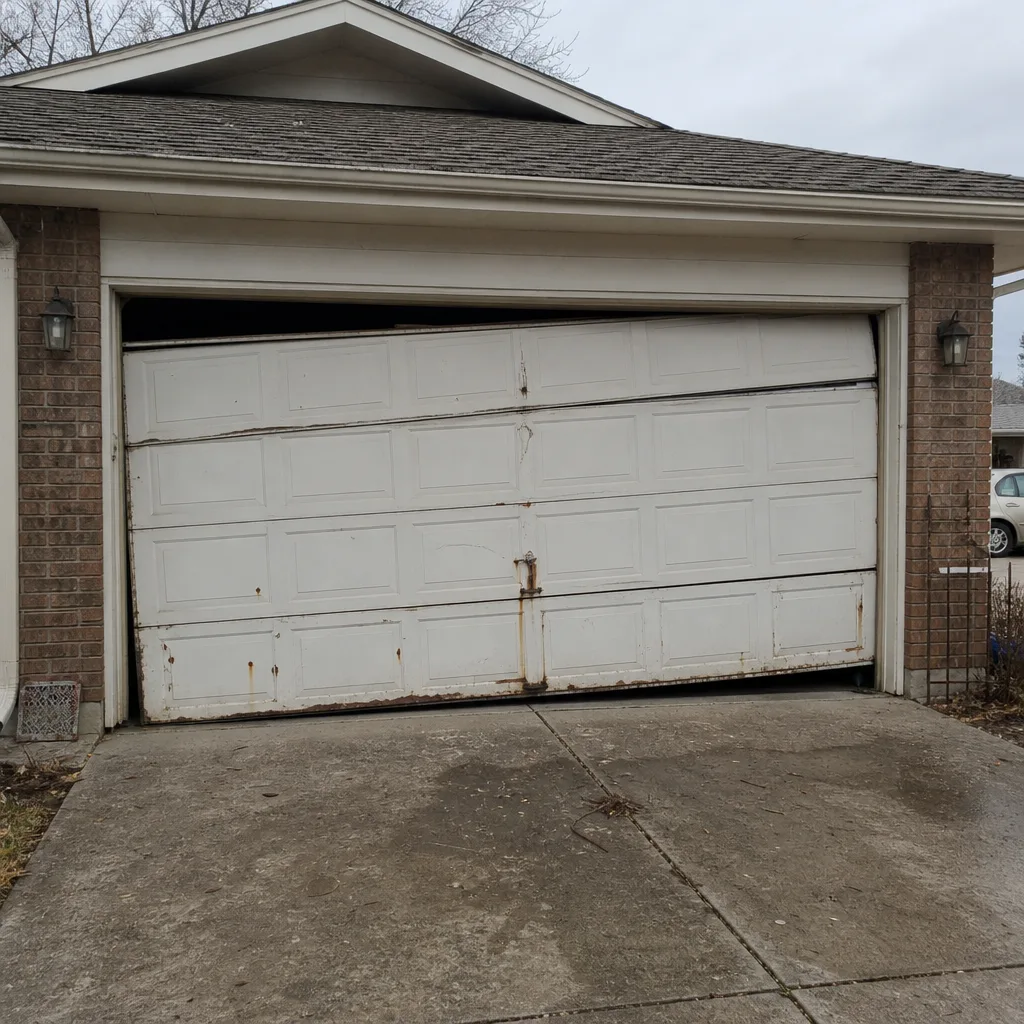 Before
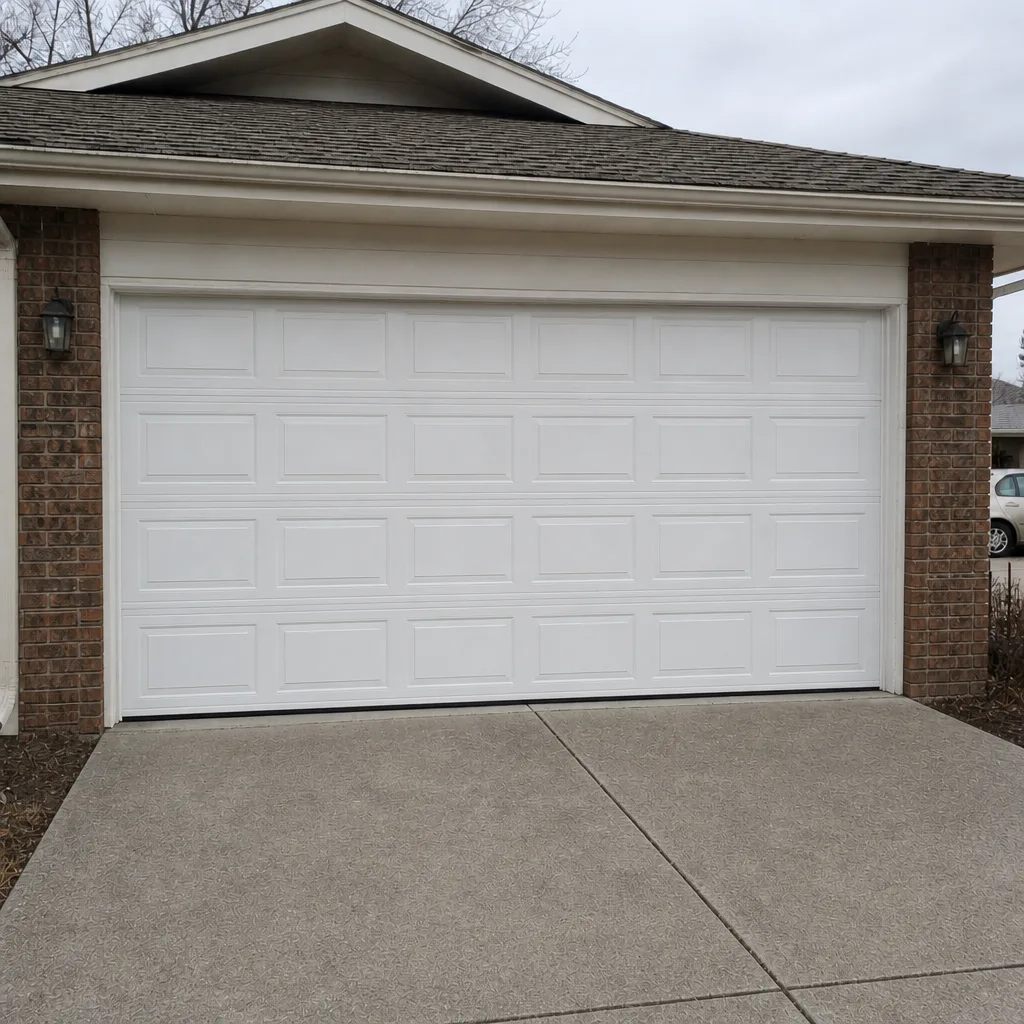 After
When to Call a Professional
Call a professional when the scope of the job is unclear to you, and definitely call one when framing, electrical wiring, or the garage-to-house door are part of the picture. Spring repair and opener work carry real safety risk; springs are under extreme tension and the door itself is heavy enough to cause serious injury if it releases unexpectedly. Don’t put yourself in that path. If you’re not certain whether your project touches a structural or electrical scope, a professional assessment answers that before you call the city, which saves a step. We’re also the right call when you need parts on a specific brand, since Craftsman, LiftMaster, Chamberlain, Raynor, and other major lines all have their own part numbers and compatibilities. Garage Door Repair Heather Gardens offers free estimates in Heather Gardens. Call (833) 958-8653 to schedule one.
Frequently Asked Questions
A like-for-like garage door replacement in Heather Gardens typically does not require a building permit, because the door isn’t a structural component and the opening doesn’t change. You do need a permit when the job changes the framing or header, adds electrical work for an opener or dedicated circuit, or touches the fire separation between the garage and the living space. Confirm with the City of Aurora’s building department for your specific address. Call (833) 958-8653 if you want a professional scope assessment before you call the city.
If the new opener plugs into an existing outlet, no electrical permit is typically required. If the installation includes a new dedicated circuit from the panel, a new outlet, or moving existing wiring, most jurisdictions require an electrical permit. That’s the case that catches homeowners off guard during a sale. An electrician or your opener installer can usually tell you which scope applies. Call (833) 958-8653 for a free estimate and a clear answer on the electrical scope.
No, HOA approval and city permitting are separate processes. The city permit covers safety and code; the HOA approval covers appearance and community standards. Both apply when you change your garage door’s color or style, and one does not substitute for the other. Start both processes before ordering the door, not after.
Unpermitted work can surface during a real estate transaction when a home inspector, appraiser, or lender flags it. The seller may need to obtain a retroactive permit if the jurisdiction allows it, remove the work, or negotiate a credit with the buyer. The safest move when buying in Heather Gardens is to pull the permit history for the property before closing. Call (833) 958-8653 if you want a professional assessment of the current garage door setup before you make an offer or list a home.
Usually yes, if the opening’s dimensions don’t change and no framing or electrical work is added. That’s the clean like-for-like swap. Any change to the opening’s size, header, or framing moves the scope into permit territory, even a small one. Confirm with the City of Aurora’s building department before ordering the door if you’re not certain.
If your garage is attached to the home, the door and framing between the garage and the living space are part of the home’s fire separation. The International Residential Code, as adopted and amended by Aurora and Arapahoe County, includes requirements for that separation and for changes that touch it. Swapping that door without verifying the fire separation is preserved can create compliance issues. Call (833) 958-8653 for a professional assessment of the current setup.
The Bottom Line
The permit question in Heather Gardens really comes down to one idea: the garage door swap is usually exempt, but the surrounding scope sometimes isn’t. A like-for-like door replacement rarely needs a permit. A framing change, an opener’s dedicated circuit, or a change to the fire separation between an attached garage and the living space can all pull the job into permit territory. The HOA approval process runs on its own track and never substitutes for the city permit. The case that inspired this guide turned on a single unpermitted circuit, not the door. Pull the permit history when buying in Heather Gardens, check with the City of Aurora’s building department on any scope that touches structure or electrical, and keep the records when the work is done. Do all of that, and a future sale won’t surprise you. For an assessment of your current garage door setup, call (833) 958-8653 for a free estimate.
Written by the team at Garage Door Repair Heather Gardens.