Last updated November 21, 2026
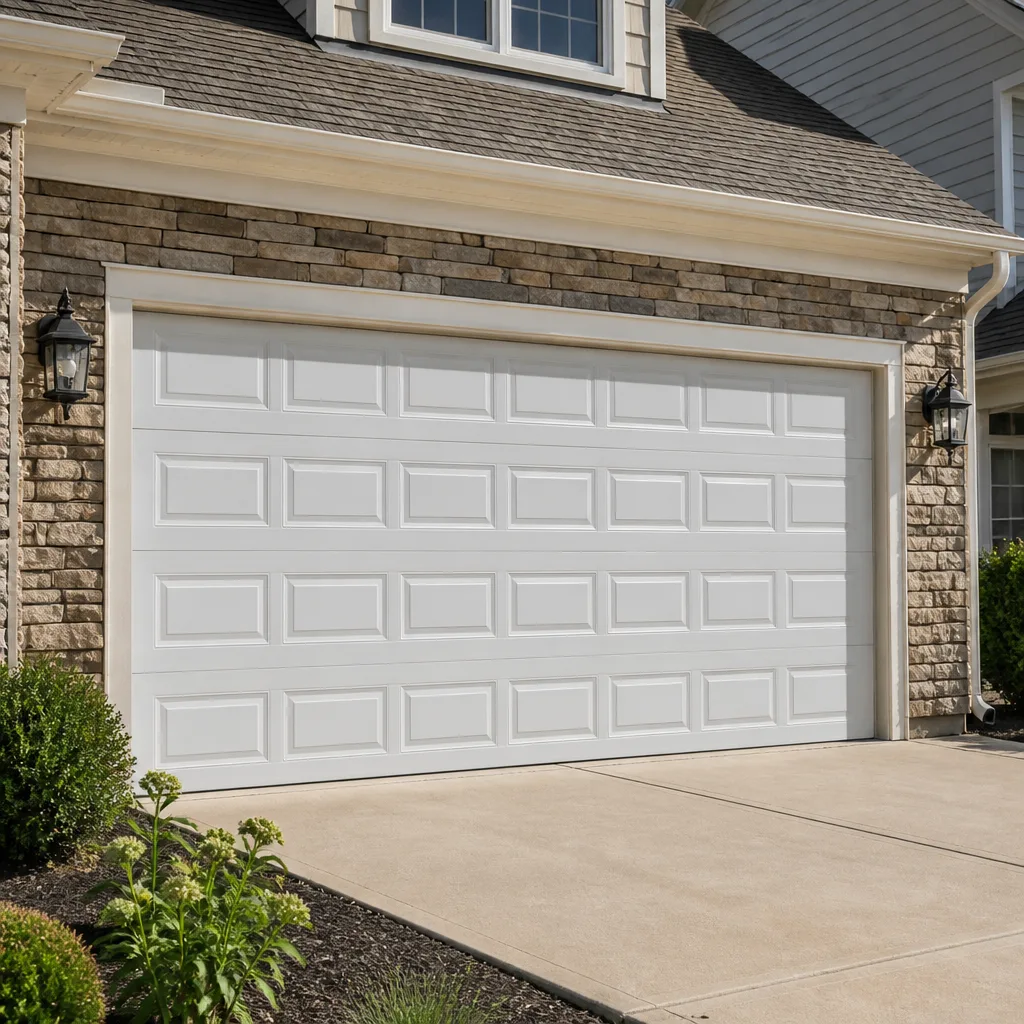 Raised-panel steel
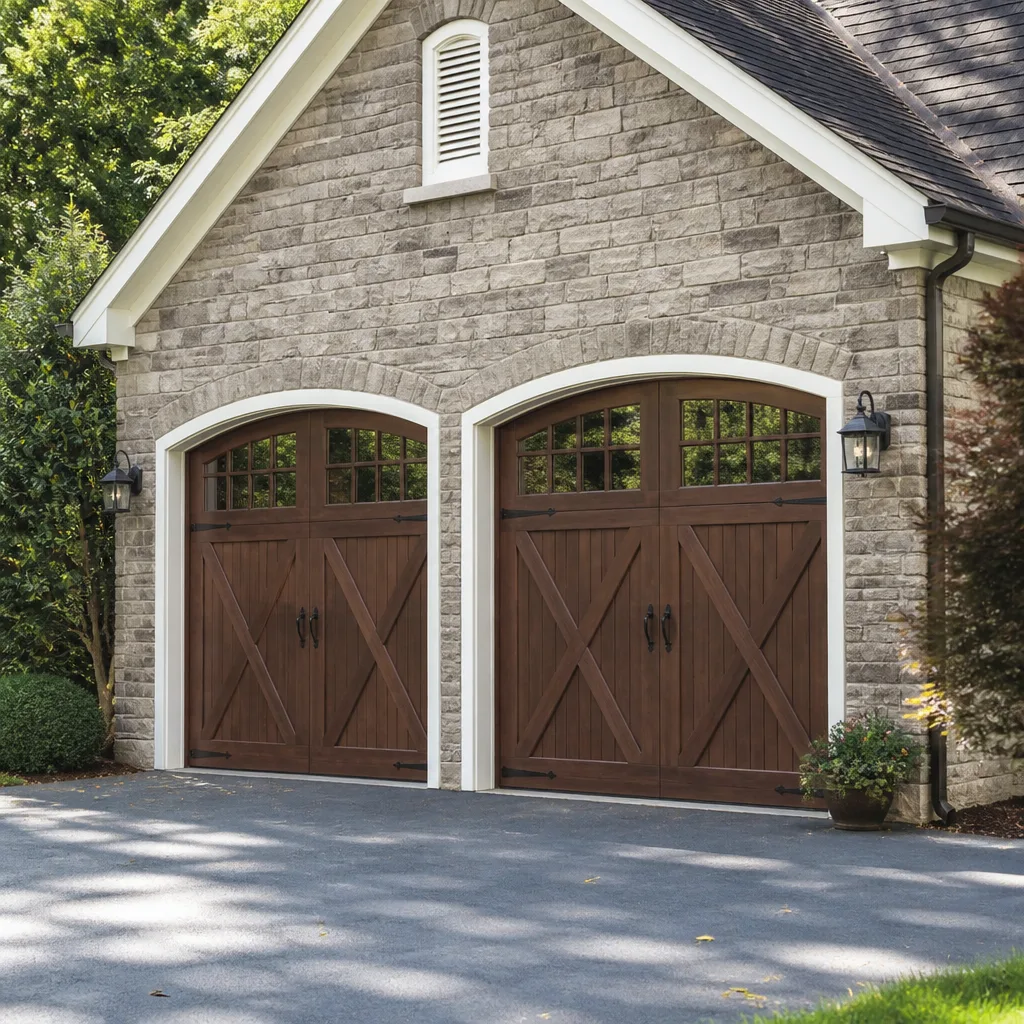 Carriage house
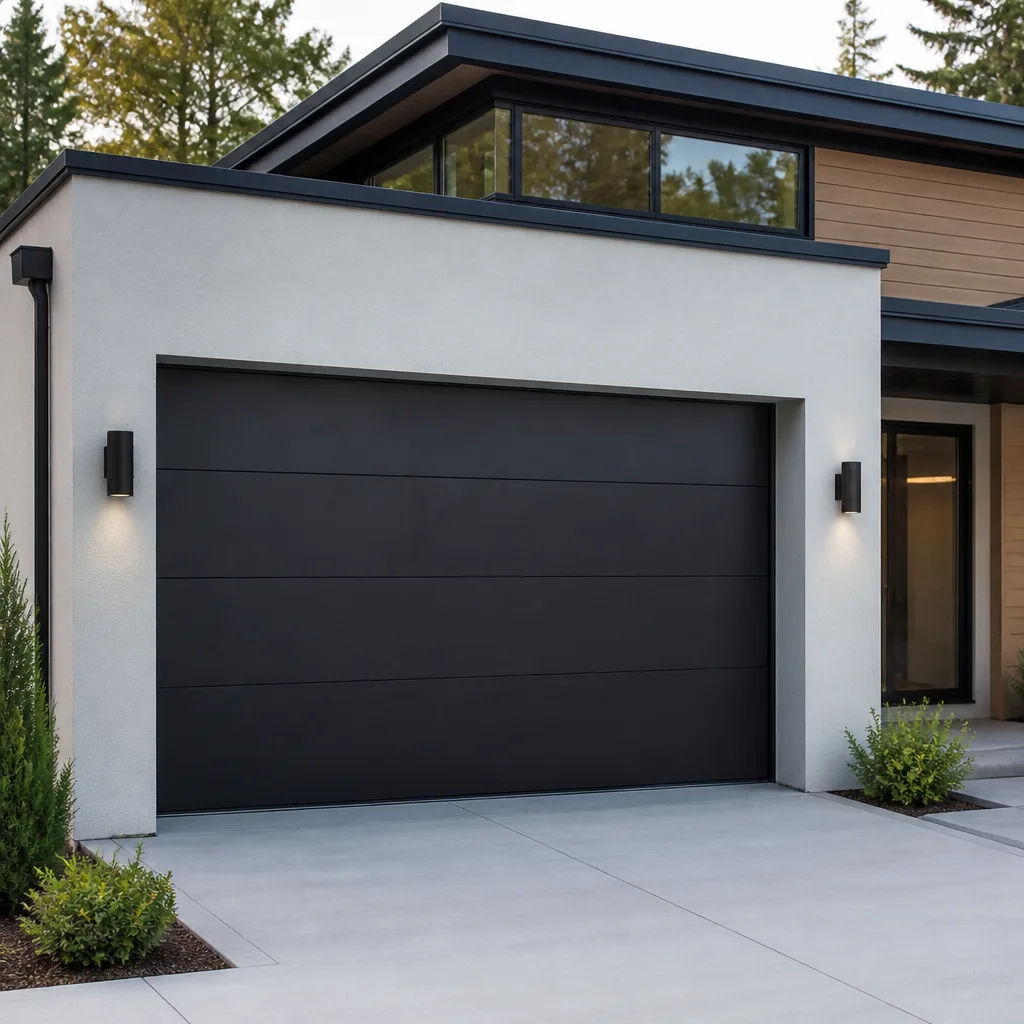 Modern flush
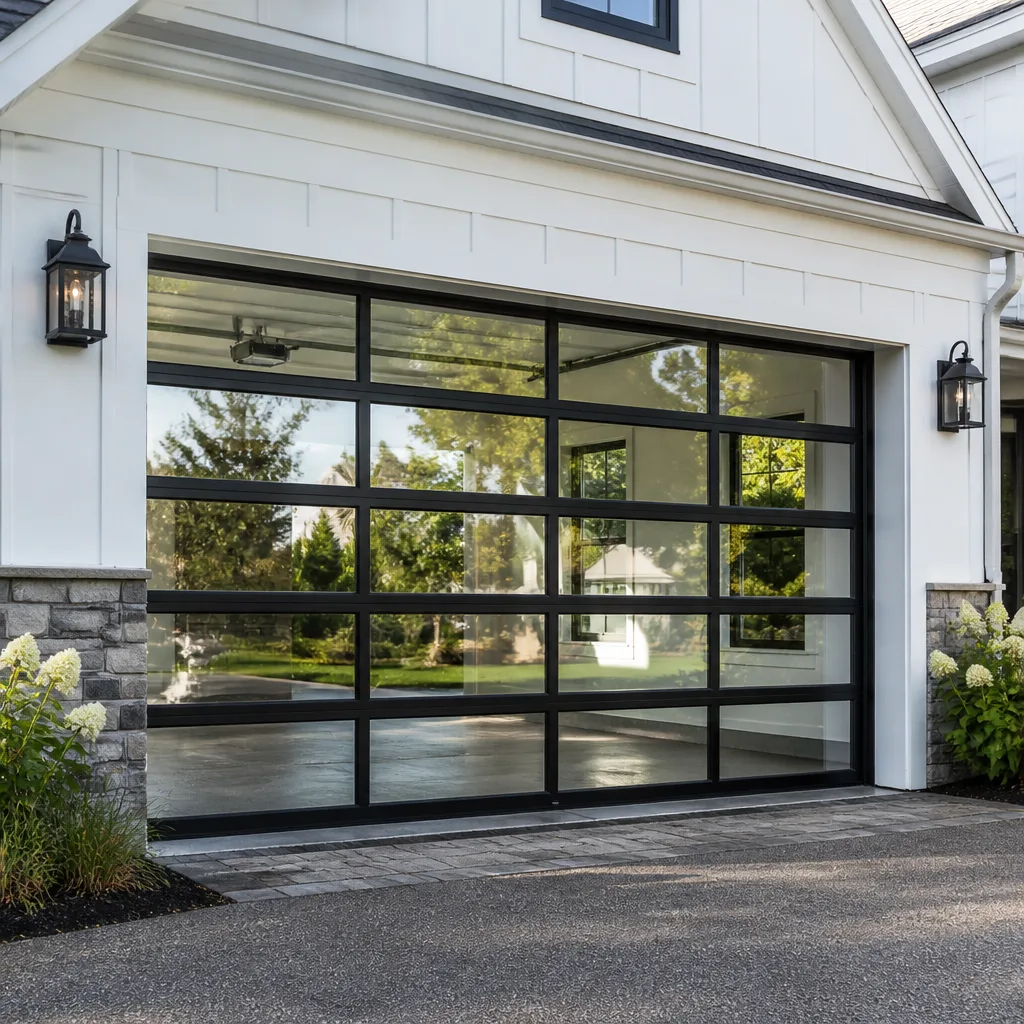 Full-view glass
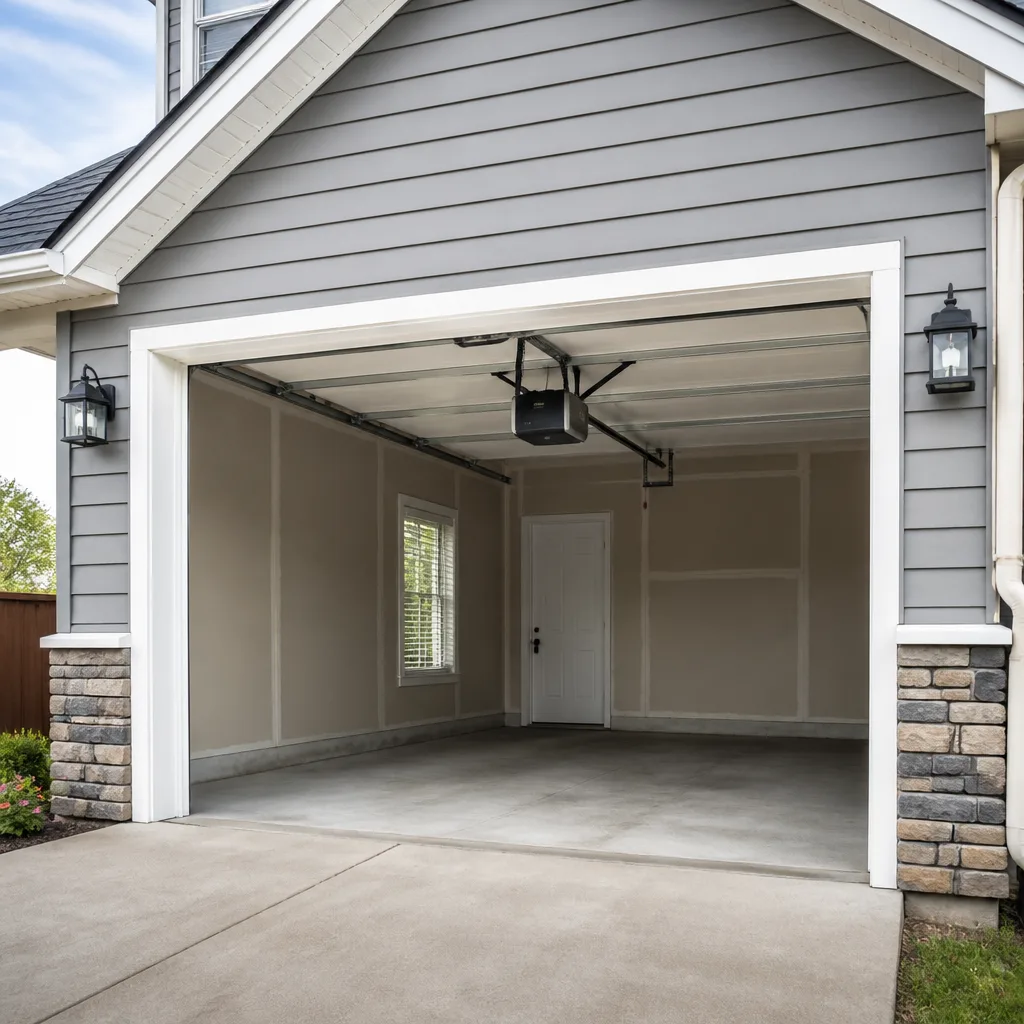 LiftMaster openers
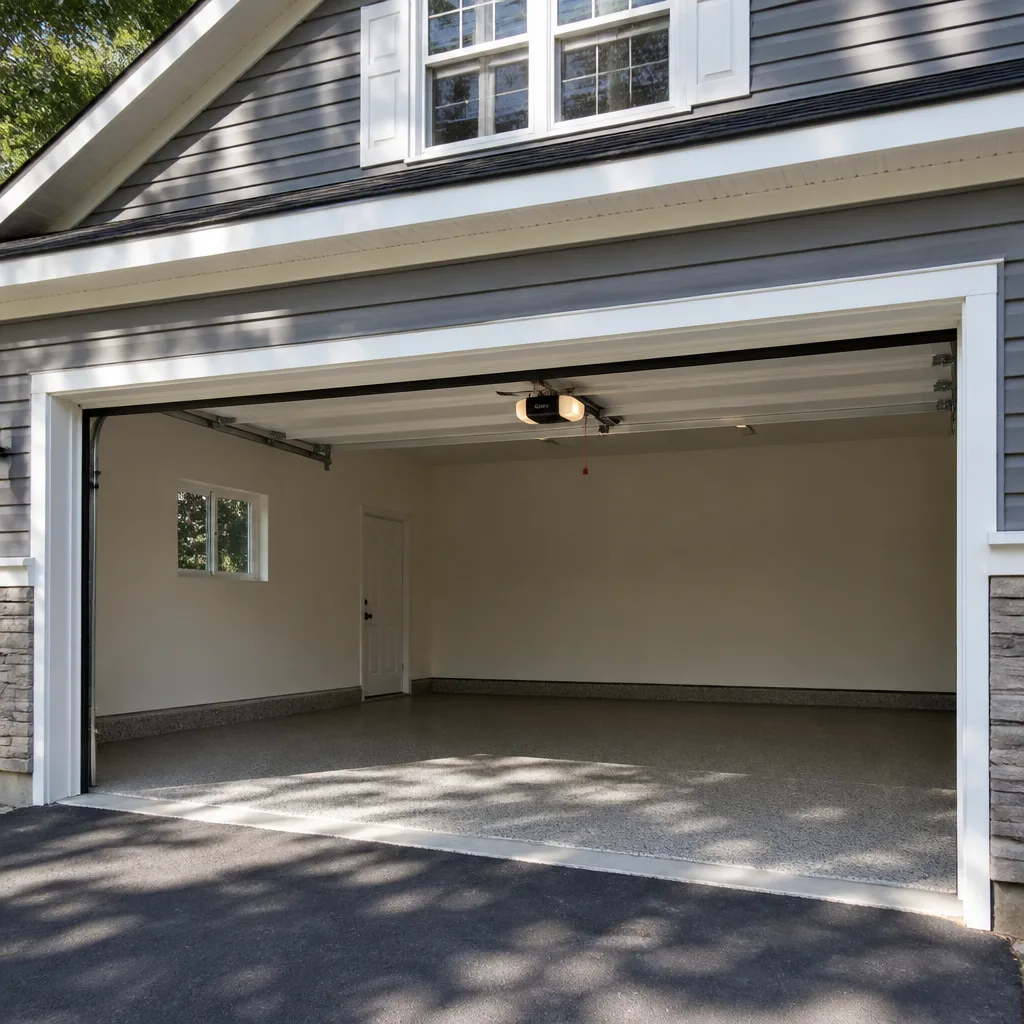 Chamberlain openers
Full 25-point door and opener safety check with every visit - springs, cables, rollers, tracks, and your LiftMaster or Chamberlain opener included
You get a price before we start. It does not change when the pro arrives.
Get your free estimateDIY vs Professional Garage Door: The Heather Gardens Homeowner’s Decision Guide
Most homeowners approach a garage door problem by asking whether they’re handy enough to fix it. That’s the wrong question. A torsion spring stores roughly 100 foot-pounds of torque even when it looks relaxed and harmless, and a homeowner who unwinds one without the correct winding bars and technique isn’t taking a calculated risk. They’re almost certain to get hurt. The DIY decision on a garage door has to start with which tasks involve stored energy or a weight load, not with confidence level. In this guide we’ll draw a hard line between what’s genuinely safe to handle yourself and what should never leave a professional’s hands, with notes specific to Heather Gardens and Colorado homes.
Quick Answer
You can safely DIY the low-risk parts of garage door ownership in Heather Gardens: sensor alignment, remote and keypad programming, lubrication, and cosmetic panel painting. You should never DIY springs, cables, or track alignment, because those involve stored energy or heavy load and cause serious injury. Opener swaps and new-door installation sit in a middle zone where the savings are real only if wiring, mounting, and force calibration all go right.
Styles & brands we work with
- Raised-panel steel
- Carriage house
- Modern flush
- Full-view glass
- LiftMaster openers
- Chamberlain openers
Table of Contents
- What Is Safe for a Heather Gardens Homeowner to DIY?
- What Garage Door Tasks Should You Never DIY?
- Why Torsion Spring Failure Isn’t About Going Slowly
- DIY vs Professional Opener Installation: Where the Savings Are Real
- Colorado Warranties and HOA Documentation
- What to Do When a DIY Repair Reveals a Bigger Problem
- How the Front Range Climate Affects Garage Door Wear
- What Professional Garage Door Work Costs in Heather Gardens
What Is Safe for a Heather Gardens Homeowner to DIY?
Sensor alignment, remote programming, and lubrication are genuinely safe for a homeowner to handle. These tasks involve no stored spring energy and no load-bearing hardware, so a careful homeowner with a step stool and a manual can finish them in a few minutes. If your door reverses for no reason or your remote only works from six feet away, start here before you call anyone.
Here’s the safe list we’d hand any Heather Gardens homeowner:
- Photo-eye sensor alignment. If the door reverses on its own, check that the two sensors at the bottom of the tracks are aimed at each other and their lenses are clean. A leaf or a shifted bracket is a common culprit.
- Remote and keypad programming. Most LiftMaster and Chamberlain remotes pair through a learn button on the opener housing. Your manual spells out the button press sequence.
- Lubrication. A few drops of garage door lubricant on hinges, rollers, and the torsion bar bearings quiet down a noisy door. Skip the tracks themselves; they’re meant to stay clean and dry.
- Panel painting and cosmetic touch-ups. Painting a steel door and refreshing weatherstripping at the bottom seal are low-risk projects that improve appearance and keep out drafts.
- Visual inspection. Look at cables for fraying, springs for gaps, and hinges for cracks. Spotting a problem early is the most valuable thing a homeowner can do.
We’ve seen plenty of Heather Gardens doors that only needed a sensor nudged back into line or a bracket tightened. Call that in for a service visit and you’re paying for something you could have done in ten minutes. Knowing the line is what saves money.
What Garage Door Tasks Should You Never DIY?
Never DIY torsion springs, extension springs, cables, or track alignment. Each of these involves stored energy or a weight load that can release suddenly, and the injury isn’t a bruise or a cut; it can be a broken bone. A garage door spring under tension and a loose bottom bracket are the two most dangerous components of any residential door system. Everything below the line is a professional call.
The tasks on the do-not-DIY list:
- Torsion spring replacement. The spring on the shaft above the door is wound to hundreds of pounds of force. Removing it without the correct winding bars and technique risks a strike to the head or hands.
- Extension spring replacement. The springs running along the tracks on older doors carry their own tension. A worn spring can snap under load while you’re near it.
- Cable replacement. Cables hold the full weight of the door. A stretched or frayed cable can let go at any moment, and a door with a broken cable should be left closed.
- Track alignment. Bent tracks are a structural sign, not a cosmetic issue. Forcing a door back into a misaligned track bends the panel or panel hinges, and usually ends with a door that won’t close.
- Bottom bracket and roller adjustment. The bracket that attaches the cable to the door is under tension even when the door is closed. Loosening it unintended can let the cable snap back.
- Opener mounting to the ceiling with a torsion spring system in place. If the door is still under spring tension from a previous repair, the whole system has to be balanced and set up together.
For a full garage door repair involving any of these parts, the safe answer is always a trained technician. In our experience, the homeowner who calls before touching a spring doesn’t get hurt, and the homeowner who “just wants to take a look” often does.
Why Torsion Spring Failure Isn’t About Going Slowly
A torsion spring will not reward caution, patience, or slow movements. It stores energy in proportion to the number of turns you build into it, and it releases that energy the moment the winding bars lose their grip. Working slowly doesn’t change the amount of energy in the spring. It only changes how quickly the release happens once it starts. That’s why spring repair is the one task where “I’ll be careful” doesn’t help.
Think about what’s happening mechanically:
- The spring is wound to balance the full weight of the door. A typical double-car door weighs in the neighborhood of 150 to 250 pounds. The spring is tuned to carry that weight evenly so the door can be lifted by hand.
- The winding bars are the only thing holding the spring in place. Two metal rods insert into the winding cones. When both are seated correctly, the spring is locked. When one slips, the spring unwinds across your arms or torso.
- A snapped spring is loud but usually harmless when nobody is near it. The danger isn’t living with a broken spring; it’s the removal of the old one and the winding of the new one.
- Extension springs on older doors are just as serious. They run along the tracks and carry their own tension. If a safety containment cable isn’t installed over the spring, a snap sends the spring across the garage.
What you should do when you suspect a broken spring: leave the door closed, keep everyone away from it, and call a professional. A door with a broken spring is stuck in whatever position it was in when the spring let go, so don’t force it up or down. Our garage door opener repair team handles spring, cable, and opener issues as separate service calls for good reason; each one has its own safety protocol.
Spring repair done safely isn’t a slogan for us. It’s the reason we list it as a core service rather than folding it into a general repair call. Our technicians have up to 15 years of experience working on torsion and extension systems, and we carry the correct winding bars for the job in front of us.
DIY vs Professional Opener Installation: Where the Savings Are Real
Opener installation is the one area where DIY sometimes pays off, but only in specific situations. A direct swap of an old opener for a new unit of the same brand and rail style, in a garage with an existing wall outlet near the ceiling and a properly balanced door, is a realistic weekend project. The job starts to lose its savings the moment wiring has to be run, a new rail splice is needed, or the door is out of balance. In those cases the “savings” get eaten by return trips to the hardware store and a second call to a professional anyway.
Where the math changes:
- Existing outlet and junction box. If the old opener is already powered from a ceiling outlet and the new unit uses the same plug type, wiring is minimal. If you’re installing new low-voltage wiring or moving a box, an electrician or a garage door pro should handle it.
- Same-brand replacement. Going from one LiftMaster or Chamberlain opener to another of the same style is straightforward. Switching brands or rail types often needs new mounting brackets and a different ceiling attachment point.
- Door balance. A professionally installed opener on a door that’s out of balance will fail early. Before the opener goes on, the door needs to lift by hand smoothly and stay in place when partially raised. If the door lifts heavily or falls, the spring is the problem, not the opener.
- Force and travel calibration. The safety reverse has to be set correctly. A mis-adjusted opener is a door that closes on a child or a car. Getting this wrong is the most common reason we’re called to a DIY opener job.
- Safety sensors and wall control. Photo eyes have to be mounted, wired, and aligned, and the wall control has to be run from the opener down to the entry door. That run of wire is where most DIY jobs stall.
If your opener is a Craftsman, Genie, or a Raynor unit paired with a newer door, matching the new opener to the door’s weight and travel limits matters more than the brand. Our garage door installation team sizes the opener to the door and calibrates the reverse force before leaving. We know what’s wrong before we guess because we start every call with a full door balance check.
Colorado Warranties and HOA Documentation
Warranty voiding and HOA compliance are two reasons a DIY install or repair can cost more than the professional version. Most residential door manufacturers tie their warranty to professional installation by a qualified technician. If a new door or opener fails and the installation wasn’t documented, the claim can be denied. In Heather Gardens and the surrounding Aurora communities, many HOAs also require documentation that any exterior change matches the neighborhood’s approved door style, color, and hardware.
What this means in practice:
- Keep the paperwork. Manufacturer warranties on doors and openers generally require proof of professional installation. A receipt from a licensed technician with the model number and install date is the piece that gets a claim approved.
- Check HOA rules before ordering a door. A door that matches the neighborhood style in Heather Gardens is easier to approve. If your HOA has a design review process, get the color and panel style approved before the door is ordered so you’re not stuck with a non-compliant unit.
- Permits and code. Most Colorado cities require a permit for structural changes to a garage, and some require it for a door replacement. Ask your city’s building department before the work starts; the answer varies by jurisdiction.
- Professional documentation is a paper trail. When a professional installs a door or opener, you get a written record of the work, the model, and the date. That’s what you hand your HOA or a warranty department if there’s ever a problem.
We work on Clopay, Amarr, Wayne Dalton, and Raynor doors, which are the brands most commonly approved in the Front Range HOAs. We’ll help you match the paperwork to the door before anything is ordered.
What to Do When a DIY Repair Reveals a Bigger Problem
Stop, leave the door in the position it’s in, and don’t touch the spring, cable, or track. A DIY job that starts as a sensor adjustment and turns into a frayed cable or a snapped spring has just crossed the line, and the safest move is to step away. The safe stopping point is the moment you see a broken spring coil gap, a cable with visible fraying, a bent track, or a door panel that’s out of alignment. Anything past that point needs a trained tech.
Here’s a numbered plan for that moment:
- Don’t force the door. If the door won’t open or close smoothly, leave it where it is. Forcing a door with a broken spring or cable can bend a panel or stress the opener.
- Disconnect the opener. Pull the red emergency release cord to disengage the opener from the door so a remote press doesn’t try to move a door that can’t move safely.
- Keep people and vehicles clear. Don’t park under the door and keep kids away from the tracks until a pro has looked at it.
- Photograph what you see. A photo of the spring, cable, or track helps the technician diagnose the issue before arriving and quote accurately.
- Call a professional. That’s the moment to hand off. Free estimates are part of a call to us, so there’s no cost to getting the diagnosis confirmed.
There’s no shame in stopping halfway through a repair. The homeowner who stops is doing exactly what a trained technician would do: recognizing that the job just changed category from cosmetic to mechanical. For a safe, professional Garage Door Repair Heather Gardens call, that stopping point is where we’d start too.
How the Front Range Climate Affects Garage Door Wear
Heather Gardens sits high and dry on the Front Range, and that climate wears on garage doors differently than a coastal or humid climate would. The freeze-thaw cycle that runs from late fall through early spring expands and contracts steel panels, hinges, and the springs themselves. Over a few winters, that cycling is what turns a quiet, well-adjusted door into one with sticking hinges and worn springs.
What this means for Heather Gardens homeowners:
- Springs work harder here. Every cold snap and every warm afternoon flexes the steel. Springs that would last longer in a mild climate degrade faster in a climate with wide daily temperature swings. If your door is more than a few years old, have the springs checked at the first sign of sluggish operation.
- Wood and steel doors both shift. Wood doors soak up moisture in the summer and dry out in the winter, which shifts the panels and can pull the bottom seal away from the slab. Steel doors expand and contract with temperature, which loosens bolts over time.
- Dry air and dust get into the tracks. Front Range air is dry, and dust collects in the track channels. Keeping the tracks clean and the moving parts lubricated extends the life of hinges and rollers.
- Snow and ice at the threshold. The bottom seal takes a beating from snowpack and ice. Checking the seal each fall catches a leak before it lets water into the garage.
The good news: none of these shifts are dangerous to a homeowner who watches for the warning signs. A door that lifts smoothly by hand and closes flush to the slab is doing fine. A door that lifts heavily, drops when half-open, or scrapes the frame is telling you a spring or hinge is on its way out. That’s the check we run at the start of any Heather Gardens service call.
What Professional Garage Door Work Costs in Heather Gardens
Professional garage door work in Heather Gardens runs from a small sensor service to a full door replacement, and the price range depends heavily on parts and door size. The estimates below are typical ranges for the Front Range market; your written estimate after the technician sees the door is the final number, and the price is quoted and agreed before any work starts.
- Sensor or remote service: a small call, usually a modest service fee.
- Opener repair or replacement: depends on opener type and chain, belt, or screw drive.
- Single torsion spring replacement: one spring at a time. A matched pair is usually replaced together, so a pair costs about twice the single-spring price.
- Cable and track repair: a service-call price plus parts, and often bundled with spring work if that’s the cause.
- New door installation: priced by door size, panel style, and opener pairing, with the written estimate covering measurement, delivery, and install.
The one thing that surprises homeowners about our pricing is how much of the cost is the diagnosis, not the part. A technician who knows what’s wrong in ten minutes saves you the cost of guessing. If you’re weighing a DIY repair against a professional call, get a free estimate first so you’re comparing real numbers. The garage door repair side of our work covers a full diagnostic before any part is replaced.
Common Mistakes to Avoid
- Trying to unwind a torsion spring without winding bars. Two screwdrivers or a socket handle will slip. The spring will unwind in the time it takes you to breathe, and there is no safe second chance with a spring under tension.
- Forcing a door with a broken spring. A door with a snapped spring is held by the remaining tension and the door’s own weight. Forcing it up or down bends a panel or cracks a hinge, and turns a spring repair into a door replacement.
- Treating a bent track as a cosmetic issue. A bent track means the door has moved out of alignment. It’s not something a rubber mallet fixes; the door has to be brought back into balance first.
- Installing an opener on a door that’s out of balance. A new opener on a heavy or sagging door will burn out faster than an old opener would have. Balance the door, then install the opener.
- Painting a metal panel while it’s still under tension. Painting is a safe project, but do it with the door fully closed and the opener disengaged so a remote press doesn’t drop the door on top of a ladder.
- Overlooking HOA approval before ordering a door. In Heather Gardens, many neighborhoods have design standards for exterior doors. Ordering before you check the standard can leave you with a door you can’t install.
- Ignoring the warning signs until the door breaks. A door that’s noisier, heavier, or slower than it was last year is telling you something. A quick inspection catches the problem while it’s still an inexpensive repair.
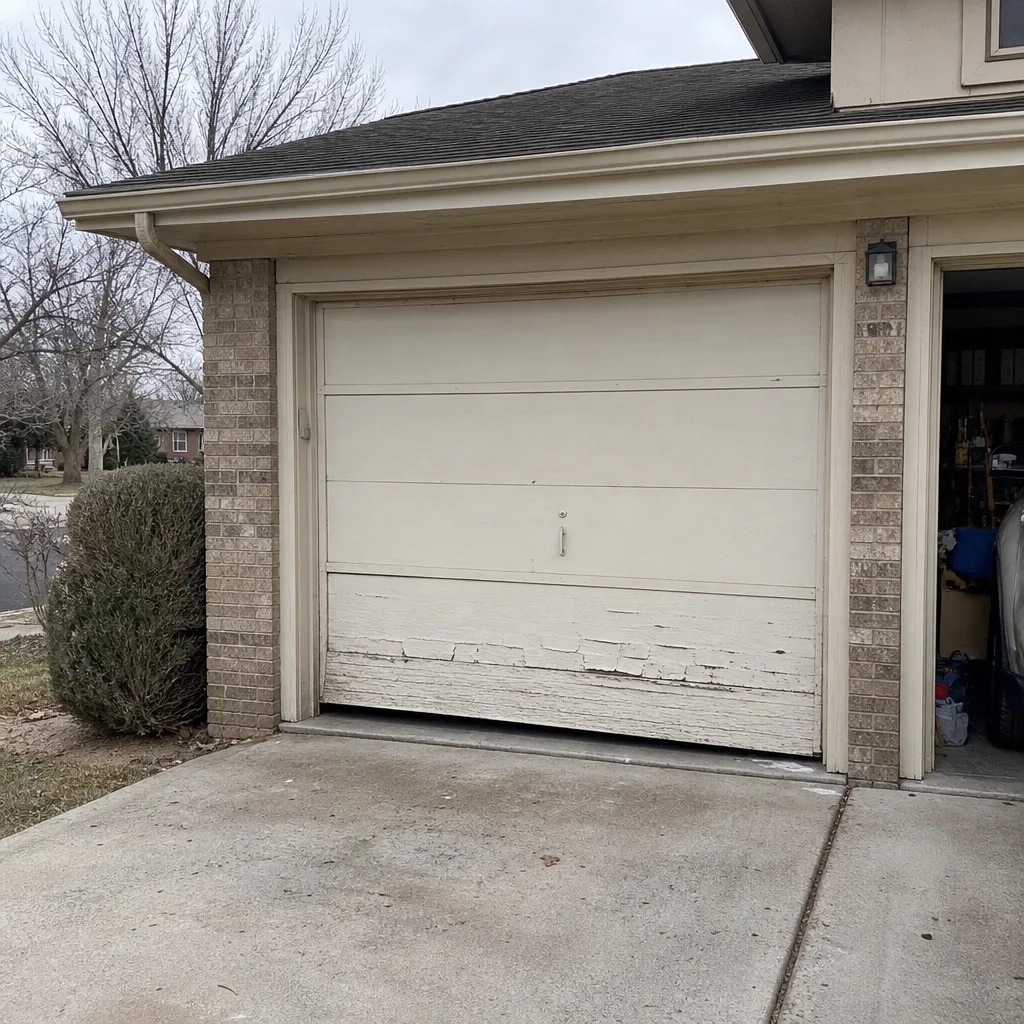
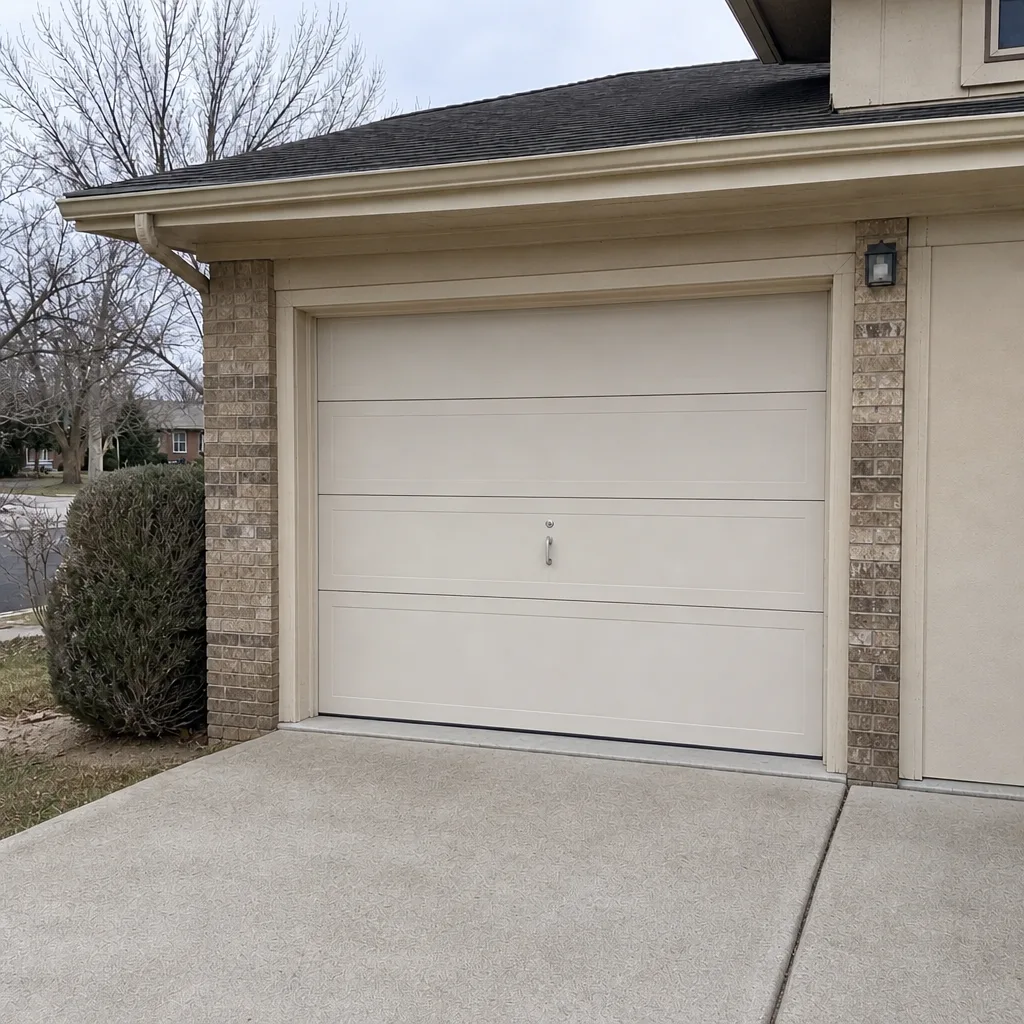
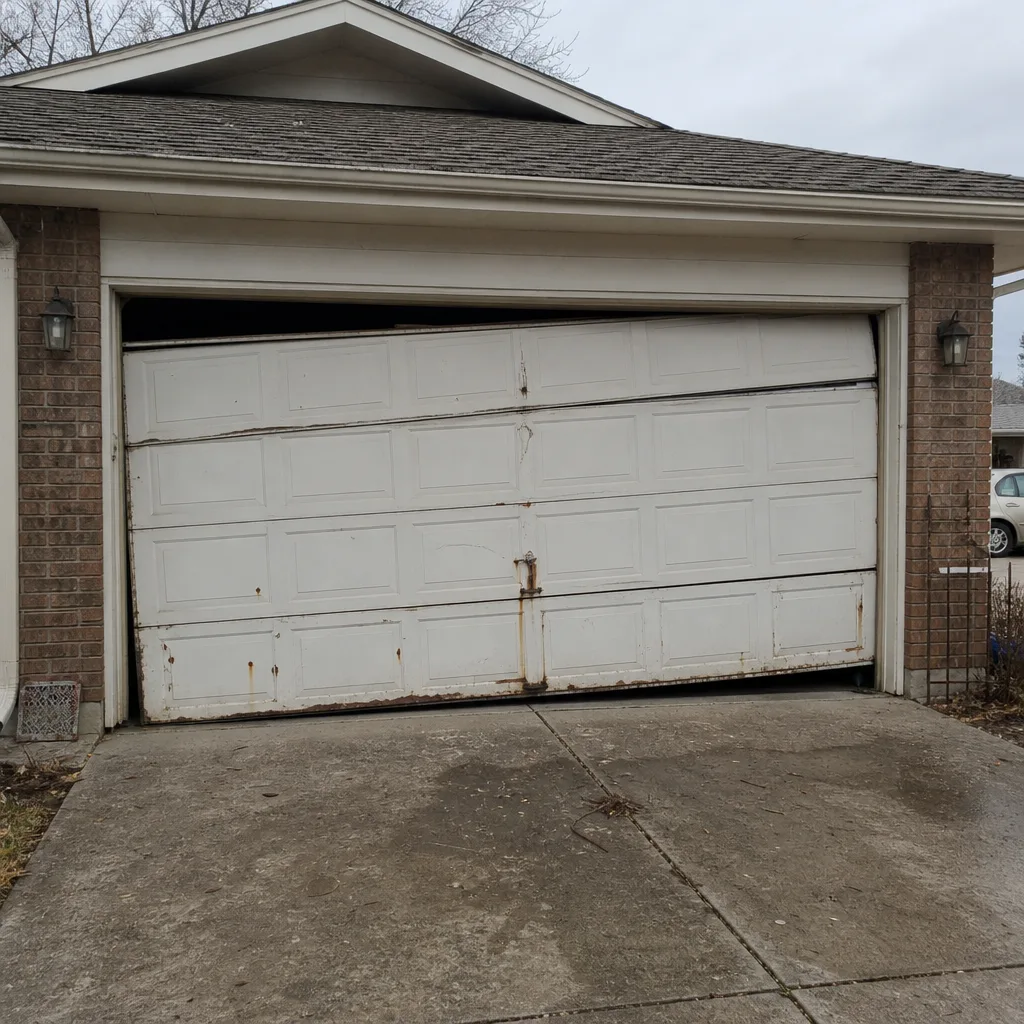
See the difference
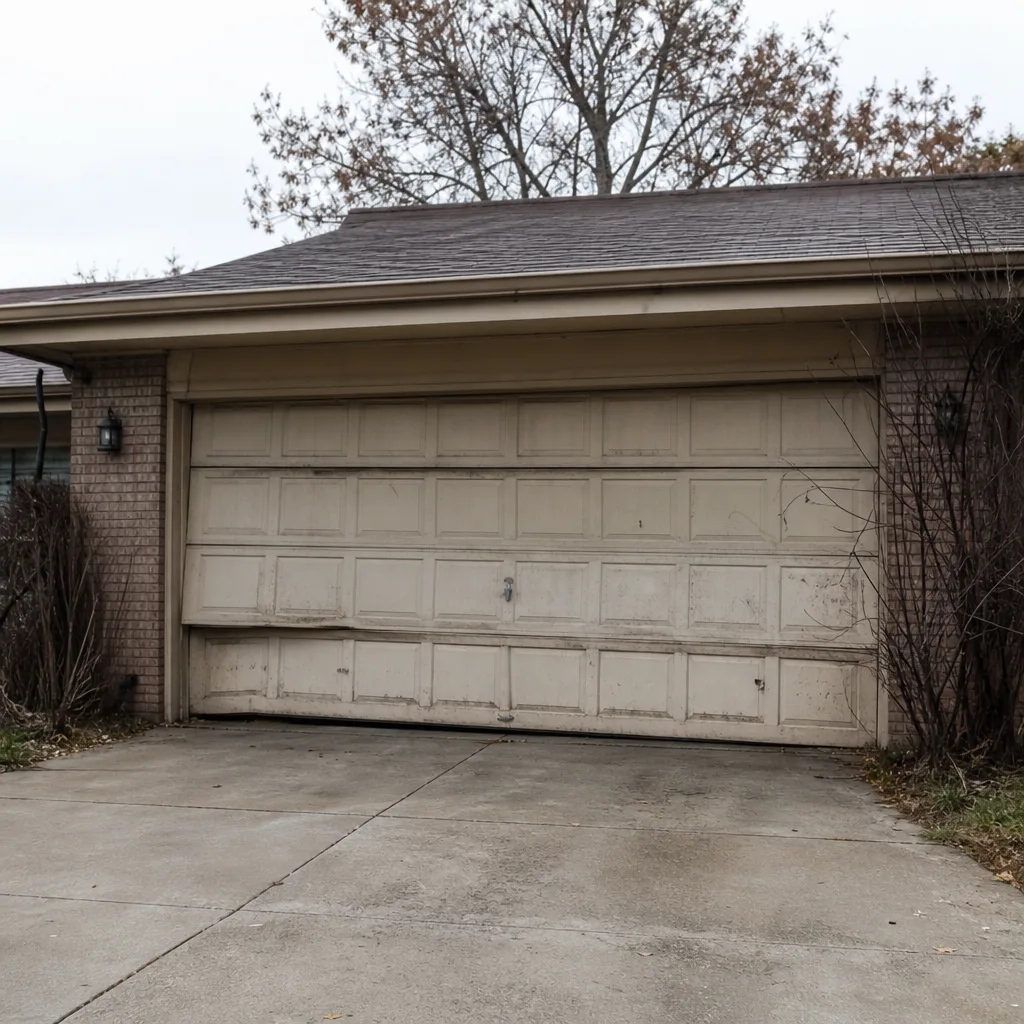 Before
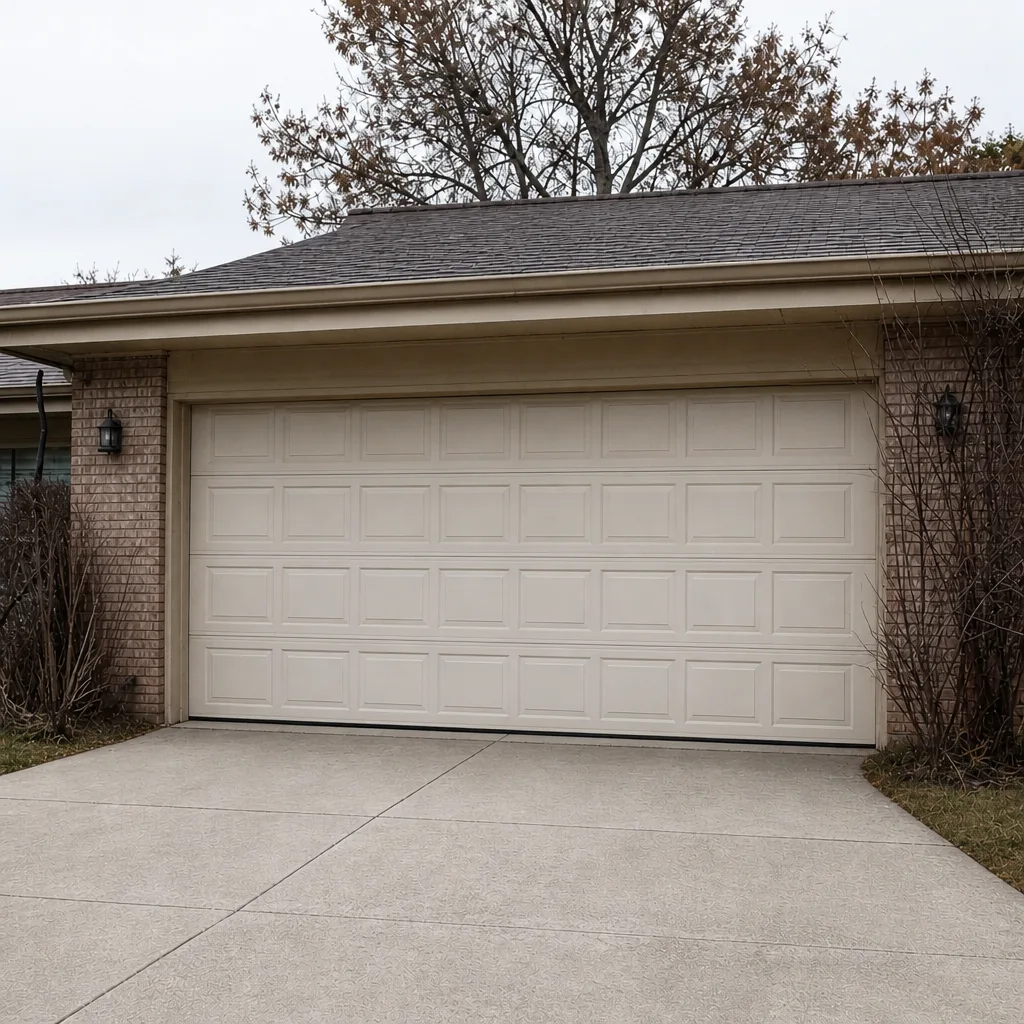 After
 Before
 After
 Before
 After
When to Call a Professional
Call a professional the moment your door involves a broken spring, a snapped or frayed cable, a bent track, or a door panel that’s out of alignment. Call us if the door reverses unexpectedly mid-cycle, if the opener runs but the door doesn’t move, or if the door won’t close flush to the slab. Call us if your opener is more than a few years old and the door feels heavy by hand, since that usually points to a spring problem the opener is masking. And call us before you touch a spring or a cable that’s visibly worn. Garage Door Repair Heather Gardens offers free estimates in Heather Gardens, so call (833) 958-8653 to get eyes on the door before the small problem becomes a large one.
Frequently Asked Questions
No. A torsion spring stores roughly 100 foot-pounds of torque, and without the correct winding bars and technique the spring can release across your arms or torso. Spring repair is the single most dangerous task on a garage door, and it should always go to a trained technician. Our spring repair is a core service for that reason.
Sensor alignment, remote programming, lubrication, panel painting, and visual inspection are all safe for a careful homeowner. These tasks involve no stored spring energy and no load-bearing hardware. If the door reverses on its own or the remote stops working, check the sensors and pairing before you call.
It’s worth it only if you’re replacing a same-brand opener on a door that’s already in balance and you have an existing ceiling outlet. If you need new wiring, a different rail style, or a new mounting bracket, the savings usually disappear. An out-of-balance door needs the spring looked at before the opener goes on, and that’s a professional call.
It can. Most residential door warranties require professional installation by a qualified technician, and a claim on a door or opener installed without documentation can be denied. Keep a receipt with the model number and install date from the installer. Homeowners in Heather Gardens should also check their HOA’s design standards before ordering a door.
It depends on the part and the door size. Sensor and remote service is a small call, opener repair varies by opener type, and a single torsion spring replacement is priced per spring. A matched pair is usually replaced together, so a pair costs about twice the single-spring price. The written estimate sets the final price, and it’s agreed before any work starts. Call (833) 958-8653 for an exact quote; estimates are free.
Stop, leave the door where it is, pull the red release cord to disconnect the opener, and call a professional. Don’t force a door with a broken spring or cable, since it can bend a panel or crack a hinge. Take a photo of the problem and keep kids and vehicles clear of the door until a technician has looked at it. Call us at (833) 958-8653 and we’ll get the diagnosis started.
The Bottom Line
The DIY decision on a garage door comes down to stored energy and weight load. Sensors, remotes, lubrication, and painting are safe to handle yourself, and doing so saves a service call. Springs, cables, and track alignment are off limits because they can release energy without warning, and that’s a professional call no matter how careful you are. Opener swaps are the one middle zone, but only when the door is in balance and the wiring is already in place. Every price on a professional call is quoted and agreed before work starts, so there’s no invoice surprise. Call us at (833) 958-8653 for a free estimate.
Written by the team at Garage Door Repair Heather Gardens.